Up next
0 Views · 23/09/08
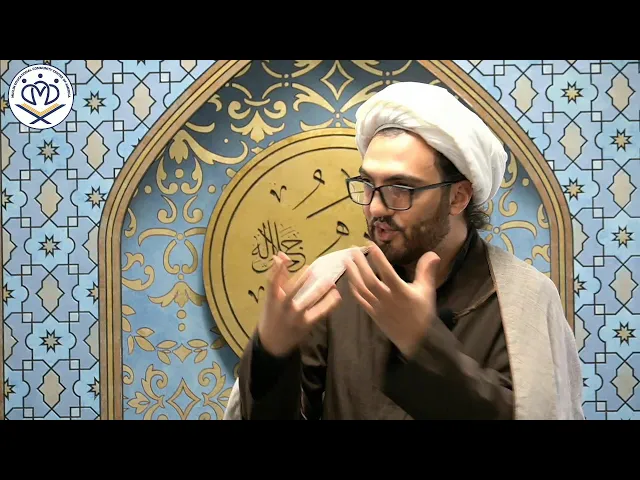
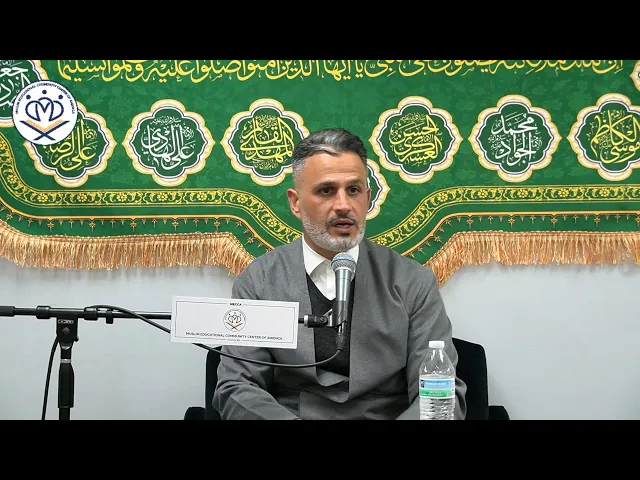
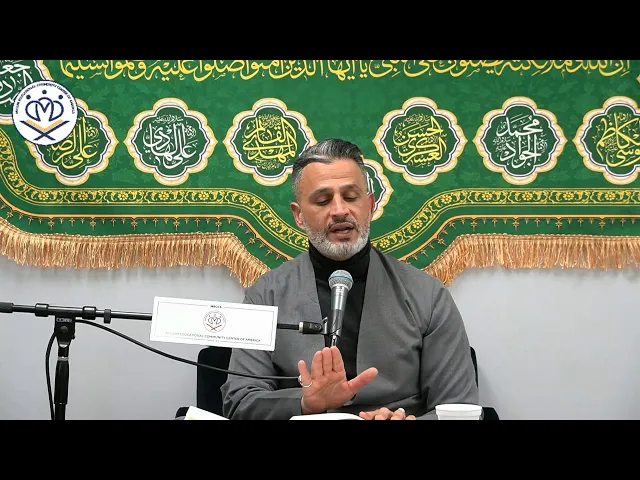
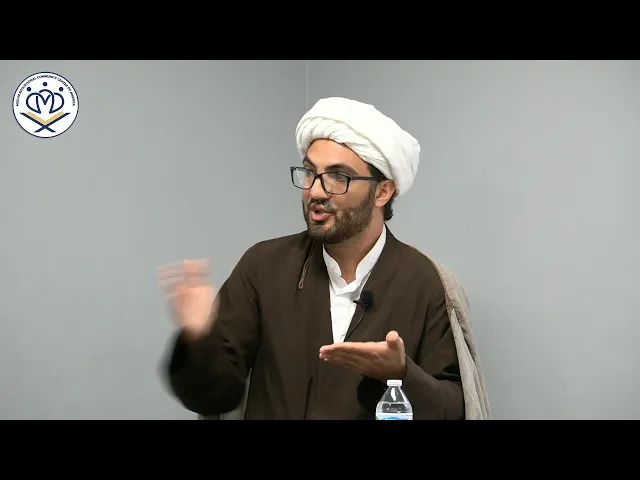
15- Dhul Qarnayn, Part 4 - Sheikh Wael Alzein
0
0
1 Views·
24/03/26

In
Lectures
Show more
Transcript
[0:28]e e e e e e e e e e e [Music]
[5:58]am [Music] [Music] [Music] for [Music] [Music] for [Music] [Music] alhamdulillah [Music]
[7:28]alhamdulillah [Music] [Music] alhamd [Music] for [Music] [Music] alhamd [Music] ald [Music]
[9:21][Music] alhamd alhamd [Music] [Music] ald [Music] ald [Music] [Music] ald [Music]
[11:14][Music] [Music] m [Music] [Music] for [Music] [Applause] [Music] [Music] all [Music]
[12:44][Music] Muhammed [Music] Ali Muhammad [Applause] [Music] [Music] muham [Music] for [Music]
[14:07][Music] [Music] for [Music] [Music] [Music] for [Music] for [Music] [Music] for
[16:00][Music] [Music] [Music] for [Music] [Music] for [Music] for [Music] for [Music]
[18:27]Sala thank you say jazari for the beautiful recitation of du and
[18:45]thank you everyone and welcome to um another night of Ramadan Mecca's
[18:49]nightly Ramadan program may Allah accept all of your deeds andal and
[18:55]uh your prayers um month of Ramadan is not only recharges us
[19:02]our spiritual Spirit but also recharges our bodies uh because we tend
[19:06]to stop you know eating during the day and then at night
[19:09]we even though sometimes we indulge but alhamdulillah it helps rebuild for
[19:13]for the next day and uh we tend to burn that off
[19:18]the next day um I wanted to remind everyone I know um
[19:21]Whoever has been hearing this um about the nightly sponsorship um please
[19:27]continue to support us for those that have supported us uh the
[19:32]nightly program thank you very much may Allah bless you and your
[19:34]families and for the ones who have not please see brother Hassan
[19:40]or um other um members of Mecca members um community members to
[19:43]uh be able to do the sponsorships inshallah we only have few
[19:47]spots left so please secure your spot uh for a inshallah and
[19:53]um just few reminders um if you could please keep um like
[19:59]your cell phones on silent mute to uh not disturb the speaker
[20:03]um and also after the program try to pick up your stuff
[20:06]you know around you your water bottles your you know help as
[20:10]much as possible may Allah bless you and your family for everything
[20:12]that you do um and then I wanted to um I know
[20:17]this is the last night for our dear sheh W so I
[20:21]would like to uh on behalf of Mecca Mecca's board of directors
[20:23]on behalf of Mecca Community I would like to sincerely thank him
[20:27]for his grateful and exceptional contribution to this year's Mecca's Ramadan program
[20:34]um the engaging manner in which he presented and conveyed the Islamic
[20:41]and historical aspects of um of of uh not only Islam but
[20:45]also other um historical aspects that relate to um to Islam have
[20:51]been very um have had lasting impression on all of us whether
[20:55]we were present whether uh we were listening to it the next
[20:57]day uh we whether we were listening to it online um I
[21:02]definitely would like to thank him and inshallah we would like to
[21:04]definitely have more of um him be present in meca and provide
[21:09]us with more of his insight and knowledge inshah Muhammad Muhammad so
[21:18]I kept the last The Best For Last which are the announcements
[21:23]um so myself I get always get the announcements from WhatsApp or
[21:28]from Instagram so these are the best sources for you to be
[21:31]able to get all the announcements and be up up to date
[21:34]with um all of the announcements that we make every night um
[21:37]so the first one that I have is the Quran competition please
[21:40]don't forget to sign up there's more information on our Instagram and
[21:45]uh if you have if you haven't seen the flyer just go
[21:47]on the Instagram page for Mecca Mi and you should be able
[21:51]to see the Quran competition which we have three levels um there
[21:54]is a way for you to sign up and has to be
[21:58]um um completed uh in a specific time uh the second announcement
[22:01]that I have which is tomorrow it's a special event um not
[22:07]only because say will be back but also it's the birth of
[22:09]IM Hassam so please make sure you mark your calendars you're here
[22:15]present we will have um an asid we will have cakes goodie
[22:18]bags the whole nine yards so make sure you're here and you're
[22:23]present and bring your claps with you there's we're going to need
[22:25]going to need a lot of people clapping inallah for the M
[22:29]IM Al Hassan inah the more you Clap the more you get
[22:32]a inshallah um the third announcement that I have is on March
[22:40]27th we have two events going on there's the um toy drive
[22:43]so we still have the box in the back so we we're
[22:46]trying to fill that as much as possible with the toys which
[22:50]will uh will go to the people that that are in need
[22:52]the children that are in need for of the toys and the
[22:57]one that's at night on March 27 at 11:30 p.m.
[23:01]we will have for anyone that's 13 plus we will have burgers
[23:04]with say at Famous so that's uh 27th at 11:30 p.m.
[23:09]make sure you go there if you like burgers if not you
[23:14]can join um Sayad and eat some fries and the most important
[23:17]announcement is our community we only have two tables left so make
[23:24]sure you're the person that books that the last two tables um
[23:27]um after that we will be sold out uh that's the community
[23:33]of which is on April 5th uh the doors open at 7
[23:37]6:30 p.m.
[23:35]and uh there's more information on the community ofar to purchase tickets
[23:40]if you have purchased your ticket make sure you reach out to
[23:44]family friends who would like to join maybe you know you could
[23:46]invite them for AAR inshallah and you could get the the a
[23:50]andab of uh making them break their fast inshallah so without further
[23:55]um uh delay I would like to uh call on uh our
[24:04]beloved Sheen um to give us his last imp last um speech
[24:07]in for tonight again all the fun nights are going to start
[24:56]just after I leave eh fun night there Burger night that Subhan
[25:04]Allah seriously it's all after the she leaves right I see how
[25:15]it goes what's that well I don't know I guess I mean
[25:19]from my experience now I guess that it's true what you what
[25:23]Canadians say about Americans yeah sure that's what they all say just
[25:28]one more night oh trust me everything's going to start tomorrow and
[25:31]then come tomorrow night oh no we postponed it I'm just kidding
[25:38]I'm just kidding absolutely for the of yeah stay one more night
[26:20]oh really oh no thank you so much no honestly you guys
[26:26]have been awesome straight up but I brought back the Tupper words
[26:28]just a you know I brought back cuz I know that the
[26:32]dearest thing to a mother's heart even before her own children are
[26:34]the Tupper wees so I brought them back I tried to wash
[26:38]them as much as I can no worries I swear to God
[26:39]when I was a kid I think sometimes if I were to
[26:41]get lost in a park my mom would be like bring the
[26:45]Tupperware first okay just like my son it's okay the Tupper wees
[26:48]they're so important yeah I know I'm not angry with you you
[26:53]haven't seen angry yet buddy I'm just kidding I'm just kidding [Music]
[27:26]sallallah alai [Music] for to hasten the reappearance of our awaited IM
[28:04]our request we recite three salawat with the loudest of our voices
[28:25]respected brothers and sisters in Islam in the year 490 BC there
[28:35]was a battle that took place which basically changed the face of
[28:39]History the battle was considered one of the battles of the very
[28:42]long Greco Persian Wars and the battle took place in the town
[28:48]of marathon in Athens and what happened is that the Persian troops
[28:51]Le led by darus darus I first who was the Persian Emperor
[28:55]he sailed with his troops and they landed in the shore of
[29:01]the city of Marathon and thereupon the battle began between the Persian
[29:04]army and the Greeks in this regard and what happened is to
[29:07]make a very long story short is that the Greeks were able
[29:11]to defeat the Persian troops back to their ships one of the
[29:13]generals of the Greek army commanded one of the soldiers to run
[29:19]back to Athens so he can deliver to them the news of
[29:24]the victory of the Greek troops so what happened is that that
[29:27]Soldier ran back from Marathon the town of marathon two Athens covering
[29:31]a distance of 26 miles now many of you have heard of
[29:36]the race of the marathon in the Olympics and what happens is
[29:38]that you're supposed to cover a distance of what 26 miles when
[29:44]he arrived he stood on a hill and he yelled out Nike
[29:46]which means victory in the Greek language and thereupon you have the
[29:51]brand name the most famous brand name that you wear in sports
[29:56]is what Nike and then that very very famous brand name was
[29:58]what you wear is what you wear when you want to run
[30:02]a marathon which as we said is what you run in the
[30:03]Olympics so basically what I wanted from this is to shed the
[30:08]light on one important reality is that historical events are not only
[30:12]important to study and understand but in reality many historical events just
[30:16]like the likeness of the one that we just narrated right now
[30:19]they basically helped shape a lot of our practices and daily practices
[30:25]that we live in the modern days and many of them affect
[30:27]even our thinking because believe it or not if the Persians were
[30:29]only to be victorious in that war then now you and I
[30:34]would be speaking the Persian language just like we're speaking the most
[30:37]common language derived from the Latin language which is the Greek language
[30:41]in particular and many other cultural practices so basically history uh though
[30:47]historical events to be more specific they basically do help shape the
[30:51]way we live right now and the way we think many of
[30:53]the events that occur nowadays they do have a historical background so
[30:58]when you hear that Melody that is always repeated to get over
[31:01]it and stop looking into the past and only look into the
[31:06]future that's absolutely wrong because it is always important to study the
[31:09]past and if there's anything that we learned one of the main
[31:11]morals that we learned throughout this series that we began um from
[31:14]the first night of Shahar Ramadan is basically the fact that Allah
[31:19]subhana wa tala requires from us to reflect back on historical events
[31:22]and learn moreal lessons from them the story that we began and
[31:25]this the tonight will be the final chapter of that story which
[31:30]is the story of after we covered the story of the companions
[31:32]of the cave and the story of m al The Last Story
[31:37]mentioned in Surah the cave is the story of and we covered
[31:39]the two main journeys of in the previous nights we said that
[31:44]traveled to the west where the sun sets and then he traveled
[31:46]to the East and in the East he was confronted with a
[31:51]nation that suffered from poverty that they could not know how to
[31:54]even dress or even build homes according to many different op opin
[31:58]of the commentators of the Holy Quran and thereupon Allah subhana wa
[32:01]tala sheds the light on the importance of that had the ability
[32:07]and was provided with the means in order for him to resolve
[32:10]such issues that the main reason of him conquering these areas is
[32:17]to resolve these issues and to spreaded and the religion of Islam
[32:21]in this regard and thereupon we we learn from this is what
[32:23]is that as a person like granted power from Allah subhana used
[32:29]this power to be subservient to the will of Allah subhanahu wa
[32:34]tala and thereupon the Quran kept on repeating in every stage of
[32:38]the journeys of then he directed another means there's a focus in
[32:46]the Holy Quran of was was uh basically insisting on always using
[32:52]the means that Allah subhanahu wa tala provided him with and thereupon
[32:55]after he left the nation in in the east then he directed
[33:00]to a different direction the Quran doesn't tell us exactly where it
[33:03]is yet we will understand throughout tonight's lecture inshallah that where was
[33:10]the location where had to confront Y and Ma in this regard
[33:13]or where he arrived where there's a people suffering from the facade
[33:17]suffering from the corruption that was spread by Y and Ma and
[33:21]what I would like to do tonight is to further dissect this
[33:23]topic inshallah depending on the following points the first one let's examine
[33:28]the third journey of the mentioned in Surah the cave and the
[33:31]second one who was the what is the identity of the because
[33:37]it's been a topic of dispute amongst historians and commentators of the
[33:42]Holy Quran and the third Point Let's shed theight on some of
[33:46]the morals that we could learn from the story of the and
[33:51]the fourth and final Point as we made it uh basically a
[33:53]trend in this series is that what is the relation between the
[33:58]story of and and before I proceed I would like you to
[34:04]provide me with a loud salwat we got to the point we
[34:13]got to the verse that says and we were fully aware of
[34:22]whatever means he had so when met with the people that did
[34:24]not even know or did not even have a um any type
[34:27]of dress or any type of shade so it can protect him
[34:32]from the sunlight Allah subhanahu wa tala says meaning the Quran did
[34:37]not tell us exactly how resolve their issue but in reality he
[34:42]said that since that since that we have provided him with the
[34:46]means to act upon Allah's will then solve their issue so basically
[34:49]if we were to reflect back on the two journeys of the
[34:53]the first one it is he was he was met with people
[34:58]that suffered from ignorance is that they had Jal they did not
[35:00]understand the concept of the Oneness of Allah subhanahu wa taala they
[35:02]did not have religiosity sure they might be advanced in other means
[35:07]but in reality they were not connected to a divine revelation hence
[35:10]made sure to spread that and resolve the issue of what of
[35:13]J the second issue since the since those people did not know
[35:18]how to build homes or even did not know how to dress
[35:20]that that means that they suffered from the issue of what of
[35:25]poverty and thereon resolved that issue in this regard and then the
[35:29]final destination of the as mentioned in Surah the cave as we
[35:31]don't know how many other Journeys that embark on in fact the
[35:37]Quran did not tell us one thing to keep in mind is
[35:38]that we said that the reason of the revelation of the verse
[35:42]were the Jewish rabbis and the Christian priests that gave such questions
[35:45]to the mus of qur so they can test the prophet sallallahu
[35:47]alaihi wasallam in this regard yet in reality if we were to
[35:53]focus on the Hadith the Jews or the Jewish rabbis that gave
[35:55]the questions to the musri of quray did not tell them about
[36:01]the third journey of in reality they told them about asked the
[36:04]prophet about a man who conquered the west and the East there
[36:06]was absolutely no mention on from their end about the Journey of
[36:13]where he traveled between the two mountains so it's as if they
[36:17]wanted to know more information about the and this is what we
[36:20]will shed the light upon inallah within the points that we will
[36:25]mention in this lecture so what we say what we see here
[36:27]is that subahu wa tala after saying and we were fully aware
[36:35]of whatever means he had the Quran continues saying when he reached
[36:43]the place between the two barriers the Quran doesn't tell us exactly
[36:46]where so reached to a place where it is almost looks like
[36:52]it's between the two barriers there's a mountain Gorge here the commentators
[36:57]of the Holy Quran went into different opinions many of them their
[37:02]opinions were dependent on the identity of the so it could determine
[37:06]the geographical map of the Journey of the and this is inshallah
[37:09]what we'll know later on but the Quran tells us that what
[37:13]that he reached the place between the two barriers and it's as
[37:16]if that there was a mountain U or basically a chain of
[37:19]mountains that looks like a wall a very steep wall and in
[37:24]between there was only one passage that one can actually reach to
[37:27]the other side of the where they were present and then he
[37:34]says he found between them a people so in between those two
[37:41]mountains there were a people that lived there he found between them
[37:47]a people who could hardly hardly understand a word of his language
[37:51]you see the translation in English says of his language when in
[37:54]reality we look at the narrations we find that there were many
[37:59]suggestions in this regard meaning that what was their language that was
[38:03]so hard to be understood or even that they could not even
[38:06]understand the language of because from what we know is that when
[38:10]we look into the biography of many of the kings that conquered
[38:12]the world they would always travel with a group of translators that
[38:16]was a custom amongst the Kings some narrations suggest that the the
[38:21]translators of the could not even get to a point to understand
[38:25]their language that's one opinion another opinion says that the only way
[38:29]he was able to communicate with them is through sign language yet
[38:31]it is not a very strong proof in this regard because what
[38:34]we will see what will happen is that they communicated and they
[38:39]were able to achieve certain tasks as a request what they requested
[38:43]from notice on what the Quran says and focus very well says
[38:48]would could uh um sorry he found between them a people who
[38:54]could hardly understand a word of his language so they could not
[38:58]understand anything but then the Quran after this verse says what says
[39:03]they said see the question is that if they could not understand
[39:07]the language then how is it that the Quran says what they
[39:09]said meaning that they were able to speak because some of the
[39:14]narration suggest what that even their language was so primitive to the
[39:17]point that they would make uh noises the way they would communicate
[39:20]is through sounds and noises of the animals but again that is
[39:26]not a strong proof see by the way keep in mind despite
[39:28]the fact that the whole story of there are so many question
[39:33]marks that are still unanswered until nowadays yet when it comes to
[39:36]the story of and Ma and in particular there are many questions
[39:39]that are still unanswered and still uncovered and I think that's the
[39:44]miracle of the Holy Quran Allah subhanahu wa ta'ala wants wants to
[39:47]motivate our thinking and our intellect and to keep on researching and
[39:50]believe it or not many of the secrets of the Holy Quran
[39:53]were only uncovered a lot later yet we said that the main
[39:58]point is to learn the morals of those stories hence Allah subhana
[40:00]T kept it open for us to research and learn more so
[40:05]we can reflect on the Holy Quran so they said they said
[40:13]Gog and Magog are indeed causing disaster in this land and this
[40:20]was the first time that the word Gog and Magog was mentioned
[40:22]in the Holy Quran we said that these three stories were not
[40:24]mentioned in any other chapter in the Holy Quran to begin with
[40:28]let alone go and Magog there's another time that Allah subhana T
[40:31]mentions go and Magog and that's in Surah Al the Surah of
[40:36]the prophets where Allah says and one Gog and Magog shall be
[40:40]opened that's a different other explanation that would require says requires many
[40:46]Knights to even dissect upon because it's such an interesting verse in
[40:50]relation to the story of Gogan Magog so Allah subhana T mentions
[40:55]them both twice in the Holy Quran and they are related to
[40:58]each other he says they say and MOG are indeed causing disaster
[41:06]in this land so basically what we understand from here is what
[41:11]is that those people lived between the two mountains behind those two
[41:16]mountains through that passage there were two tribes that were known to
[41:21]were known under the name of Gog and Magog and they would
[41:24]attack them why because they said that they're causing corrupt they're causing
[41:28]disaster on this land one of the commentators of the Holy Quran
[41:32]understands from this is what he says that the fact that they
[41:37]were complaining about Gog and MOG meaning that they would um they
[41:40]would just launch certain attacks on them but not only this is
[41:42]that they were bringing a new different culture and that culture was
[41:49]being spread amongst their tribes that does not match their principles and
[41:55]values and therefore the Quran refers to it as what corruption disaster
[41:59]the concept of facade if we were to open the Holy Quran
[42:02]every time Allah subhana T speaks about the concept of facad he
[42:07]doesn't speak on uh about it only on only on a militarily
[42:09]p perspective yet even in terms of thought as to spread corruption
[42:13]sometimes you would find that every colonial power when they want to
[42:18]spread corruption they don't only do it through the weapons isn't it
[42:21]and if you were to look back at the history of many
[42:24]of the colonial powers that did conquer other countries you would notice
[42:28]that they were they were always keen on spreading their own culture
[42:31]let alone their own language and therefore they said what Gog and
[42:35]Magog are indeed causing disaster in this land they complain to and
[42:39]then the Quran continues saying what shall we pay you a tribute
[42:47]so they offered money which tells me what which tells me that
[42:49]basically they weren't suffering from the issue of money there were people
[42:53]who were financially stable so they had money but they did not
[42:59]have the means to be able to confront those attacks isn't it
[43:03]so basically they said shall we pay you a tribute on condition
[43:10]that you build a barrier between them and us so basically that
[43:14]passage in between the two mountains we want you to build a
[43:21]barrier a wall that prevents them from attacking us which tells me
[43:24]also what which tells me not only they did have money not
[43:27]only only they didn't have the means to confront Gog and MOG
[43:30]is that it's almost as if they were not trained well enough
[43:33]to fight them back or even to defeat them so what they
[43:38]requested from is not to fight them off like basically when they
[43:41]looked at the abilities that has no no wonder they asked them
[43:46]to build a wall a barrier because they were able to realize
[43:48]that the has special abilities right so but what they asked is
[43:54]to build the wall not even to fight them not even to
[43:55]confront them now here it's again another question mark is that was
[44:01]there a battle between the army of and go Magog or no
[44:02]was he able to defeat them because if he wasn't how was
[44:06]he able to build a wall right in front of their eyes
[44:08]without them reacting in any way but that's also a question mark
[44:13]left that is unanswered unfortunately until this day on the other hand
[44:17]what they did is that they wanted to build a wall to
[44:18]just block that passage where Gog and MOG were entering from and
[44:27]then they said in a condition that you build a barrier between
[44:32]them and us and that's what they requested the here the question
[44:38]is is that who were Y and Ma if we look briefly
[44:40]the majority of the opinions come to a conclusion that Gog and
[44:47]MOG were none but the tribes of Mongolia and if we were
[44:50]to look into the history of the tribes of Mongolia we noticed
[44:53]that they were ruthless Fighters for example many of you have heard
[44:59]about Jenis Khan which is also The Descendant arguably according to this
[45:02]theory of Gog and MOG before Jenis Khan there was a leader
[45:05]there was a general by the name of atella atella was one
[45:10]of the Mongolian leaders who actually was able to revolt against the
[45:14]Roman Empire and even defeat the Roman Empire with all its greatness
[45:17]so they were ruthless Fighters they had a different custom they had
[45:20]a certain way certain strategic way of fighting and therefore they were
[45:23]considered undefeated and of course if you look back into the Islamic
[45:29]history you would notice what type of corruption that they had caused
[45:32]to the Islamic empire even when they entered Bagdad and so forth
[45:35]attacking the Ottoman Empire on the other hand we come to a
[45:40]conclusion that they were none but the Mongolian tribes because if we
[45:43]look into the geographical map of the Journey of the it is
[45:46]almost as if the Quran wants us to understand that he landed
[45:50]in none but the more in modern day what is known as
[45:52]Georgia basically the Georgia and then he they continue they say that
[45:59]we would like you to build a barrier between them and us
[46:02]here replied back by saying what he said what my Lord has
[46:12]furnished me furnished me is better meaning the means that Allah subh
[46:15]provided me with are better meaning what meaning I don't want your
[46:18]money and that's even on a side note and that's a very
[46:23]important lesson to understand is that had enough and sometimes it's important
[46:26]to be content with what Allah provides you in terms of and
[46:31]not always be hungry for more therefore said what he said no
[46:33]I don't need your money and if you look back into the
[46:36]biography of the major majority of the messengers and the prophets not
[46:39]one of them asked for a reward in return Isn't it you
[46:43]find that Allah subhana repeatedly in the Holy Quran they say I
[46:48]do not ask you for a reward back meaning I will preach
[46:52]to you I will fix your Society but I won't ask you
[46:55]for a reward back on a side note except for the prophet
[46:58]when he said what to his people is that I ask you
[47:05]for not I do not ask you for a reward and return
[47:07]except ma honoring what Al my household so he's the only Prophet
[47:13]that asked for reward back and that reward was literally to honor
[47:17]and love his household so therefore Allah said what what my Lord
[47:21]has furnished me is better meaning I already I already have all
[47:25]the means for my Lord I do not need your money yet
[47:34]help me with some power and I will make a bulwark meaning
[47:40]as that you guys ask for a barrier I will build a
[47:45]wall meaning something even stronger and higher than a barrier and then
[47:49]he said what yet help me with some power and this teaches
[47:51]us a lesson that when you are preaching to a people or
[47:56]when you are saving a people people it is important to involve
[47:59]them in the work to learn how to solve their own issues
[48:03]isn't it you find that it is important that that's why you
[48:08]find that the b or even the imams or even the um
[48:11]trend of the prophets and The Messengers is to always rise with
[48:14]the community and not let them understand that everything shall happen through
[48:18]a miracle isn't it and inshallah we'll understand that better and we'll
[48:22]dissect it more when it comes to the morals of the story
[48:26]so he said what yet help me with some power I need
[48:28]to involve you I want you to be involved in solving your
[48:32]own issue so yet help me with some power and I will
[48:35]make a bulwark between you and them and then here the Quran
[48:41]explains to us some details of how did he Build That Wall
[48:43]and that is indeed miraculous with many scientific proofs in it first
[48:52]thing he says bring me pieces of iron so basically what they
[48:55]asked for was a barrier the with his knowledge that was given
[49:01]from Allah subhanahu wa taala notice that the best type of barrier
[49:05]to BU build is the one that is made from none but
[49:10]iron here if we were to look at the focus on the
[49:11]word Al Hadid let's go to Surah Al there Surah in the
[49:18]Holy Quran named Surah the iron verse number 25 Allah subhana says
[49:25]what certainly we sent our Apostles with clear proofs and we sent
[49:36]down with them the book and the balance so that man mankind
[49:43]can May maintain Justice we sent down iron I'm sure many of
[49:48]you study science is that iron is an element that is not
[49:54]available on Earth yet it is literally sent down from the skies
[49:58]and we send down iron in which there is great might and
[50:03]uses for mankind for mankind so basically what Allah is telling me
[50:08]is that the first thing we sent down the prophets and what
[50:10]we did is that we set with them the book and to
[50:14]maintain a balance a system that serves the people only the Believers
[50:19]but in some cases there are people that would be considered Outlaws
[50:22]there are people that would refuse that justice system and therefore he
[50:26]said what so we supported them with power with force and we
[50:29]focused on that notion in the previous lectures is that the importance
[50:32]of force here Force here says what so the first thing that
[50:39]I need to understand is that the wall was built from Iron
[50:42]so bring me pieces of iron there's a question mark here is
[50:47]that when he said bring me pieces of iron does that mean
[50:50]that he provided them with the iron or no does that mean
[50:54]that the land that they lived in was rich with iron if
[50:56]we were to look at the map one suggestion on a side
[51:01]notes says that it's literally that barrier that separates um almost Russia
[51:08]from the other side which might be Geor Georgia why because the
[51:12]barrier until now the remains of that barrier was found in the
[51:14]Caspian Sea isn't it so if we were to think about it
[51:19]and Russia is considered that the third largest country in the world
[51:22]with iron Reserve so was it that he provided them with the
[51:27]iron or no was it was he teaching them that you do
[51:29]have elements you do have certain treasures and riches in your own
[51:34]land that you could use and I shall teach you how to
[51:36]use them so going back to the Ayah he said bring me
[51:40]uh sorry bring me pieces of iron and then he says what
[51:47]and when had when he had leveled up between the flanks the
[51:52]S the flanks meaning what the size of the mountain there was
[51:55]a passage I want you to Imagine This that there's a passage
[51:57]between those two mountains and that was the only passage that the
[52:02]Gog and MOG were able to enter from and attack them so
[52:05]what he did is that he leveled between the two flanks right
[52:10]he shut down the passage completely with what with iron and then
[52:15]he said he said blow you see here there's many suggestions is
[52:21]that how were they able to blow regardless of the fact how
[52:26]was he able to BU to build such a wall I mean
[52:27]was did he have a certain type of advanced tools to be
[52:32]able to build a wall so high with iron not even with
[52:35]wood with iron and then be able to stack those pieces those
[52:40]blocks of iron on top of each other to the point that
[52:45]the narration say that there was absolutely no room for even the
[52:49]air to enter in between like totally blocked between the two flanks
[52:52]but then when he did he said he said blow meaning what
[52:58]blow on the iron with fire so the iron can melt and
[53:00]it can turn so red right and it can um which is
[53:05]basically the process of welding you know in the process of welding
[53:07]what they do is that they blow on the iron with fire
[53:10]so that's what he did and then he said what he said
[53:15]blow again do you realize the quranic expression of always involving that
[53:20]community in what he is accomplishing for them it's very important to
[53:25]understand that and then he said when he had turned it into
[53:31]fire right he didn't stop there he said after it turned into
[53:41]fire he said bring me molten copper to pour over it see
[53:46]again had this knowledge from Allah subhanahu wa ta'ala that the best
[53:53]way to weld iron on top of each other and to keep
[53:56]it intact is to bring the solved copper and then pour it
[54:01]over it and believe it or not that's a scientific reality is
[54:04]that nowadays if you really want to strengthen iron what do you
[54:10]do is that you pour on top of it dissolved copper and
[54:12]that's what he did so basically he taught them a method on
[54:17]how to build the wall rather than just building the wall for
[54:19]them and that's a clear lesson for us but sometimes it it
[54:22]is important to teach someone the tricks of the trade rather than
[54:28]just offer offering them help all the time you realize the famous
[54:31]expression don't feed me fish all the time yet teach me how
[54:35]to fish isn't it so basically he was just teaching them a
[54:38]why because you see the wasn't going to settle in their land
[54:42]he's going to leave them and go back to what we will
[54:46]find out is Persia inshallah right and therefore he wanted to teach
[54:49]them how to always confront in case something happens he taught them
[54:53]the technology on how to protect themselves and this is the difference
[54:57]between being granted power from Allah and between colonialism isn't it is
[55:05]that you find is that the justification of colonialism is to what
[55:10]to liberate people yes to civilize people in fact um there's a
[55:13]really interesting theory in this regard it's called the white man burden
[55:16]think it's written by William C the very one that wrote the
[55:20]cute book that we read it's called The Jungle Book isn't it
[55:22]the story of MGI right if you were to focus on the
[55:26]story of MGI by the way and it is it clearly indicates
[55:30]the notion of colonialism by the way it has nothing to do
[55:32]with mowgly being that cute boy that was raised amongst wolves has
[55:34]nothing to do with that in this Theory the white man burden
[55:40]He suggests that a white man is naturally born with a burden
[55:44]upon himself which is what the burden of having being forced to
[55:47]colonize other nations that are uncivilized and civilize them isn't it so
[55:53]basically teaching people how to eat Quant isn't it Subhan Allah nevertheless
[55:56]before we get step into another topic but that's the difference between
[55:59]colonialism and being granted power from Allah subhana wa tala taught people
[56:06]the technology that they need to survive and defend themselves colonialism no
[56:12]you colonize a certain nation under that justification of what civilizing them
[56:16]and then you loot their riches you implement your own culture and
[56:22]language but you give them a visa to your country you say
[56:25]you can have a Visa right now Desmond Tutu Desmond Tutu is
[56:31]a the Archbishop of Cape Town in South Africa said something genius
[56:34]one time he said when the white man came to Africa we
[56:38]had the land and he had the book The Bible and then
[56:40]the white man told us to close our eyes and Trust in
[56:43]the book of God which is the Bible so we closed our
[56:47]eyes but then when we opened our eyes we realized that we
[56:50]have the book and he has the land interesting Subhan Allah what
[56:53]is it that they find in our countries that they convince us
[56:57]that we cannot live there absolutely not so uncivilized to live there
[57:01]then Subhan Allah they go there what do they find there that
[57:03]we cannot find nevertheless you find that this is the difference between
[57:06]being granted power from Allah was granted power from Allah subhah wa
[57:11]tala and therefore Every Act of conquering he did did not include
[57:18]one act of Oppression yet is even documented in the history books
[57:20]even by his own enemies which were the Greeks believe it or
[57:23]not many Greek historians Greek historians when they documented the life of
[57:27]they said that he was a just ruler who was the first
[57:33]to write the Bill of Rights um in the modern world nevertheless
[57:37]you find here he said what he said bring me molten copper
[57:44]to pour over it and then the Quran continues by saying what
[57:48]so they could not make a hole in it sorry so they
[57:53]could neither scale it they could not even climb over it go
[57:58]and MOG could not even climb over it so they can keep
[58:01]on attacking them nor could they make a hole in it the
[58:05]final verse say here says here what and then he said he
[58:12]said this is a gift of Mercy from my Lord so after
[58:19]accomplishing such a task the does not attribute that t to himself
[58:21]what does he say said this is a mercy from my Lord
[58:25]if you you do remember the series that we've been dissecting since
[58:29]the first day of Shah Ramadan how many times the notion of
[58:32]rahma was mentioned in the Holy Quran in Surah the cave in
[58:38]the story of the companions of the cave oh Allah grant us
[58:47]from you right and guide us on our matter in the story
[58:52]of Allah subh describes Al by saying what is that he was
[59:02]given we gave him we granted a mercy from us and then
[59:07]we taught him a knowledge from us here ends his final journey
[59:11]by saying what this is none but a mercy from my Lord
[59:15]this is a gift a mercy from my Lord what does this
[59:20]tell me that the notion of rahma does not consist only from
[59:22]for meaning that every time we think about Rah is it is
[59:27]only that Allah subh repents that we repent to Allah subh that
[59:30]he can forgive us our sins but in reality rahma can enccompass
[59:33]a lot of things such as what such as a knowledge from
[59:37]Allah subh that could be what a as long as it's used
[59:42]in the proper way as long as it's directed in the proper
[59:44]direction then it is considered what a from Allah subhana wa taala
[59:47]power from Allah subhana wa ta'ala even a military power from Allah
[59:54]subhana tala being able to accomplish tasks having the means from Allah
[59:58]is considered what from Allah subh and that's why he said what
[60:02]he said this is a gift of Mercy from my Lord and
[60:06]then he continues by saying what but when the promise of my
[60:18]Lord is fulfilled he will level it and my Lord's promise is
[60:23]true this arguably speaking if I think this is one of the
[60:27]most verses in the Holy Quran that the commentators of the Holy
[60:33]Quran were not able to come to a conclusion about what is
[60:35]the real meaning of it is because here is saying but when
[60:42]the promise of my Lord is fulfilled he will level it meaning
[60:45]that barrier that wall it will be leveled what is the promise
[60:51]of Allah is it that's something that no one was able to
[60:55]confirm another opinion is that no is it the promised day inshallah
[61:02]which in some narrations the interpretation is the day of no one
[61:08]knows some opinions suggest that that barrier was already leveled from ages
[61:12]ago from long time ago why because Gog and MOG were bracketed
[61:18]they were they were just behind that wall for years and therefore
[61:21]the Quran the verse afterward says what the day that day we
[61:28]will let them surge over one another meaning that we block them
[61:31]behind the wall and therefore it is almost the Quran telling me
[61:35]that it's as if there was a civil war amongst them they
[61:37]were fighting amongst them yet according to one of the she amran
[61:41]Hussein Allah lengthen his life one of um one of the shaks
[61:45]one of the very enlightened shakes from the our brother Sunni school
[61:48]of thought he comes and He suggests that the power that was
[61:51]possessed by Gog and MOG um was so vast and strong that
[61:57]those thought that the best way to block them is through building
[62:00]a wall but does that mean that those Gog and MOG were
[62:04]only the ones that existed during the times of the and therefore
[62:07]we would connect that to the opinion that suggests that Gog and
[62:10]MOG are none but the Mongolians but the descendants of those Mongolians
[62:15]or the descendants of whoever lived behind that wall some suggest that
[62:22]it was none but the Kazar tribes and we said earlier that
[62:26]the definition of the Kazar tribes are the Caucasians the caucuses right
[62:31]the CAU mountains so basically they might be those people have possessed
[62:36]so much power that one day they will even fight one another
[62:40]many opinions many question marks about those verses that are worthy to
[62:44]reflect upon no doubt and then he says what says the day
[62:50]we will let them surge over one another and here he uses
[62:55]the word y it comes from a it's almost like as if
[62:57]pictured them like the waves in the ocean now again some suggest
[63:05]that oh would that be the day of that um refers to
[63:08]but when the promise of my Lord is fulfilled this is something
[63:12]again has to be left for future reference inshallah maybe some of
[63:16]the commentaries of the Holy Quran or the historians would be able
[63:18]to solve this um dilemma that until this day they haven't came
[63:24]to an opinion about it and that was the end of the
[63:26]trips of the journeys of as mentioned in Surah the cave we
[63:31]come to a point is that then who was you see that's
[63:37]again was that again was a huge topic of dispute amongst scholars
[63:40]in the religion of Islam or even historians to begin with the
[63:47]first Theory suggests that was none but Alexander the Great the Alexander
[63:52]of Macedonia the Greeks love this theory is that why because many
[63:55]of the historians came and said when they looked at the Quran
[63:58]narrative they noticed they came to a conclusion that the only Emperor
[64:03]or the only Army leader that was able to conquer the majority
[64:06]of the world was none but Alexander the the great because Alexander
[64:08]the Great after the death death of his father he marched to
[64:13]Rome he conquered Rome he conquered the west then he went to
[64:15]Egypt and he built the famous city of Alexandria then he marched
[64:18]to Armenia then from Armenia to Iraq or the Babylonian Empire then
[64:24]to Persia he was able to defeat the Persians and then he
[64:27]went to China and India in India Alexander uh Was Defeated a
[64:33]very humiliating defeat now the Greeks don't like to to to to
[64:38]basically admit that they say that no in fact Alexander the Great
[64:40]became sick and he died some history um or some historical uh
[64:45]documentation suggest that no Alexander the Great was actually defeated in India
[64:50]and he was killed in one of the battles but then when
[64:53]we look into the history or the biography of Alexander the Great
[64:55]he did not build a wall he was not known to accomplish
[65:00]a task of building a wall built a wall so then that
[65:07]theory was refuted even though some still adopt this Theory and they
[65:10]said that just because it's not mentioned that Alexander the Great built
[65:13]the wall that doesn't mean it's not him but when we look
[65:16]into the attributes given to from the Holy Quran we realize many
[65:21]things you remember when we mentioned the attributes of the in the
[65:26]first lecture we did that for reason so you can keep this
[65:28]in your mind because then we're talking about a man who was
[65:32]mmin a man who was just a man who was principle than
[65:34]life a man who spread Justice on Earth rather than just conquering
[65:40]every place he went to a man that was known with his
[65:42]Justice more than he was known with his Wars that he fought
[65:47]so that theory unfortunately does not uh match the Quran narrative the
[65:52]second theory says what is that he is a king one of
[65:54]the kings of the kings of Yemen why they say because the
[65:59]word the name this was what the yemenese were known with the
[66:07]yanes were known with having such names for example yaan hasham for
[66:16]right meaning what meaning that since Allah subhana T refer to him
[66:20]as then he must have been from Yemen and then the other
[66:25]proof that they use is what is that wall the barrier of
[66:27]that is present in Yemen then it must be he is from
[66:34]Yemen and then in the year 1888 to be in particular a
[66:41]man from India his name was Abul Kalam a man from India
[66:48]he was actually basically after the independence of India he was considered
[66:52]the first minister of Education in India he was a researcher an
[66:57]Islamic thinker an activist a Muslim activist he wrote a research and
[67:06]concluding that was none but Cyrus the Great the Persian Emperor yes
[67:12]and he gives us proofs now many adopted the theory of Abul
[67:18]Kalam Zada many in fact even from the Sunni School of thoughts
[67:21]and the Shia School of thoughts say in his book many others
[67:27]they adopt the same Theory they come to a conclusion that it
[67:30]is Cyrus the Great why see he gives many proofs and I
[67:33]really urge you to go back and try to look into his
[67:38]research because it's so detailed but I chose a couple of proofs
[67:41]that he gives the first one is that the fact that the
[67:46]Jew Jewish rabbis were the ones who suggested to the mush of
[67:51]quray to ask Muhammad s alaih wasallam about the story of not
[67:56]neglecting that detail about him building the wall which means what which
[68:00]means we should look back into the books of the Jews and
[68:04]then try to find out find out that was he even mentioned
[68:06]in their own books right because we did say that the Arabs
[68:12]had an idea about D from who from the religious communities the
[68:15]Jews and the Christians when we look back into the books of
[68:20]the Jews we find that that Cyrus the Great is mentioned in
[68:23]the book of Isaiah and in other chapters in the be it
[68:27]in the Old Testament or the New Testament so he's mentioned in
[68:30]the book of Isaiah and he's referred to as the shepherd of
[68:35]God and then when he is described he's described it's as if
[68:39]that he hits with one horn the west and another horn the
[68:41]East and in Arabic means a horn right on the other hand
[68:50]we find that cus of great is the only non-jewish character that
[68:54]is rered in the Tah why because marched to Babylonia and he
[69:01]freed the Jews from the Babylonian captivity on the other hand what
[69:05]he did is that he listed the Bill of Rights and then
[69:09]he gave the right of return to the Jews to wear Jerusalem
[69:14]to the point that they even asked him that you say in
[69:16]your Bill of Rights that you would pay and fund rebuilding religious
[69:20]temples and he was able to rebuild the Temple now sure history
[69:25]narrates that they actually added a lot to it but on the
[69:27]other hand he rebuilt the Temple of Solomon that was destroyed by
[69:33]who by the Babylonian Siege right and he ended the Babylonian cap
[69:37]captivity and many other um basically historical events mentioned about Cyrus the
[69:43]Great the founder of the Persian Empire if we look at the
[69:48]time frame of Cyrus the Great it almost matches the time frame
[69:52]of the existence of because we said that existed in the era
[69:56]between ibraim and is and just a bit before and uh sorry
[70:04]uh and sorry and and that history isn't it so basically he
[70:08]said that that's the first Theory the second thing that he found
[70:13]was the Statue of Cyrus the Great that was found in Persia
[70:15]the statue if you were to look at the Statue it matches
[70:21]the descriptions of as mentioned in the Quran and Cyrus the Great
[70:24]as mentioned in the Old Testament and the New Testament because the
[70:28]statue of or the statue of Cyrus the Great in Persia he's
[70:31]wearing a throne with two horns and the statue has four different
[70:38]Wings referring to the sides of the all directions of the world
[70:42]and thereupon you find that even Greek historians uh such as Herodotus
[70:46]he also speaks about speaks about Cyrus the Great and he talks
[70:50]about how he was such a just emperor that every place he
[70:55]conquered if anything he advanced those places and then he left the
[70:59]people practicing their religious beliefs as long as it matched and then
[71:03]he helped to rebuild and civilize such Nations and he left them
[71:07]and he went back to Persia so that's the identity of the
[71:12]according to the unanimous decision of some of the Shia Scholars some
[71:16]still suggest that no until this day we do not know the
[71:20]exact identity of but if we were to look into the Quran
[71:24]narrative we would we can conclude that the likeness of is indeed
[71:31]the H or the rulership the rulership of is the likeness of
[71:36]the rulership of IM and before we get into that let's just
[71:40]briefly shed on some of the morals we learn from the story
[71:46]of the first one is that even though had power and divine
[71:49]leadership from Allah subhana T the Quran insisted on saying that he
[71:55]always used the means what does that mean which basically teaches me
[71:57]as a Muslim that I should always establish means before accomplishing a
[72:02]task the Quran and the religion of Islam always wants you to
[72:06]think about something before you take a step to towards it and
[72:10]this is the whole concept of intention why do you think the
[72:12]Quran or the religion of Islam focuses a lot on the concept
[72:17]of intention because intention requires requires two primary mental tools which is
[72:21]planning and forethought so therefore what we learned from this stories that
[72:25]even though Allah provided the with with everything yet he insisted on
[72:31]always using the means and that's why the Quran keeps on repeating
[72:34]then he directed means so it tells me that I always should
[72:39]use my intellect before taking a step in my life rather on
[72:42]just depending on what on some people think that they have this
[72:45]notion of of luck or for example some people are addicted to
[72:50]isn't it find some people in our community they're addicted to something
[72:55]called becomes an addiction I know this person that even on a
[72:59]parking spot he makes he picks up the and he makes some
[73:03]people always resort to without even understanding the meaning of to begin
[73:07]with some people call and they say m I would like Anar
[73:09]okay you do an you say um unfortunately it's not good what
[73:14]do you mean it's not good I'm going to recite my nikah
[73:17]right now well then why did you wait for this until this
[73:19]day but who said that and and plus who said that is
[73:25]something that you need to resort to when it comes to marriage
[73:29]not one narration says that you resort to when it comes to
[73:33]marriage but numerous verses in the Holy Quran and narrations suggest what
[73:36]that you should examine the personality of a person that you should
[73:39]look into the person study their personality their family how were they
[73:42]brought up how were they raised their attributes their IM their and
[73:48]so forth not one narration says in fact we do not have
[73:51]in the Shia literature an encouragement onar believe it or not some
[73:56]people always want to resort to the Quran is telling you that
[74:00]even with with everything that I provided for him is that what
[74:02]he insisted on using the means and tools so you examine an
[74:07]issue and that's why in the Shia school of thought we have
[74:10]something called more than meaning what meaning you consult a matter that
[74:16]you don't know of you consult if I need to go buy
[74:21]a car I need to first test the car before doing Anar
[74:23]right and that's why people get so confused about the topic of
[74:27]so much so that even sometimes they resort to it without even
[74:31]acquiring the tools without even acquiring the steps before accomplishing a task
[74:36]so that's something to learn in this regard the second moral lesson
[74:39]is that made sure to not abuse the power and teach the
[74:46]technology that was given to him from Allah subhana tala to such
[74:49]Nations so they can rise with themselves not colonize a nation and
[74:54]then say that we liberated you and then create a Boogyman and
[74:58]every time the nation wants to become independent from the colonizer oh
[75:04]they say well guess what you have Isis Now isn't it you
[75:06]have Al Qaeda right now oh now you need our military again
[75:09]oh well in return will take your oil right so that's something
[75:17]important to understand is that was given that power the absolute power
[75:21]by Allah subhanahu wa taala and then the third moral is that
[75:24]understanding that the people who are suffering from an issue are the
[75:29]most type of are the most ones that are worthy to learn
[75:32]how to resolve those issues with themselves I'll give you an example
[75:35]see why is it so sad it's so sad that the most
[75:40]common immigrant story you hear is what I arrived here and no
[75:44]one taught me anything not talking about this community I'm talking just
[75:48]in general is that you arrive somewhere you immigrate somewhere and no
[75:51]one teaches you anything it's almost like it's it's a it's a
[75:53]custom it's our culture that no one is supposed to teach you
[75:57]anything oh you need to depend on yourself sure Allah subhana created
[76:00]us as a community created us in society the religion of Islam
[76:03]always focuses on Jama Subhan Allah we want to do Jama in
[76:07]Sal we want to do Jama in Dua but that when it
[76:10]comes to work when it comes to financial stability when it comes
[76:13]to teaching each other a trade is that no that we don't
[76:15]believe in Jama we believe in individualism to each his own it's
[76:20]to the point that it's the most common story The Suffering of
[76:23]an immigrant person that immigrates somewhere is is that you know what
[76:26]my own people did not want to teach me anything it's pretty
[76:27]sad while the religion of Islam says what is that no Allah
[76:33]subh provided the with secret technology and what he did is just
[76:36]he taught it to the people and then he taught them how
[76:40]to use it he educated the people and that's one important reality
[76:44]to understand I will stop here and then I will move on
[76:47]to the final point I will just make one relation between the
[76:51]story of and we said them that through the first night that
[76:55]a man came to Imad and he told him who is like
[76:59]you as an imams he came to both IM and IM who
[77:03]is like you from the previous Nations can you give me a
[77:08]proof from the Quran he told him the likeness of us is
[77:09]none but they were two people and they were two servants of
[77:16]Allah that devoted themselves to Allah subhana tala they were not prophets
[77:20]or Messengers and they were given a knowledge and they were given
[77:23]Divine leadership from Allah if you were to focus on the way
[77:29]that ruled then believe it or not it will be the ruling
[77:31]of to the point that we even have a narration from one
[77:35]of our imams attributed to one of the imams when he was
[77:38]asked about he said that one of the means that Allah provided
[77:43]with him him with with him him with is that he would
[77:45]ride the clouds and that's why he was able to move so
[77:50]fast in the world and he said and then he says IM
[77:54]if I'm not mistaken he says that your companion meaning referring to
[77:59]IM will also be provided with the same means of what does
[78:06]what did do the first nation that he he met when Allah
[78:14]said and by it he found a people the first nation he
[78:18]went to we said you will either punish them or treat them
[78:27]with kindness here will say a statement the same statement that will
[78:32]be said by IM says he said as for him who is
[78:42]a wrongdoer we shall punish him then he shall be returned to
[78:47]his Lord he will punish him with a dire punishment but as
[78:49]for him who has faith and acts righteously he shall have the
[78:52]best reward and this is exactly will be the of IM and
[78:58]that's why in Du what do we say we call upon im
[79:02]as the one who shall Avenge the oppressed Avenge the abused right
[79:11]and punish who the wrongdoers so therefore it is worthy for us
[79:14]to reflect on these narratives and understand that the main moral to
[79:17]get from it is the concept of leadership being attached to our
[79:20]leadership which is none but IM and understand that the prep process
[79:26]of preparation begins from before and it won't happen on a miraculous
[79:33]perspective as some of us might think during the time of the
[79:37]reappearance of IM and we end with the following Dua Allah I'm
[80:01]just going to take a couple of minutes from your time if
[80:05]you don't mind I just want to say um obviously this is
[80:06]uh the last night I'll be flying back tomorrow thank you so
[80:11]much for having me honestly you guys were awesome thank you so
[80:13]much for the people who listened every single night thank you so
[80:18]much for everybody who showed up attended you guys killed me with
[80:21]kindness straight up thanks for whoever used to cook for me personally
[80:24]every single single day uh bring me the food um many of
[80:29]you I honestly I'll keep you in my Dua inshallah uh forgive
[80:32]me if I ever said or did anything um and I know
[80:37]I've been a very heavy guest so um accept my apologies and
[80:39]then I look forward to being at your service inshallah in the
[80:41]near future that's if you decide to invite me back but hopefully
[80:46]these times it will be more fun and I don't want any
[80:47]Lebanese promises please L people they sell you everything they're very good
[80:53]in selling it they sell you an idea even an idea and
[80:55]imagination they can sell you it all right no no I I'm
[80:58]just kidding of course no thank you so much it was so
[80:59]much fun I enjoyed my time personally uh forgive me I don't
[81:03]if I did not put a lot of effort but hopefully this
[81:07]is of benefit many of the stories by the way on a
[81:08]side side note the three main narratives that I dissected along with
[81:11]and more other narratives in the Holy Quran what I deliver to
[81:16]you is only a glimpse of many details about these stories there's
[81:19]so much details in these stories and so much subliminal messages that
[81:23]are worthy to reflect upon so I urge you to look back
[81:27]into them and to even read more about them and think and
[81:29]reflect and then match them to the narrations or even the uh
[81:35]um books of commentary of the Holy Quran in this thank you
[81:40]so much
0 Comments
sort Sort By
- Top Comments
- Latest comments
Up next
0 Views · 23/09/08