التالي
2 المشاهدات · 23/09/19
5 المشاهدات · 23/09/19
4 المشاهدات · 23/09/19
1 المشاهدات · 23/09/19
6 المشاهدات · 13/06/04
6 المشاهدات · 23/06/07
12 المشاهدات · 24/10/09
8 المشاهدات · 24/11/05
9 المشاهدات · 24/02/18
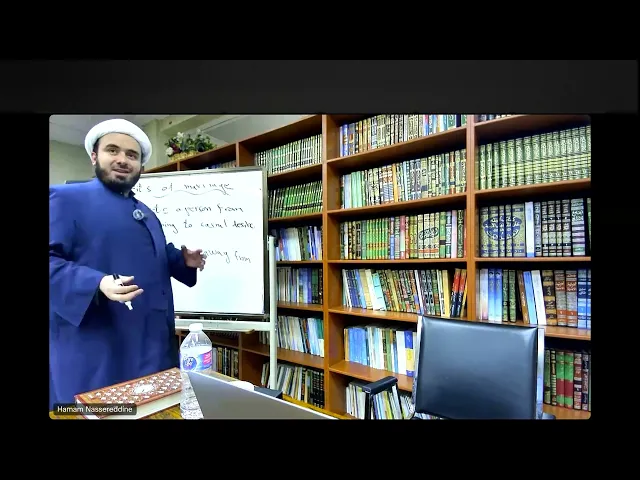
Writing an Islamic Will Workshop
0
0
2 المشاهدات·
24/05/11
في
محاضرات
أظهر المزيد
Transcript
[0:00]e Mal [Music] [Music] [Music] the m [Music] [Music] [Music] [Music] [Laughter]
[2:15][Music] m [Music] [Music] un [Music] [Music] [Music] well [Music] [Music] [Music]
[3:59]h [Music] in [Music] muham muhamad Salam Alum everyone thank you for
[5:02]coming tonight for this very important topic writing an Islamic well um
[5:06]a topic that I personally have a lot of questions about topic
[5:11]that we don't often think about even though it's very important because
[5:14]there is a stigma around this topic that if you think of
[5:17]the well and writing well that means Cent is to establish the
[5:22]the Frameworks and the processes to protect their interests and Legacy both
[5:28]during their life and after they pass away in addition to his
[5:33]planning practice Muhammad has experienced advising clients on immigration nonprofit and corporate
[5:38]matters he has served in various capacities with several nonprofit organizations for
[5:45]15 plus years where he has been using his legal and analytical
[5:49]skills to advance his community we are honored to have you with
[5:52]us today um brother Muhammad and now without further Ado I would
[5:58]like to welcome Sam first to uh as I said discuss the
[6:06]Islamic aspect of writing well after muham Muhammad [Music] my dear brothers
[6:46]and sisters one of the realities that is often ignored and people
[6:53]try to think not think about as much as the reality of
[6:59]death this is a real real it that will happen to every
[7:01]single one of us and as Believers as of course we believe
[7:08]that death is not the end we transition from One Life to
[7:13]another life from one realm to another realm death is a bridge
[7:19]that we cross and everyone crosses this bridge with their deeds with
[7:24]their everyone goes with their own book of Deeds if your book
[7:54]is given in your right hand then you will be happy Allah
[8:01]subhana T then gives us the example of what the sadness and
[8:09]the the frustration that will happen to those who fail the test
[8:14]with Allah subhana wa tala so in our life we have to
[8:17]make sure that we pass that test and in passing that test
[8:22]we have to fulfill our duties and obligations in this life and
[8:29]before we leave we all have an opportunity to amend to fix
[8:34]to mend some of the struggles that we had some of the
[8:40]challenges that we had in this life and one of the ways
[8:47]to fix things once we leave for our children for the inheritors
[8:52]for people that stay behind is to leave behind the will leaving
[8:56]behind the will there's a lot in the will a lot of
[9:02]people think for example will is only about money no will is
[9:05]much greater than that will is about your beliefs the will is
[9:11]about your prayers and your fasting and your Hajj and yours and
[9:16]your your obligations towards God towards people towards the community and writing
[9:23]a will is something that is extremely extremely important from an Islamic
[9:29]perspective it's important and from a legal perspective we will find out
[9:33]how important it is because you live in a country that they'll
[9:36]come and they'll take half of your wealth or I don't know
[9:38]how much but if you don't have a trust if you don't
[9:42]have a will you haven't appointed and designated how you want your
[9:45]money and your assets to be spent the government will take a
[9:49]big portion of it there's ways to protect yourself I'm not going
[9:52]to talk about that we'll leave that to the lawyer but I
[9:56]will talk about the importance of writing a will writing a will
[10:00]and what do we write in the will what should we cover
[10:04]when we are writing a will so Allah subhah wa tala says
[10:10]in the Quran whenever you see what does that signify obligation however
[10:34]here Scholars they say it's not W to write a will why
[10:39]because at the end it says this is for the if you're
[10:44]a Pious person you will write a will and not not only
[10:46]a Pious person someone who's smart someone who thinks ahead someone who's
[10:49]futuristic they're going to write and plan ahead for what's going to
[10:56]happen at the end of the day we come in this life
[10:57]we live we eat we sleep we buy we drink we have
[11:01]businesses we do everything when you leave at least leave some document
[11:04]to say this person I want this to happen with my wealth
[11:07]I have I have this shortcoming I need to do this I
[11:11]need to do that leave some type of document so that when
[11:14]you leave now if you leave any what does mean if you
[11:24]leave any assets any wealth you put a so Allah subhana T
[11:34]says not only in your life you take care of your parents
[11:36]if your parents and what does this mean this means that some
[11:41]people we leave this life and our parents are alive so doesn't
[11:44]mean that only when I'm in a senior citizen and I'm so
[11:49]old that's when I write a will no write a will any
[11:50]anytime think of the W think of your parents and think of
[12:03]thein think of your family think of your relatives right give them
[12:07]something this is what the this is what the religion of Islam
[12:10]is telling us give leave something behind for your relatives and this
[12:14]is something very important there was a man there was a man
[12:17]during the life of the prophet he died and then the the
[12:25]prophet he came and he heard that this man his children are
[12:28]begging in the street so s alai he said what happened with
[12:31]their father their father had money what happened with it they tell
[12:36]him he gave all of his money away he became angry and
[12:43]he said if I had known earlier I would not have allowed
[12:46]him to be buried in a Muslim Cemetery meaning that you have
[12:51]to you can't make your children and your family become Beggars because
[12:55]you want to do sod no there's there's a portion for everything
[12:58]give your family but also give the poor do good deeds but
[13:04]there is there is a share for everyone to go around so
[13:07]now this is the was writing a was how can a be
[13:15]a could be an oral dictation for example there are there are
[13:20]witnesses and you say this is my I want I want such
[13:25]and such to happen this is this is a perfectly valid from
[13:29]an Islamic perspective does this apply right now no because we live
[13:32]in a government where they want to see legal documents and this
[13:35]is why and say this is what he told me so you
[13:40]need to have a document now Scholars say it is highly recommended
[13:44]but then we have many narrations from from the that talk about
[13:48]the importance he says Muslim every Muslim should write a was it
[13:56]doesn't matter how old you are you're young or you're old have
[14:01]some document and we will explain what you need to write in
[14:03]it someone might say I don't even have money should I even
[14:05]write yes everyone should write a was because there's a lot of
[14:13]a lot of things that could go in a in another Hadith
[14:17]says the one who is meaning the one who is basically taken
[14:22]away from him the one who does not have a or the
[14:28]one that has not been given an opportunity to write a to
[14:33]have a will now what should a person put in a there
[14:40]are there are four or five things four points that a person
[14:43]four things that should go in a person's was from an Islamic
[14:50]perspective the first is your was is your opportunity to declare your
[14:53]faith how beautiful is it that a person leaves this life but
[14:59]there's a document that says this person lived as a Muslim and
[15:02]this person Bears witness that there's no God other than Allah and
[15:07]that Allah is a prophet and that the IM the first IM
[15:09]is and IM the second IM is IM Hassan and IM Hussein
[15:14]and IM Z pointing out all your imams pointing out your belief
[15:17]this is a testament of Faith you have that opportunity to write
[15:23]it down someone says why because you want your children this is
[15:26]a legacy you're leaving behind let your children see this that Our
[15:30]Father our mother they testified this is what they left this duny
[15:37]after living for a long life this is what they believed in
[15:39]and this is this was a testament of their faith and Allah
[15:42]subhana tala describes and the prophet how prophets of allahim and under
[15:53]deathbed what do they say they gather their children and their family
[16:04]and they tell them this is the most important thing more that
[16:08]more important than money more important than wealth more important than the
[16:13]assets I'm leaving behind this Legacy of faith I'm leaving behind this
[16:17]Legacy of of IM he he was dying he gathered his children
[16:28]and he tells them who do you worship so this is the
[16:43]greatest Legacy if you were able to come in this life and
[16:45]live and leave behind the legacy of faithful children leave behind the
[16:51]Legacy where you have placed an imprint of Iman on your family
[16:56]and your children and you leave then you'll be in a good
[16:58]place this is more important than leaving behind the millions this is
[17:04]more important than leaving behind the assets this is the most important
[17:10]thing leaving behind a good Legacy of M why because if you're
[17:12]raising your children to be M then you're going to have someone
[17:16]who prays for you you're going to have someone who recites fat
[17:19]over your grave you're going to have someone who recites Quran for
[17:22]you so this is one thing that goes in a a declaration
[17:26]of Faith a declaration of faith and this is the last thing
[17:29]a person will hear before they shut down the grave there's there
[17:33]is it's done when a person is dying they come they tell
[17:39]him say this is one time another time is right before they
[17:46]close the grave it's must for a family or a person to
[17:52]come and they say even hold the person hold the person from
[17:56]their shoulders and shake them Yan fan when the angel of death
[17:59]comes comes to you when when the Angels uh from Allah or
[18:05]for the they come to you and they ask you about your
[18:08]lord about your about your Prophet about your IMS and tell them
[18:15]be very clear this is the last thing that a person hears
[18:26]and they say that the soul hears so write this down this
[18:32]is one second you write down in your will anything that you
[18:36]owe to anyone I borrowed a dollar from someone I have to
[18:39]write that down because I don't want I can't afford standing in
[18:44]front of Allah subhana tala and I have stolen $1 I have
[18:46]taken one one whatever it is taking something that is the hack
[18:53]of someone else taking it wrongfully I need to write it down
[18:56]some of us sometimes maybe I'm borrowing something and then I die
[18:58]you never know maybe I borrowed something very small very insignificant but
[19:04]I this is why we should always write it down always write
[19:07]it down and a a will could always be updated so you
[19:12]write down and this is why when the when the was when
[19:19]the inheritance is divided before it gets divided according to the laws
[19:24]of Islam according to the laws of the Quran Allah says meaning
[19:28]you have to come and take all of the D out all
[19:33]of the inheritance all of the anything this person borrowed from another
[19:36]person or any specific was and then they come and they divide
[19:42]it according to the laws of the Quran and sometimes D is
[19:47]financial and sometimes it's not sometimes I've hurt people with my tongue
[19:52]with other things so maybe it's very important to go and apologize
[19:54]or to write down any H that I have towards another person
[19:59]so this is the second so first you write down your faith
[20:02]The Testament of Faith write that down even if you don't have
[20:07]any money let your just have that this I bear witness that
[20:09]there's no God other than Allah and Prophet Muhammad and the imams
[20:11]of the this is sufficient second you write down if you've borrowed
[20:17]anything from anyone you've taken anything from anyone even a dollar you
[20:20]don't want to stand in front of Allah on the day of
[20:21]judgment third anything you owe to Allah we're all we're always worried
[20:28]about what we owe other people but what about God has a
[20:32]h upon us what are some things that I owe to Allah
[20:35]Salah a lot of people they have Salah they have not prayed
[20:41]write that down and write it down during your life maybe I'm
[20:43]starting to make it up write it down now someone might say
[20:49]this person they didn't pray their whole life why should it I
[20:52]should what's the significance of writing it down how's that going to
[20:55]be we don't know maybe Allah subhana wa ta'ala will be merciful
[20:58]with a person it's waj upon you to write it down and
[21:02]it's waj upon the eldest son to make it up and the
[21:06]family they could make it up later this will be something that
[21:08]will alleviate and remove the pain and the suffering you don't know
[21:14]Allah is very merciful and maybe someone at one point in their
[21:18]life they weren't praying they were fasting but now they decide on
[21:21]changing but once they decided on changing they did Toba then the
[21:27]angel of death came and visited them so Allah knows what's in
[21:29]the hearts the important thing is you write it down you're not
[21:31]playing a game with God that someone says I'm not going to
[21:35]pray and I'm just going to write it down no it's not
[21:39]like that it's for someone who is sincerely trying on uh planning
[21:45]on changing their life so write down your Salah of course there
[21:49]are certain things obligations that cannot be made up while a person
[21:54]is alive the only thing that someone could make on your behalf
[21:58]while you're alive is Haj Hajj you could give nyaba if if
[22:00]you're unable to go if you're unable to go you have an
[22:05]excuse you could pay someone send someone to go and perform the
[22:07]Hajj however Salah zakat HS fasting while you're living you can't have
[22:13]someone make it up but you write it down so write down
[22:17]if you have not gone to Hajj and Hajj became waj upon
[22:20]you when does Hajj become waj upon you when you're financially when
[22:25]you're physically capable when you have no legal issue blocking you then
[22:30]H becomes waj on you now it becomes waj and the moment
[22:32]it became waj it's waj every year so you write that down
[22:37]and this is something that is very important and the fourth point
[22:43]and the last that we write in the will is the distribution
[22:45]of wealth we come in this life empty-handed and when we leave
[22:53]how do we leave also empty-handed whatever I had in this dya
[22:57]this was just something that we were just borrowing we were holding
[23:04]Allah says in the Quran you come to you left behind what
[23:18]we gave you as a we gave you a brief time to
[23:21]use this this house you're living in this was just temporarily yours
[23:24]you were just borrowing it this car you were just holding it
[23:27]on for a short while this and you're just temporarily holding it
[23:31]then someone else will hold it and someone else will come and
[23:34]hold it and someone else so these things that we collect during
[23:38]this life we should we should write it down now how is
[23:44]the inheritance distributed when a person how is our wealth distributed you
[23:48]come and you take all of the wealth how much is all
[23:53]of the wealth this wealth is divided into three 2third of it
[23:58]two-thirds of it they say the moment a person becomes sick a
[24:03]moment becomes ill in their illness that they're going to die even
[24:07]before their death they come and they tell this person yaal no
[24:11]more using your money this money does you don't have the right
[24:14]to use this money anymore if the if someone is in their
[24:18]in their illness that they're dying in so they that way someone
[24:21]can't come and oh I'm dying I have 5 days left to
[24:24]live I'm going to come and give all my money to for
[24:26]example one person no at that time two3 of your wealth you
[24:31]can't you can't do anything with it anymore and once a person
[24:33]dies 2third of their money that is right away it's taken and
[24:38]is divided to the inheritors based on the laws of the Quran
[24:41]this is not a Sunni thing this is not a sh thing
[24:44]these are the laws of inheritance in the Quran you could find
[24:46]them in a wife she inherits 1/4 if she has children she
[24:57]inherits 1/8 and there there are certain law that are mentioned in
[25:00]the Quran that are very clear it's not disputed onethird of your
[25:06]wealth you could do whatever you want with it you want to
[25:09]give it to a charity you want to give it to one
[25:13]of your favorite children you want to give it to your neighbor
[25:16]you want to give it to your friend you want to give
[25:17]it to any person that onethird you could do whatever you want
[25:22]with it 2third their children they have fun with it they do
[25:25]whatever they want they go buy Lamborghinis and fast cars and and
[25:28]onethird of it onethird of it you could do something good with
[25:35]so this is this is um some I want to benefit from
[25:39]it and then two3 let the the inheritors do whatever they want
[25:45]with so this is these are the four things that need to
[25:47]be pointed out in a will in Islamic will one is your
[25:51]beliefs the second if you owe anything to anyone else the third
[25:56]is if you owe anything to God and the fourth is how
[25:59]you want your money to be distributed yes brother no I didn't
[26:16]say that no no no when it the not the medical I
[26:20]didn't say medical yes when a person becomes when a person dies
[26:27]23 of their money is divided amongst the inheritors but if a
[26:34]person they say that this doesn't have to be that when a
[26:36]person dies this is when a person is in their terminal illness
[26:39]they're going to die they come and they tell him that's it
[26:42]you have no right to use two-thirds of your money so the
[26:45]onethird you do whatever you want with it the one-third you could
[26:50]give it to one one person one daughter one son sometimes you
[26:55]know in Islam the boys they get double the girl so some
[27:00]fathers some mothers they come and they say no I want my
[27:04]daughter for example to get to get equal shares so from that
[27:06]one third they could they could compensate and they could make it
[27:09]equal um but the two-thirds it goes you you don't have a
[27:15]say in how it's divided it goes based on the laws of
[27:17]the Quran no the the money three portions 2/3 goes to the
[27:36]way it's supposed to be distributed the onethird is yours it's three
[27:41]portions yes when you're alive you do whatever you want with your
[27:47]money but when you become ill in your terminal illness then that's
[27:52]when you become meaning you don't have the Islamic right to to
[27:58]um spend it freely as you want yes oh if you don't
[28:14]if you don't do if you don't choose to do anything with
[28:16]your oneir it will it will all equally be so if you
[28:24]follow no so so basically if a person dies and they have
[28:30]not done a was you do no no no if a if
[28:34]a person dies and they don't have a was all of their
[28:37]money is divided based on the laws of the Quran and the
[28:40]laws of Islam the the the wife gets a share the husband
[28:43]gets a Share the Children get a share the parents if they're
[28:45]alive they all get a share but you have the right to
[28:50]take out onethird and do whatever you want with it you have
[28:52]the right but if say I did not do anything with that
[28:56]oneir I didn't even write I said let it let let them
[28:59]deal with it however they deal with the two3 then they will
[29:01]they will have it yes in the you could say for example
[29:23]the 2third I can't I can't come and say for example I
[29:25]want I want the the girl to get equal share of the
[29:29]the boy in the 2/3 but I could come and say where's
[29:32]the loss for example the boy is getting 10 and the girl
[29:35]is getting five so I come from the oneir I come and
[29:38]I give five to the girl now they're equal the oneir you
[29:41]do whatever you want with it you alive you give while you're
[29:46]alive it's not even a anymore I know some people before they
[29:48]died he came and he gave his daughter this he gave his
[29:52]son this and they gave everything when he died he was died
[29:54]in the clothes that he was wearing and this is the probably
[29:57]the most noble thing that a person could could do give it
[30:00]away while you're alive yes sister if you give you give during
[30:18]your life no once a person dies the wealth automatically transfers you
[30:22]don't have the right to give a you could give it during
[30:24]your life yes yes yes that would be a stage prior to
[30:49]the was prior to death even yes yes brother yes okay all
[31:01]all assets all assets yes everything in your assets gets passed on
[31:07]yes brother so you could you could give them ownership before your
[31:25]death give them ownership of it if you if they don't have
[31:28]ownership of it then it's your ownership so this is this is
[31:41]the tricky part because you're basically you're you might be playing with
[31:44]the rules of God because Allah subh says the moment you di
[31:47]this is how it's supposed to be so maybe we'll let the
[31:53]lawyer answer that so we'll let you come up here and you'll
[32:07]you'll go over the the legal aspect and then we'll and then
[32:11]if if there was a need for me to come up again
[32:14]I'll come up I ask you all to welcome brother Muhammad alanon
[32:18]lawyer with loud muhammedi Muhammad [Music] uh thank you say I think
[32:39]uh s did uh alhamdulillah an amazing job with covering uh not
[32:44]just the ethical moral aspects of the will but also some of
[32:49]the um technical legal aspects of the F part of it um
[32:51]let me start Salam alaykum uh everyone brothers and sisters uh of
[32:55]course I start with appreciation not just for uh say uh the
[33:01]brothers that put all this together but also everyone here who took
[33:04]two hours out of their Friday night uh to come and listen
[33:09]to something that a lot of people see as either boring or
[33:11]uh maybe even a little bit um um frightful in a way
[33:16]uh that you don't want to be thinking about uh these kind
[33:18]of topics but I think it shows everyone's uh character and their
[33:21]willingness to accept this inev inevitability and also to kind of do
[33:28]the wise thing thing in terms of planning for it uh and
[33:34]let me um I don't think it's working oh yeah work so
[33:43]don't need to do an introduction I think we're running a little
[33:46]bit short on time thank you H for for the uh generous
[33:50]introduction uh this is my information if anyone needs to get a
[33:53]hold of me take a picture of that or I have some
[33:56]business cards to pass along afterwards so um so what's the goal
[34:04]of our um inshallah session today it's to have a basic understanding
[34:07]of the laws of wills and States especially as they intersect with
[34:12]our Islamic laws with the Shar and have that as a starting
[34:16]point for us to start planning to start writing our Wills now
[34:19]at the end of this session I'll have a link up where
[34:24]everyone can go in there is a service that we're providing at
[34:26]laog group where everyone can get a free will you go in
[34:30]there's a portal you provide your information uh a little bit of
[34:33]information that will go through what information you need for a will
[34:35]uh once you have all that you'll be emailed a a will
[34:39]and you can take that print it sign it have it witnessed
[34:43]and notorized we'll go through that process that needs to be done
[34:45]to make a will formally effective so my Approach uh for this
[34:53]session inah will be try to try and cover these five questions
[34:54]first why should I have a will or a plan and happens
[34:59]if I don't have one how do I write a will uh
[35:02]what do I need to make sure that the will complies with
[35:04]Islamic laws with the Shar what are some other objectives that might
[35:08]I might be able to achieve through the process of Estate Planning
[35:11]and what are the different Vehicles trust was mentioned uh that I
[35:15]could use to achieve those objectives so inshallah I'll try to answer
[35:19]those questions one by one so first of all what happens if
[35:26]I don't have a will or I don't have a plan uh
[35:27]number one the first question that a lot of people ask is
[35:31]Will the government come and take all my money and sorry S
[35:33]no that's not usually the case unless uh unless you owe the
[35:37]government money then they're going to take it back if you owe
[35:39]them taxes or sometimes if you owe them uh Medicaid recovery so
[35:44]if you if you God forbid had to kind of be in
[35:46]long-term care Medicaid had to pay for your expenses they might come
[35:53]back and ask for that money back right um so unless those
[35:56]things are true government won't take your your money also unless you
[36:00]don't have any heirs so you don't have any living relatives then
[36:04]the government might come in if you don't have a will and
[36:08]take that money there's the other potential for losing money which is
[36:13]not that the government might come and take it but that it
[36:16]becomes unclaimed what do I mean sometimes there's money that we own
[36:20]that we have a right to that we don't necessarily um understand
[36:23]or are aware of or or maybe have forgotten about I have
[36:26]a lot of clients that come in and talk about retirement accounts
[36:30]from previous jobs that they don't necessarily know how much is in
[36:35]there how much how much it's grown who's entitled to it who's
[36:38]the beneficiary if you don't have all that information then there's the
[36:41]possibility that your uh your heirs might not be able to get
[36:44]access to that money and so it ends up going to the
[36:48]government the government will hold it so that people can come and
[36:50]look for it if you're if your heirs don't know to actually
[36:54]look for it it's going to eventually end up being um taken
[36:57]by the government so government doesn't just step in and take uh
[37:02]all the money there are fees uh there are probate taxes there
[37:07]are uh court fees that might uh be have to have to
[37:09]be paid in the probate process uh but we'll get through some
[37:14]of that information uh later on uh so if I don't have
[37:20]a will I don't have a plan who's going to take care
[37:24]of my kids I also get that question a lot which is
[37:25]first answer is uh the other parent whether you're currently married or
[37:30]or divorced the other parent if they're able and if they're available
[37:34]to take care of the kid they'll be given that right now
[37:36]let's say anything something happened to the other parent or they're not
[37:39]able they're not available to take care of your kids then it's
[37:43]going to be the closest to living relative or any other relative
[37:46]that stands up in front of Court the court and asks the
[37:51]judge I want to be a guardian of this child now again
[37:53]this is if you don't have a plan if you have a
[37:56]plan if you have a will you can assign any your will
[38:00]nominate a person to stand as guardian for your children so if
[38:03]you know who you want to be raising your kids how you
[38:08]want them to be raised then that's a uh that's a reason
[38:10]to take the proactive step towards having a plan having a will
[38:15]that allows for that who's going to take care of my funeral
[38:19]to take care of my assets and that's again the spouse if
[38:25]they're available closest living relative or any other relative or friend that
[38:28]stands up in front of court and asks for that right so
[38:32]now you have to think about your family your friends who's going
[38:35]to take that step to go to court and make sure that
[38:41]they're fighting for for your um for your rights I I can
[38:47]take questions as we go potentially uh I mean again you don't
[39:00]have any documents you haven't planned for this a friend can step
[39:04]up if they if no one steps up then they're going to
[39:08]go through the foster care system even if a friend does step
[39:11]up then there's also going to be a process there's going to
[39:13]be cor dates there's going to be uh the judge is going
[39:16]to look at what's best for the child and they're going to
[39:18]decide based on that that's going to be timec consuming in the
[39:23]meantime they're going to be in the foster care system right uh
[39:25]so if you want to avoid the foster care system the best
[39:28]thing to do is to name a guardian for your kids through
[39:31]uh a well clear uh for your assets and for your estate
[39:37]again anyone who's willing to to come up and stand for that
[39:42]unless again you name uh an executive a personal representative in your
[39:46]will they'll be able to come up and do that on your
[39:48]behalf what will happen to my assets so the technical term for
[39:56]what happens to assets if you pass away without will is called
[39:59]intestacy so there are these laws in every state they're called the
[40:02]laws of intestacy and they govern what happens to your assets in
[40:08]Most states they look at the spouse and they give them the
[40:10]greatest rights uh so uh a spouse in the state of Michigan
[40:15]uh if they're a married couple no previous marriages potentially could uh
[40:20]have a right to the first 150,000 of the estate plus half
[40:23]the rest right so that depends on the state but in the
[40:28]state of Michigan that's the cas case say mentioned about the right
[40:33]of a spouse islamically which is um 1/4 or one8 for a
[40:36]wife with children uh that clearly contradicts with the laws of intestacy
[40:40]so if you want things to be taken care of in Terms
[40:44]of uh the way that the Quran States and the way that
[40:49]Allah T dictated uh then you would have to plan for that
[40:54]will there be family conflict and that's a question not for me
[40:59]but for you each one of us knows their family and knows
[41:01]if there's going to be any conflicts in any of these things
[41:04]that I mentioned uh is there going to be a conflict in
[41:06]terms of the division of the assets is there going to be
[41:09]a conflict in terms of who gets to raise the kids again
[41:11]if you don't plan for it then it's going to end up
[41:14]in front of a judge your family may be in agreement about
[41:18]what happens or they may be in disagreement and so if you
[41:20]want to prevent the disagreement you have to be clear you have
[41:22]to set out a plan and make sure everything is stated so
[41:26]that they know what will happen with every sing SLE point in
[41:31]those points another thing is what if I'm disabled or have some
[41:35]kind of medical emergency unfortunately I have a lot of people that
[41:38]come to me and say um my parents uh unfortunately uh are
[41:42]developing Alzheimer or or Parkinson's and now we need to be able
[41:47]to take care of them and usually what happens they go to
[41:49]a hospital hospital refuses for the individual to make those decisions on
[41:53]behalf of the disabled uh parent and they ask to go to
[41:57]court so you have to to go to court petition the court
[42:00]for guardianship or conservative ship and then through that process you end
[42:04]up getting the final say in how your parents are being treated
[42:08]medically and to avoid all of that we go back and say
[42:10]there's the potential for writing Powers of Attorney medical Powers of Attorney
[42:14]that state how you can or who has the right to take
[42:18]care of you in case of a medical emergency so those are
[42:25]the things that would happen if you don't have a plan now
[42:28]I call it a plan because there are different levels of planning
[42:33]we the say respected say spoke about wills uh one of the
[42:36]gentlemen asked about trust but I would categorize it as five different
[42:39]levels first a lot of people actually I think statistics say 50%
[42:45]of of Americans don't have a plan they don't have a will
[42:47]they don't have a trust they don't have any any of that
[42:51]the higher level than that is to have a basic well this
[42:55]is what I mentioned at the beginning that will have a way
[42:57]to create a basic will that will be sent to your email
[43:01]you'll be able to take it have it signed notorized and be
[43:03]able to assign in it a guardian uh assign in a um
[43:09]personal representative who would stand in court for you if you pass
[43:12]away um who you want to raise your kids how you want
[43:15]some of your assets to be divided and all of that in
[43:17]a simple will a level above that would be a more complicated
[43:21]will where you are actually dividing your assets maybe in more detail
[43:25]you might even be able to create uh some something for for
[43:28]for generations to come through a testamentary trust uh one of the
[43:33]kinds of trusts so the more complicated the more advanced you want
[43:37]to get with that the more you can through a will the
[43:42]next level uh would be a trust which would allow you to
[43:44]achieve some higher objectives in terms of what you want to do
[43:47]uh with your family or with your assets in terms of uh
[43:51]some objectives and we'll cover those objective later on in this session
[43:54]and then there can be more complex trusts for more complex strategies
[43:58]again that comes down to what your objectives are uh for this
[44:03]planning process yes again it depends on number one um your personal
[44:16]family situation your personal um assets and wealth uh and also your
[44:20]objectives for how you want things to to be handled uh post
[44:25]death or or even during life in case disability in medical I
[44:27]think that might be a little bit more clear if we pass
[44:32]through or if we go through the rest of the uh presentation
[44:33]if that question remains then I'll go back and answer it very
[44:51]good question um the will doesn't affect the Pod so uh you
[44:57]pod is a designation of beneficiaries that you say in your bank
[45:01]account or in your retirement accounts that if I pass away the
[45:03]money goes to for example to my wife to my children the
[45:08]will doesn't affect that legally speaking the will does not affect that
[45:11]the will handles property outside of that right so the world doesn't
[45:15]manage that that goes back to whoever you designated now um we
[45:22]can ask say if that money is a part of the full
[45:23]estate that needs to be divided 1/3 by 2/3 right so that
[45:28]money might still have to go 2third of it to your uh
[45:32]to your a islamically even though it doesn't go through well legally
[45:36]okay is that distinction clear so why don't people if these are
[45:43]if if a plan if a will is so important why don't
[45:46]people uh actually write a plan or write a will uh a
[45:51]lot of people say it can wait and we all know and
[45:52]that's why we're all here that sometimes we don't know whether it
[45:59]can wait sometimes things can happen suddenly unforeseen uh a lot of
[46:03]people say I don't have enough assets uh for an estate plan
[46:06]or for a will and again that's false because anything that you
[46:09]might have again from a moral perspective as well from a legal
[46:13]perspective you have the ability to direct uh islamically a portion of
[46:20]it legally all of it through a will some people say it's
[46:25]too expensive uh and again it might be more expensive to pass
[46:28]away without a will than is to pass away with a will
[46:32]okay so let's get to the formalities of writing a well yes
[46:44]I have a I have a slide on that I have a
[46:53]slide on that let me get to it and then you can
[46:57]ask the question again if I don't answer it okay so writing
[47:00]a will first of all a will is a very formal process
[47:04]legally speaking we want to make sure that people understand what a
[47:07]will is and that they're doing it with sound mind and they're
[47:10]not being forced into it they're not being taken advantage of so
[47:12]we require it to be in writing we require it to be
[47:18]signed that there will be two witnesses and in some states that
[47:20]it be notorized right and so it's best to kind of make
[47:25]sure that it's signed witnessed and notorized Wherever You Are in in
[47:28]any state make sure it's notorized so once you have that you
[47:34]have a will so who can write a will any adult own
[47:40]that they know who their relatives are uh and that they know
[47:42]that by signing a will they're allowing them to take possession of
[47:45]this property after they pass away so those are the kind of
[47:49]questions you ask a person to make sure that they have sound
[47:51]mind to be able to write a well and you can tell
[47:55]that it's not a very high threshold but again some people who
[47:57]are suffering from God forbid Parkinson's or or Alzheimer's they might not
[48:02]late to write a well uh also again a person has to
[48:07]be doing it freely so they can't be under the AR they
[48:09]can't be forced into it they can't be taken advantage of what
[48:13]should a will include uh first of all you have to identify
[48:18]yourself as the person writing the will usually we do that by
[48:20]writing the name but also writing some clear characteristics like address who
[48:24]I'm married to who my children are and then you can name
[48:29]a personal representative or you might have heard of it as an
[48:32]executive a person who takes the will and actually takes it to
[48:34]court and enforces it and that's another thing about wills it has
[48:37]to actually be certified by the court but we'll get to that
[48:41]yeah you can name a guardian for your kids if you have
[48:44]minor minor children you can nominate a person who would be able
[48:48]to take care of your kids and you can give directions on
[48:49]how they should do it you can make specific uh distributions of
[48:55]property so you can say I leave let's say my car to
[48:57]my to my son or uh 15% of my assets to my
[49:01]daughter whether it's an actual item or a percentage you can do
[49:07]that in a well uh and then you have to identify where
[49:11]everything else goes so you can say my car goes to my
[49:16]son 15% goes to my daughter and then the rest goes to
[49:20]my wife now again islamically speaking there are specific ways uh that
[49:26]these need to be divided 1/3 2/3 specific of the inheritance of
[49:31]the 2/3 the way I would suggest that a will be written
[49:33]islamically is to go through the inheritance go through your specific family
[49:36]situation and say for example I have a single daughter she gets
[49:40]a half and so on and so forth and incorporate that in
[49:43]to the will other question I get asked sometimes is can I
[49:50]inherit disinherit my wife and my kids if you have minor children
[49:53]you can't disinherit them if you have a spouse you also can't
[49:57]disinherit themer means taking out of the yes taking them out of
[50:03]the world so that they don't get anything um yeah so you
[50:04]can't do that to minor children you can't do that to your
[50:08]spouse the spouse has what's called an elective share and that depends
[50:11]on state law so in the state of Michigan one example uh
[50:15]I think I already mentioned this which is if you're married no
[50:19]prior marriages you have children uh the spouse gets 150,000 plus half
[50:24]the rest okay so if you leave a will that gives the
[50:29]spouse less than that they have the right to petition to the
[50:32]court and ask for more uh you can potentially limit that in
[50:37]a will by saying that for example my wife can't get more
[50:40]than half of that elective share but there's always a potential for
[50:44]that to be not enough in view of the court and that
[50:48]the court will basically give them more now before that might sound
[50:52]a little bit uh kind of scary because it contradicts the Islamic
[50:56]Shar so much there is always number one the spouse doesn't have
[51:01]to uh kind of does they don't have to contest the will
[51:06]so if you're married to a Believer someone who fears Allah subhana
[51:09]wa tala they're not going to do that but also you can
[51:13]get a waiver of that beforehand and usually that happens in a
[51:17]prenuptual agreement where you wave your spousal right and that way that
[51:20]possibility isn't even there for them to go to court to contest
[51:22]the will and get more than that does that clarify your question
[51:30]okay can I change my will your answer yes uh you can
[51:36]completely revoke it uh you can uh toss it out you can
[51:40]write a new one you can just shred it and go back
[51:41]to not having a will um you can even edit it you
[51:45]can edit it by what we legally call a cisal which is
[51:48]a document attached to it that says I've made these changes one
[51:51]thing I'll warn against is don't go around Crossing things out and
[51:55]adding things in because that could put potentially create more confusion uh
[52:00]if your will was written in a specific way you might not
[52:02]you might not be able to or you might not you might
[52:05]unintentionally cross out the wrong thing or not cross out the right
[52:11]thing or uh create more confusion by doing that so so there
[52:20]has to be there has to be a hard copy because uh
[52:24]courts uh and that might differ from state to state but in
[52:27]michig michig courts require an an original ink signature on the document
[52:31]right uh so just having an electronic copy might not be enough
[52:35]right or electronically electronically signing a copy might not be enough so
[52:40]ink signature needs to be present and that's why we usually tell
[52:46]our clients to keep keep the whe in a safe place either
[52:48]next to their bed or even if they can and in a
[52:52]safety deposit box or something of the sort yeah yeah so so
[53:04]you'd have to have the original one um we usually as attorneys
[53:07]we keep a scanned file just in case there's something that that
[53:12]happens where we can't find the original but the court does want
[53:14]the original and if you don't have the original you have to
[53:16]justify it in some way and if you've lost it and you're
[53:19]still around to kind of make a new one then you should
[53:23]make a new one would not recommend that because there is the
[53:32]potential that again if you want it to change or if you
[53:36]want it to completely revoke then you yeah you exactly there's the
[53:40]potential for multiple Originals contradictory Originals to be floating out there that's
[53:45]going to create more problems than you've solved right clear on this
[53:50]one okay what a will can't do so it's important to realize
[53:55]what a will does and what it can't do so number one
[53:59]it can't avoid the probate system a will needs to be certified
[54:02]basically by a judge the judge needs to have it in front
[54:04]of him stamp it and say I give the personal representative the
[54:09]executive the power to act in accordance with the will right and
[54:12]that could be timec consuming and it could be expensive it can't
[54:15]avoid any taxes so if you're in a bracket where you're worried
[54:21]about uh estate taxes which most of us in well most of
[54:24]us AR inshallah some of us are which is around 26 million
[54:29]um most people don't have have to worry about that but if
[54:32]you're in that bracket I will can't change that for you there's
[54:38]a potential for estate taxes there's no estate taxes now that number
[54:43]changes and there are some states that have different numbers this is
[54:48]the federal number I have a slide on it uh the other
[54:51]thing I will can't do follow I'll get to it I'll get
[55:05]to it the other thing will can't do is affect joint property
[55:08]so in the US legal system Most states if you Jo if
[55:14]you jointly own property meaning that for example me and my wife
[55:17]both our names are on the deed to the house uh that's
[55:21]not affected by the will and what happens is that if one
[55:23]of us passes away the house is so me and my wife's
[55:29]names are on the deed I pass away my name basically gets
[55:35]uh scratched out and the house remains in her name uh now
[55:38]that's what happens legally again you go back islamically was that her
[55:41]right to kind of get that other half of the house um
[55:45]we don't see it as getting the other half legally but islamically
[55:49]it could be problematic then it goes into uh what would happen
[55:57]with either if they had a will or if they don't have
[56:00]a will you'd have to go through that hole but if it's
[56:01]jointly oned that's where a will doesn't affect it because what we
[56:07]say is your your property right got extinguished at death so you
[56:10]don't have a right to it anymore it was you couldn't have
[56:14]done anything with the will to change that so it doesn't pass
[56:17]through will it passes outside of probate yeah yeah if if both
[56:26]spouses die then it passes on to their ears if you have
[56:32]joint accounts that would be the same so if again if if
[56:35]one of the spouses dies they scratch their name out and it
[56:37]Remains the property of the other individual life insurance is different life
[56:47]insurance um I'm correct me if I'm wrong say it's from what
[56:51]I've seen from sayani it passes completely outside of that right so
[56:56]legally life insurance isn't your property but someone has a benefit to
[57:00]it right so for example if I have my kids on the
[57:04]life insurance if I pass away my kids get the money directly
[57:06]so it's not through the probate and it's not through uh even
[57:13]islamically it's not through the 1/3 2/3 division uh there is a
[57:16]potential just because tax laws are different than probate laws that it
[57:20]might be taxed if you hit that $26 million Mark but that's
[57:26]different uh ready went through joint property okay so how do I
[57:33]make sure that my will is Sharia compliant first of all we
[57:36]have to understand the Islamic laws and I think say did a
[57:40]great job of of doing that for us and then we should
[57:42]incorporate those laws into our will uh so first of all we
[57:49]have to understand that 1/3 2/3 division that onethird that we have
[57:52]the power to divide or to um allocate in whatever way we
[57:56]wish we write that in the well and then for the other
[57:58]2/3 we should also State how that division is going to be
[58:04]so my example if uh I'm right now I'm married I have
[58:08]a single daughter I have my parents are alive and well so
[58:11]one six to each of my parent 1/8 to my wife uh
[58:15]one half to my to my only daughter that's the division that
[58:19]would be according to the verses from Sur uh the complexities start
[58:25]to add up when when or when those fractions don't add up
[58:28]to 100% so what happens to some to a shortage what happens
[58:33]to an excess in terms of those fractions that's something that each
[58:37]individual should assess on their individual basis based on uh their personal
[58:43]family situation and incorporate that in the will because otherwise if I
[58:47]put a will in front of a judge that says divide this
[58:49]islamically just not going to know what to do with that right
[58:53]and they could potentially just throw the whole will out because they
[58:56]can't act on right um so that's why it's important to have
[58:59]that division incorporated into the will uh there aren't much differences because
[59:16]a woman is entitled to her own property so are you asking
[59:21]this from an Islamic perspective or a legal from a again from
[59:25]a legal perspective um depends on how they're titled uh are they
[59:29]titled jointly or not from an Islamic perspective she had the right
[59:35]to have her own property uh her property once she passes away
[59:38]is divided according to the same divisions the only differences is where
[59:42]in some instances in some cases where there is where there's a
[59:48]double for the male heirs and I think you can again assess
[59:51]on a personal basis Case by casee basis so there's nothing wrong
[60:11]with that except that it creates possible room for uh family conflict
[60:15]and for uh the wellbeing contested in court so if your family
[60:19]can't agree or if God forbid if you anticipate that one of
[60:25]your heirs might not be under understanding of the Shar that they
[60:28]might want to contest the will then they could potentially jeopardize all
[60:31]of that right so to reduce family conflict to make sure it
[60:34]happens the way you want it to happen according to the Islamic
[60:39]laws you incorporate all of that into the will uh I think
[60:47]say Sal did a excellent job of going through a lot of
[60:51]these um scenarios okay I I also want to make sure I
[61:00]have some time for question and answer in case I haven't answered
[61:03]anyone's uh questions so objectives to estate planning what are some objectives
[61:09]that can be achieved through Wills trusts uh Powers of Attorney what
[61:14]are some things that we can do with this estate planning process
[61:19]first of all Let me give a little bit of a background
[61:23]on trust because again that that term has been thrown thrown around
[61:26]a little bit so what a trust is I usually say it's
[61:30]like a box so you create this trust and you put your
[61:32]property inside that box while you're alive and well you have full
[61:38]and absolute control to do whatever is you please with whatever you
[61:42]put in that box once you pass away that box automatically gets
[61:46]shifted to the next person over so whether it's your spouse your
[61:50]children that box just moves along and now they have complete ownership
[61:57]of that prod property okay so that's how a trust can be
[62:00]used that's the the way it can become beneficial talk about so
[62:05]what are some objectives that we can achieve first of all we
[62:11]can put in there some language to protect uh spouses and children
[62:14]so for example if I have an inheritance I know that for
[62:17]example one of my sons uh isn't great at managing money might
[62:22]be uh there might be an impending bankruptcy case I don't want
[62:26]them to lose the inheritance I'm giving them directly when they receive
[62:29]it potentially I could build in some creditor protections for them in
[62:36]the trust disabled beneficiaries if I have uh children or other beneficiaries
[62:41]that are disabled I don't want to give them that money if
[62:44]that's going to jeopardize uh their government assistance they're going to lose
[62:47]their Medicaid and now they're not going to be able to get
[62:50]the treatment that they want I want to make sure that I
[62:51]build it into the trust where I make sure that they continue
[62:56]to have the eligibility for government services um planning for my personal
[63:01]God forbid disability what happens if I'm disabled how should my assets
[63:04]be controlled who should be making decisions both financially and medically tax
[63:08]planning in terms of uh State gift and income taxes so um
[63:13]in terms of state taxes we mentioned the $26 Million number gift
[63:16]taxes is similar if you give gifts more than that number uh
[63:20]throughout your lifetime or more than 16,000 to a specific to a
[63:26]single individual during a year then it might be taxable to you
[63:29]right not to the person getting the gift but to you as
[63:31]the person giving the gift so those are some things to consider
[63:36]as well and then you could use the trust to kind of
[63:38]plan for that how can I save the most taxes by utilizing
[63:45]those taex oh I'm sorry okay yeah other objectives asset protection if
[63:55]I'm someone with potentially high risk for example medical doctors I want
[63:59]to make sure that no one can come and sue me and
[64:02]take all my property and I'm left with nothing my family's left
[64:05]with nothing there's a potential to have asset protection trusts that will
[64:10]save something for for your family uh business succession planning if you
[64:13]have a business and you want to make sure that it continues
[64:16]to operate successfully after you pass away God forbid then that's something
[64:20]to build in both in the business and in the trust ensuring
[64:24]F family harm Harmony so if there is potential conflict that you
[64:28]foresee uh between your kids between uh your heirs then how do
[64:33]you deal with that how do you make sure that everyone is
[64:35]happy and there's no chance not necessarily that everyone's happy but that
[64:39]everyone knows exactly where the lines are as well and there they
[64:43]won't be Crossing it in terms of contesting the will and things
[64:46]like that how do you preserve Family Values so I have clients
[64:49]that come to me and say I want to make sure yeah
[64:51]I have this this wealth that I want to pass down to
[64:54]my kids but how do I make sure that they don't become
[64:58]trust babies that they don't become just dependent on the trust that
[65:01]they go out and earn their own decent living how do I
[65:03]make sure that they got an education how do I incentivize them
[65:07]to get married for example on their own families expenses or the
[65:11]trust will give invest in your business all of these things are
[65:13]things that you can do to preserve potentially your family values there's
[65:18]also charitable planning so that ranges from for example saying uh one3
[65:24]uh of my assets in will saying onethird of my assets to
[65:28]my local mosque or saying that I have the sizable uh number
[65:33]of assets I want them to be invested and then they can
[65:35]be uh donated to charity during my life or after my death
[65:41]potential tax benefits of that thing in the US called uh pet
[65:43]trust so you can leave a trust aside for your pets to
[65:46]make sure that they're taken care of I only mentioned that to
[65:49]say that the possibilities are endless whatever objective you can come up
[65:52]with that you want to achieve through a trust there's probably a
[65:57]legal vehicle for you to do that depending on the kind of
[66:05]trust um money in the trust can be taxed on growth right
[66:08]so if there's a business in the trust if it's making money
[66:12]then that money uh could be taxed as income right so that's
[66:16]income taxes I would say so yeah so so so you can
[66:41]set up the beneficiaries according to the divisions uh islamically so again
[66:45]I have a single daughter she gets half I give her half
[66:47]in the trust my wife gets eighth uh in the will she
[66:52]would get eighth an eighth in the trust or potentially I can
[66:56]just build the trust if they're sizable assets build the trust with
[67:00]just my one third and then distribute the other two3 the other
[67:04]thing that trust can do and I'm not sure I don't think
[67:08]I have I have it in here which is actually going back
[67:10]to protecting um spouses and children so if you have minor children
[67:14]and you're passing things along to them by will they get complete
[67:20]access to it at that age right so it could be a
[67:22]5-year-old inheriting $100,000 right uh and and you don't want that because
[67:28]they could either misspend it who's going to be taking care of
[67:30]them who's going to who's going to be monitoring how they spend
[67:32]the money as opposed to a trust where you're building all of
[67:38]that in advance right so potentially if you take those considerations in
[67:41]mind the Trust might even be more beneficial because you're again establishing
[67:46]your values making sure everything is done correctly from an Islamic perspective
[67:51]answers your question um so I think I was asked about uh
[67:56]what's probet uh probet process so probet is basically opens a case
[68:04]um the family goes to the court they provide a an inventory
[68:07]a list of all their assets and then the court makes sure
[68:11]that number one that creditors are paid and then that the family
[68:15]divides everything else uh either according to the law or according to
[68:17]the will there is no uh abuse or misuse no one's taking
[68:21]advantage of anyone else after the creditors are paid so the that
[68:28]usually is a lengthy and a uh expensive to attorney fees in
[68:31]that process appraisers whatever it might be to make sure that the
[68:34]case goes through that system and that actually could last from at
[68:41]least at least six months stat based on the statutes in the
[68:43]state of Michigan there's a waiting period you can't close it before
[68:46]6 months just to get all your property across the probate core
[68:51]and make sure it's distributed to your hirs that's why I mentioned
[68:56]um avoiding probate as one important uh objective to be achieved now
[69:00]the other thing is if you have a will like I said
[69:03]it doesn't avoid probate for you uh so you could have a
[69:05]will the will needs to be presented to the judge the judge
[69:09]needs to approve it and ask the personal representative to act in
[69:13]accordance to the will only a trust through a trust or if
[69:19]your assets are small enough uh so in the state of Michigan
[69:22]if your assets are less than 50,000 um avoid probate also like
[69:29]I mentioned joint property isn't accounted as part of that so you
[69:34]could for example um H jointly own the house with with your
[69:36]wife um have assets over on top of the house less than
[69:42]$50,000 and then you would be avoiding probate the other thing that's
[69:45]available to you in the state of Michigan actually is what's called
[69:48]a ladyb bird deed so you can even in the uh deed
[69:52]of your house you could write uh this house belongs to me
[69:56]or to me and my wife as long as I'm alive and
[69:57]then when I pass away it backets and that way it doesn't
[70:02]go through the court system so from my understanding no so if
[70:15]they're owners on the deed uh then they would own whatever portion
[70:21]you have them as on the deed yes whatever is on the
[70:28]deed or or whatever either an equitable share or or whatever is
[70:31]on the deed then then it would have to go through the
[70:44]Probate Court it will still go to the children but it will
[70:48]have to go through the Probate Court after that process so so
[70:50]they might have to be yeah potentially because you'd have to figure
[70:55]figure out who's going to um who's going to handle that money
[71:00]on their behalf right so unless you've left a will assigned the
[71:03]guardian appointed the guardian all of that the court is going to
[71:06]have to consider uh yes for commercial real estate you can do
[71:16]that you could also through your um business planning so if the
[71:19]commercial real estate is owned by an LLC you would have an
[71:24]operating agreement that potentially you can make sure uh operates in the
[71:27]way that you want that's a question for the say maybe but
[71:33]I as far as I understand yes you would be because you've
[71:38]owned it during your life and so even though you've you've put
[71:41]in place an automatic trigger for it to transfer after your death
[71:46]you still owned it up to the point of death so if
[71:48]you've owned it up to the point of death then islamically it's
[71:53]within that one3 two3 division if you've given them ownership during your
[71:58]life by placing them on the deed then you should be fine
[72:08]yeah yeah so I think the bottom line is if if that's
[72:15]your objective then go back look at your objective and make sure
[72:18]that you VI done that also making sure that you haven't in
[72:26]yes go ahead M no they would be passing outside of probate
[72:48]for example life insurance uh if you have life insurance you have
[72:55]correct uh beneficiary design Nations they'll pass outside the probate process designations
[72:58]or if you designate it to for example my wife who passed
[73:05]away before me or or at the same time then it could
[73:06]end up in the probate process the other thing to consider I
[73:10]think I mentioned this is that the probate process is one thing
[73:13]and then estate taxes is another thing which I'm getting to which
[73:16]is it could potentially be taxed even though it's outside of the
[73:19]probate process if you get to those numbers so the current numbers
[73:25]for state taxes federally is $12 million per individual 24 um for
[73:29]a couple I think that changed as of the beginning of this
[73:31]year it's adjusted for inflation so it's um basically where you live
[73:37]and where you own your assets that might also be triggered in
[73:39]terms of having to pay estate taxes so for example if I
[73:44]own property in in Maryland I might have to pay estate taxes
[73:47]on that property because I might be subject to their laws similar
[73:52]thing is gift taxes which is if I give a gift uh
[73:59]that's substantial it might be taxable to me so if anyone has
[74:02]assets that add up to these amounts I know they sound ason
[74:05]astronomical to most yes so uh for them right so if I
[74:12]give say Sal $16,000 or $188,000 I might have to pay taxes
[74:19]on that personally not you me right yeah so and then there's
[74:24]a believe that's 30 or 40% estate tax is 40% I believe
[74:29]gift tax is 40% too yeah so there's a there's an per
[74:35]person per year limit which is 16,000 and then if you go
[74:39]above it then there's an annual there's a lifetime limit of again
[74:42]it's 26 million for a couple right now so then if you
[74:46]go over 26 million for a couple this is significant and important
[74:50]for billionaires but not most of us ta mhm yes so income
[75:06]taxes is one thing because there are different kinds of tax so
[75:10]you pay you pay sales tax and then you pay income tax
[75:13]and then you could pay estate tax and gift tax the IRS
[75:16]gets their money gift taxes yes yes yeah yeah so there's a
[75:37]yeah there's a perear limit and then there's an a lifetime limit
[75:40]so if you hit the Pere limit then it's going to count
[75:44]against the lifetime limit then if you pass the lifetime limit then
[75:47]it's it's taxable to you so sounds like tax evasion to me
[76:01]if you structure right potentially um giveness and then they might be
[76:08]text on it themselves but yeah okay I think we talked enough
[76:11]about taxes jointly owned property uh life insurance and retirement accounts um
[76:17]so mentioned that also briefly which is life insurance passes outside of
[76:22]um probate same thing with retirement accounts as long as there's a
[76:26]proper beneficiary designation on them there are potential tax advantages to having
[76:31]your spouse named as the beneficiary uh so if if it's not
[76:34]your spouse that's named as as a beneficiary retirement accounts could potentially
[76:38]be taxed uh that's a complicated question for your accountant okay yes
[77:00]yeah yeah so so according to company policy I guess you would
[77:07]get their signature to be or you would have them as beneficiary
[77:09]or if you got their signature and they've said I don't want
[77:12]to be the beneficiary the kids can be the beneficiary that could
[77:17]potentially become taxable to the kids when they get that pay out
[77:23]right I insurance I so so it's going to go to your
[77:36]estate which means court is going to open a file they're going
[77:38]to look at the life insurance and they're going to see where
[77:40]it goes most likely to the kids right um exactly so so
[77:47]what you can do is you can name a primary beneficiary and
[77:53]then you can name secondary beneficiaries which is to say if if
[77:57]that contingency happens then they would be the ones uh uh to
[78:00]take that money so there is potential survivor benefits on the Social
[78:41]Security side uh but those are they're very spe specific in terms
[78:45]of the rules so with retirement accounts you're putting money in and
[78:49]you're going to end up getting that money back either to you
[78:51]or or to your spouse or to your kids with Social Security
[78:55]you're putting money in you don't know how much you're getting out
[78:59]of it you're not getting the same amount and then there's your
[79:02]benefits there's potential survivor benefits for your spouse uh so there might
[79:07]be money out there there might not be money out there you'd
[79:11]have to kind of look at the specific scenario for Social Security
[79:18]it's it's not it's not really your property what's in Social Security's
[79:22]hand it's not your property it's a government benefit right exactly exactly
[79:27]now your spouse should know um whether there's a Survivor benefit or
[79:32]anything like that again going back to one of the first slides
[79:37]I I did there's something called unclaimed funds agencies in the state
[79:41]so if your kids if your wife if your kids they don't
[79:44]know what you own and you pass away um then that money
[79:50]could potentially be lost right so it's important to communicate to them
[79:54]that hey this is what I own if something happens to me
[79:57]make sure life insurance pays you make sure my retirement account they
[80:00]get paid out to you right so it's important to have that
[80:04]clear communication if you if you keep connections with the previous state
[80:24]for example you keep your assets there then you don't have to
[80:29]do that but if you move completely move all your assets sell
[80:31]your house buy a new house then potentially you might want to
[80:33]do that because again there's potentially different laws now there might be
[80:37]just you might have to amend things instead of doing things from
[80:39]scratch but that that would depend on the case by case scenario
[81:09]to come up with a fair Division if there isn't a fair
[81:15]division then for example if it's joint if me and my wife
[81:19]are both on the on the deed then it's assumed 50/50 because
[81:21]it's just two people on a deed right unless there is a
[81:25]fair way otherwise to divide things yeah I mean probably the same
[81:32]answer and this always comes up when it comes toes as well
[81:37]sometimes people you know couples they have a shared account and they
[81:41]don't know whose money is which and that's why it's advisable you
[81:46]could still love one another you could still respect one another and
[81:50]cherish one another but it's advisable to kind of know where's your
[81:54]money and where's even though you live your life in a way
[82:00]where myone is her and you should know you should know where
[82:07]it is so that when it comes to homes and when it
[82:10]comes to inheritance you'll yeah so maybe you could see for example
[82:28]how much how muches estimate I think the we had some questions
[82:37]over here first and and children are living He they have sh
[82:49]he has other relatives that might be alive they might have Islam
[82:56]Shar so that's why it's important to have this for example you
[83:00]could say I want or you during your life give it to
[83:06]them say for example this is for you or out an agreement
[83:08]where example I know some sometimes they would have to sell that
[83:13]and some I've heard stories where the kids and the mother the
[83:17]dad died and the kids and the mother had to sell the
[83:19]house because for example the in-laws asking for their rights and it
[83:26]becomes your right the moment a person passes away the money is
[83:31]transferred the way the way the way the Islamic law has legislated
[83:35]so it's to come and forbid someone and stop someone from taking
[83:47]their he could give it to the wife or he could give
[83:51]it to the to the children during his life out so you
[84:09]could basically say my house I I give it to my wife
[84:14]or I give it to All My Children equally of so one
[84:35]that is I've seen in the Middle East for example in some
[84:39]countries what they do is a TR right basically yeah is a
[84:47]has to stay in this family this has to stay this children
[84:53]so you could do that um they do countri uh before before
[85:05]I answer more questions I do have time right yeah yeah okay
[85:08]uh one thing that I want to mention is uh I mentioned
[85:12]the free will if you want to scan the QR code or
[85:15]go to the uh web page basically it'll prompt you to go
[85:18]through uh a list of questions you're going to answer about your
[85:23]personal information spouse's personal information children's personal information who you want appointed
[85:29]as a guardian as a um personal representative if there's any specific
[85:33]gift that's to be made uh you can do that now this
[85:39]is a what I call a basic will so you can make
[85:40]a basic gift for example let's say to to your kids or
[85:44]or to a friend but this will is going to say the
[85:48]rest goes to my wife and that's because there's legal reasons and
[85:51]I can't I can't advise you all personally on whether you can
[85:56]do something different right now or not um so so I don't
[85:59]give General legal advice to to the whole group that's the that's
[86:02]the best I can do so go through that get that done
[86:06]uh if that's to your to your needs and fulfills your needs
[86:12]that's great uh if not if you want to go further uh
[86:14]also available for that I should mention that this will achieve some
[86:19]important uh objectives which is uh it will again appoint a guardian
[86:25]for your kids in case you you want that in case you
[86:27]have minor kids uh it will assign a person to be your
[86:32]personal representative to standing core and make sure everything is done properly
[86:36]and it will hopefully if there's a chance for family conflict this
[86:40]will reduce that chance so there's important reasons to have that even
[86:44]though it's basic even though it's simple uh but it's a first
[86:46]step so I advise everyone to go through it is this something
[86:50]that you fill out print and then bring it to you so
[86:54]so you fill it out you you fill it out you print
[86:55]it uh and then you can come to my office it's just
[86:58]going to need a uh basically your signature with Witnesses and a
[87:01]notary so you can come to my office you can go to
[87:04]a local bank and you'll be able to finalize it and everything
[87:07]will be set so someone could basically fill out a without lawyer
[87:13]winess yeah yeah you don't necessarily need a lawyer yeah yeah exactly
[87:20]there are forms available online trust is different the trust is different
[87:24]this is a basic simple will if you need legal advice to
[87:29]a group this probably best thing that you I would say yes
[87:59]except that uh it depends on your personal family circumstance and your
[88:03]assets so I I think I may have forgotten to to mention
[88:07]it it was on there but in the state of Michigan if
[88:10]your assets are below 50,000 actually I think I did mention it
[88:14]if your assets are below 50,000 then you might not need to
[88:15]go through probate so you don't necessarily need a trust as long
[88:20]as things are figured out with the family um but yeah if
[88:23]you have assets you you want to make sure that they're passed
[88:28]on correctly then uh yes find an attorney make sure that they
[88:30]do it for you uh the other thing I'll say excuse my
[88:33]uh I'll be able inshallah I'll be able to guide you through
[88:39]the Islamic side as well I have some background in that uh
[88:41]but if there's anything that I I might not be able to
[88:45]answer for you then say is available uh the scholars in we
[88:51]can refer to legally 18 but depends on again family Dynamics who
[89:01]you trust to be the guardian is an 18-year-old going to be
[89:04]qualified to look after a 2-year-old that's that's depends on the person
[89:10]up to your family I think there are some questions over here
[89:13]let's be kind of eal yeah for a will if there's a
[89:22]notary it would be called a self short answer answer is it's
[89:25]best to have to have not necessarily required but best to have
[89:30]a notary for a while uh okay so legally speaking the the
[90:17]house is owned subject to the mortgage or or to the lean
[90:19]so that transfers with the house so the wife would get the
[90:23]house as well as the mortgage on the house right uh so
[90:25]then she'd be liable to pay the mortgage if you can't then
[90:30]potential foreclosure and so on um but I hope that answers your
[90:35]question from a legal perspective then again it would be divided to
[90:47]her hirs right so her husband would be one of her airs
[90:52]but also her parents her her kids so it depends on again
[90:55]family makeup composition oh I'm sorry legally yeah if it's just her
[91:00]name then it would uh go through the probate process to go
[91:04]to her heirs the husband would have what's called a spousal share
[91:08]uh which would be 150,000 plus half potentially if family looks different
[91:12]that might be a different number but very similar but with different
[91:16]numbers than the Islamic s yeah yeah no no they won't be
[91:25]evicted in the meantime but but if God forbid more there are
[91:28]so again less than 50,000 there's a different process if it's even
[91:32]less then depending on what kind of assets there might not be
[91:38]any process uh to go through over 50,000 uh then um there
[91:40]you'd go in front of the the judge you would um basically
[91:45]submit what's called an inventory listing all the property um and then
[91:49]how it's going to be divided right if you have a trust
[91:53]then like I said it's put in the box and the Box
[91:54]transfers automatically so yeah no courts nothing except that if you miss
[92:00]something out of the box again it's a box you put whatever
[92:04]you own in it if you missed putting something in the box
[92:06]then it's going to have to go to court so can you
[92:09]put all my Assets in that box you'd have to name the
[92:14]specific assets what if you're money now but then started that trust
[92:18]a year ago you want everything your account so you you would
[92:22]name the bank account in the name of the trusts so then
[92:27]everything in the bank account would be in the trust um the
[92:30]only thing is the biggest thing I'd say is real property so
[92:36]houses um houses or or real estate if they're not named in
[92:38]the trust then they're going to have to go through the apprpriate
[92:39]process because you you want to be able to sign over the
[92:45]deed to the trust otherwise it's going to have to be uh
[92:49]a judge who signs over the deed to your kids exactly so
[93:00]Powers of Attorney could be useful in that if something happens to
[93:03]you they could act on your behalf Powers of Attorney are no
[93:08]longer valid once a person passes away so they're completely uh invalid
[93:12]if someone passes away so they might not be useful uh in
[93:16]that in some scenarios even in terms of passing away yeah power
[93:24]of attorney is no longer valid once a person passes away um
[93:28]that's where a will comes in that's where trusts come in but
[93:33]Powers of Attorney are only valid as long as the authorizer is
[93:55]so they can be and I would I would suggest that they
[93:58]should be and and I've I've done wills and I've done trust
[94:02]to for some CL there's tabs in it and like one of
[94:04]the first tabs is a statement of faith where it l I'm
[94:08]a Muslim this this is my Creed this is I believe in
[94:12]that Allah is one Prophet Muhammad the Quran the imams and like
[94:16]the S beautifully said we're talking a lot about property but ultimately
[94:20]passing along your values your your religion that's more important so even
[94:25]though there is legal aspect to passing along property that should be
[94:31]a a greater concern for for every believer make sense there there's
[94:45]a big range uh so there's a big range um from I'd
[94:51]say like a a complex will uh where I just sit down
[94:55]and kind of write a more complex will for you something more
[94:57]than just the simple will might might cost you 1,200 bucks me
[95:04]or other attorneys similar range um up to complex tax savings or
[95:09]asset protection strategies those could be over um as attorneys especially as
[95:14]state planning attorneys we usually represent each couple so I would represent
[95:20]you and your wife you and your husband and so I'm both
[95:25]your attorneys and so there isn't I'm not planning for one side
[95:28]against the other or if if the husband tells me something I'm
[95:33]going to share it with the wife so uh one funny thing
[95:37]some people come to me and be they're like I have these
[95:39]assets I want to hide from My Wife and that's not something
[95:42]I can help you with ladyb bird did a ladyb bird did
[95:54]or sometimes it's called the technical term it's called an Enhanced Life
[95:58]Estate Deed so what I do is for example the house is
[95:59]in my name I write a deed and I say this house
[96:03]that's in my name I'm going to keep it in my name
[96:07]but if I pass away it goes on to this individual or
[96:12]or or these individuals right and then that's registered with the county
[96:18]Wayne County or whever it is then once you pass away instead
[96:20]of going to court all your heirs or whoever named in the
[96:25]deed has to do is take the death certificate to the register
[96:28]of deeds and now they own the property so that kind of
[96:33]simplifies uh transfer of real estate there are I'd be able to
[96:39]help with that but I should mention that there are potential complexities
[96:41]with that especially if there are Medicaid considerations then you'd have to
[96:47]see whether Medicaid would want to go after the house or not
[96:51]and that's could cause complications okay I I think that was it
[96:55]uh thank you again thank you all for coming taking two hours
[96:59]of your time to have me put you to sleep with this
[97:04]uh subject uh thanks again thank you everyone for coming I would
[97:14]like to thank uh brother Muhammad this was very helpful and uh
[97:19]it was a lot to absorb but this is I think very
[97:21]helpful overall thank you uh just just a reminder we we're going
[97:25]to do salot right after this uh probably in another two or
[97:28]3 minutes so if you want to stay with pray with us
[97:31]thank you don't yeah so that's no but with life insurance yeah
[98:51]I don't want my to yeah so you just have to play
[98:58]with the fractions and make sure that happens usually I I I
[99:12]I mean I'm here on Friday uh you're Wednesday spe
0 تعليقات
sort ترتيب حسب
- أعلى تعليقات
- أحدث تعليقات
التالي
2 المشاهدات · 23/09/19
5 المشاهدات · 23/09/19
4 المشاهدات · 23/09/19
1 المشاهدات · 23/09/19
6 المشاهدات · 13/06/04
6 المشاهدات · 23/06/07
12 المشاهدات · 24/10/09
8 المشاهدات · 24/11/05
9 المشاهدات · 24/02/18