Volgende
10 Bekeken · 24/10/06
11 Bekeken · 07/01/29
10 Bekeken · 22/05/25
Biography of the Prophet- Prescription of Adhaan and Iqaamah - Hamam Nassereddine
0
0
16 Bekeken·
24/07/29
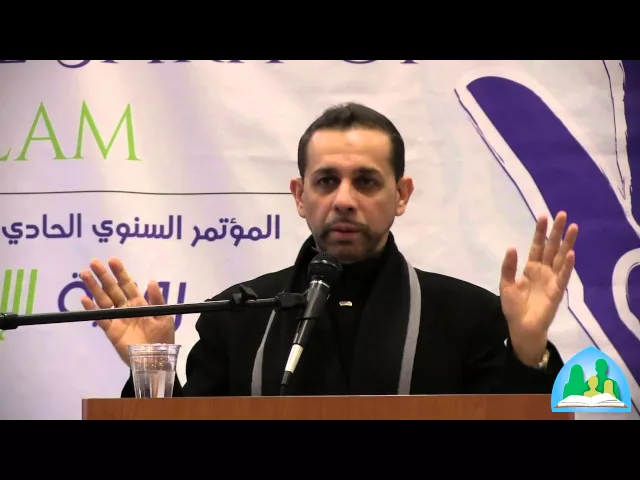
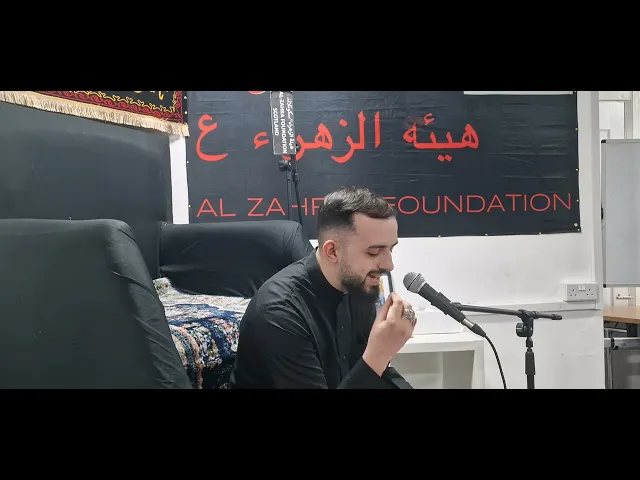
This is a lesson from a series of lessons conducted by Hamam Nassereddine @ Mahad Rasul in Imam Hussain Foundation. The lessons focus on main events that took place throughout the life of the holy Messenger of God, Mohammed. (peace be upon him and his family).
Laat meer zien
Transcript
[0:26]um in our last lesson we mentioned multiple important points regarding searching
[1:00]for the truth meaning searching for the right religion what led us
[1:05]to this topic is the story of salman rahmatullah the story of
[1:09]salman's islam we said one main lesson we derive from the story
[1:16]of salman's islam was searching for the truth and sacrificing our time
[1:26]and energy in order to reach the truth we mentioned last week
[1:34]multiple important points regarding this issue the first one was the importance
[1:40]of taking our time when we are searching for the truth taking
[1:48]our time when we're reading books of belief and when we're absorbing
[1:54]or trying to absorb different proofs here and there that confirm the
[2:02]right beliefs it's very important to take our time and we mentioned
[2:08]why we mentioned that when a person rushes usually he falls into
[2:14]mistakes or the least we can say he'll be closer to falling
[2:18]into mistake whereas when a person takes his time he takes the
[2:27]right decision or he's closer to taking the right decision and coming
[2:34]to the right conclusion we gave multiple examples regarding this point one
[2:40]of those examples pertain to what you hear in um in society
[2:47]when someone for example comes to you and informs you that a
[2:53]specific friend of yours who is a believer and who's pious did
[2:59]x y and z he did a bad deed and the bad
[3:05]deed is so and so he mentions the body to you now
[3:07]you know this person is what is pious this person is a
[3:11]good person and usually he wouldn't do something like this here we
[3:15]said you have two options the first option is to rush as
[3:19]in to rush into believing what you've heard if you do that
[3:24]it is very likely you will be be oppressing yourself and that
[3:30]individual as you'll be believing a lie it's very likely that the
[3:38]words that have been said are not true the words that have
[3:41]been said aren't true and by rushing into accepting these words you'll
[3:47]be accepting what accepting a lie hence you'll be falling into a
[3:53]mistake whereas the second option is to take your time not to
[3:58]rush when we say take your time either we mean you take
[4:02]your time and you verify what has been said to actually see
[4:08]whether it's true or not or you completely disregard what has been
[4:13]said and you don't even pay attention to it the main point
[4:17]behind this example was to help us understand the importance of what
[4:22]not rushing and how rushing might lead a person into mistakes and
[4:29]or sins now bear in mind that when such an occurrence takes
[4:36]place someone tells you that fulan the person you know the person
[4:40]who is your friend who is pious and is faithful did so
[4:43]and so or have you heard what happened with fulan we saw
[4:47]him doing x y and z when you hear such words it's
[4:51]very important to do what to take your time now in certain
[4:56]cases it would be best to completely disregard what has been said
[5:02]meaning it would be best to not even look into the issue
[5:06]whereas in other cases it would be best to verify whether these
[5:11]words are true or not so depending on what's being said depending
[5:17]on the circumstance sometimes it's better to just ignore to to kind
[5:25]of um to go on with your life without actually verifying if
[5:30]what has been said is true or not and sometimes no it's
[5:34]best to actually look into the issue and see whether it's true
[5:40]or not i'll give you an example pertaining to each case let's
[5:43]start with the first one this is of course new material we
[5:47]did not mention this last week or the week before um let's
[5:53]start with the first scenario the scenario pertaining to ignoring what's been
[5:59]said completely ignoring what you heard imagine if someone came to you
[6:04]and told you your brother fulan my brother i mean brother in
[6:10]faith or your sister fulana my sister i mean sister in faith
[6:14]your brother said so and so about you this brother of yours
[6:21]backbit you in your absence he revealed one of your hidden defects
[6:27]we were in a gathering together and he backbit you here what
[6:33]are you supposed to do are you supposed to believe what this
[6:36]person said or not we're told through the traditions of that such
[6:46]a person should not be believed this is the general ruling or
[6:50]the general principle you shouldn't rush into believing him why because he's
[6:57]a man he's doing nanima i'm pretty sure you've heard about this
[7:01]riba and namima riba is backbiting namima a form of namima namima
[7:09]has different forms but one of its forms is basically transporting the
[7:16]riba to the person who was backbit so one person backbites another
[7:22]and the one who hears the heebah he transports it he takes
[7:27]those words to the person who was backbit and he tells him
[7:30]said x y is that about you fulan revealed your hidden defect
[7:37]this is namima it's reba's sister or cousin it is haram major
[7:44]de haram similar to riba and so alibaba tell us in such
[7:50]cases you should not believe then imam because then imam himself is
[7:53]what is by doing that he is disobeying allah subhanahu wa'ta'ala and
[8:00]allah told us in the quran that when a fascic when a
[8:03]disobedient slave brings us important news we should not rush in believing
[8:11]what he says rather we should verify what he says we should
[8:17]see whether it's true or not so in this case it would
[8:22]be best not to trouble yourself and to actually investigate to see
[8:29]whether your brother in faith spoke about you in your absence or
[8:34]not meaning he spoke about you in a negative manner or not
[8:36]it would be best to just ignore it forget about it because
[8:40]this person's a faso who says that what he said is actually
[8:44]true this is a case where ignoring the word would be better
[8:54]it is narrated that this happened once to amir al-mu'min a person
[9:02]came to him and he told him that another individual was talking
[9:08]badly negatively about imam ali so how did imam ali respond the
[9:16]tradition i will share with you is found in bihar anwar the
[9:22]imam said the following let me just pull it out and give
[9:28]it to you yes it is narrated that someone came to imam
[9:55]ali and he was telling him that there was another person a
[9:58]third person who was you know talking negatively or badly about amir
[10:03]al-mu'min firstly he told him oh you who stands before me we
[10:17]shall ask about what you said realize whether what this person said
[10:26]is true or not he's the imam of knowledge he has knowledge
[10:30]of these things of all things with allah's permission of course with
[10:33]allah's permission so he knows but even then he wants to teach
[10:37]us a lesson don't rush into believing what you hear from people
[10:43]when they come and tell you that other people are talking about
[10:49]you verify you know take your time don't rush into believing what
[10:53]they say oh he who stands before me we shall ask about
[11:00]what you said if you are truthful if it happens to be
[11:11]that you've said the truth then we will despise you but why
[11:16]he said the truth why would you despise him he says we
[11:23]will despise you why because he wasn't supposed to do that yes
[11:26]what he said was true but he wasn't supposed to do that
[11:30]when someone backbites someone else you're not supposed to transport the riba
[11:35]to the person who was backbit rather put an end to the
[11:41]riba in that gathering but if it appears that you are lying
[11:48]then we will punish you why well obviously because he lied right
[11:52]he lied and so he deserves punishment then the imam said but
[12:01]if you want us to pour in you we will pardon you
[12:05]so the man said what he said okay man of the faithful
[12:12]pardon me khalas i've learned my lesson and i will not perform
[12:18]this deed once again so the imam salah is teaching us in
[12:26]this hadith that um in such cases one should not rush in
[12:33]believing what he is told and he's also teaching us that if
[12:38]someone hears the riba he should not transport it to the person
[12:44]who was backbit so this is a case where you know forgetting
[12:50]about the issue disregarding it would be better then again there are
[12:57]cases where um where you need to verify what's being said because
[13:03]what you're being told is an important thing an important matter you're
[13:09]being told that someone for example is doing something dangerous something that
[13:16]could lead to his doom in the hereafter or maybe even in
[13:21]this world for example you're told that your own son is dealing
[13:27]with mafias right here this piece of news might be wrong it
[13:34]might be a lie but if it's true then that means your
[13:36]son is putting himself in what in danger in a great amount
[13:42]of danger danger pertaining to the hereafter number one and to this
[13:45]world number two so here it would be wise to actually verify
[13:51]if what's being said is true or not because if you disregard
[13:56]it it is possible that you will be you know uh it
[14:01]is possible that your son will will lead himself to a great
[14:05]amount of harm when you could have done what when you could
[14:10]have exerted some effort to actually uh protecting him from that harm
[14:17]or for example you're told that one of your relatives is say
[14:23]doing drugs we know that drugs are very dangerous right they affect
[14:29]this world they affect your current life before affecting your hereafter before
[14:35]affecting your life and the hereafter so here if you're told your
[14:40]son or your cousin or your brother for example is doing drugs
[14:44]it would be important to look into this issue to verify whether
[14:47]this is actually true or not why for the sake of protecting
[14:54]that individual so what i wanted to say today is that in
[14:56]some cases it would be better to disregard what's been what's being
[15:03]said and in some cases it would be better to actually look
[15:05]into it and verify whether this is true or not in short
[15:10]taking our time is important rushing leads to what to mistakes so
[15:16]this was one of the essential points we mentioned not last week
[15:21]the week before the week before because last week unfortunately we did
[15:25]not have class the second important point we mentioned regarding searching for
[15:33]the truth uh acquiring the right beliefs is taking this issue step
[15:41]by step by reading the books that correspond with our level of
[15:47]understanding and with our level of knowledge we said that we have
[15:54]a lot of books of beliefs alhamdulillah but these books of beliefs
[16:00]are at different levels some books are quite difficult to understand when
[16:05]read by the average layman some books might be difficult to understand
[16:09]by even scholars and so it's very important that when when a
[16:14]person is reading books of beliefs or philosophical books or theological books
[16:21]it's important that he tackles the book that corresponds with his level
[16:28]of understanding and his level of knowledge because if he reads books
[16:35]that contain content that exceeds his level of understanding or level of
[16:41]knowledge he might misunderstand that content and by misunderstanding it he might
[16:48]come to the wrong conclusions to the wrong beliefs thinking that these
[16:52]conclusions are the right conclusions thinking that these wrong beliefs are the
[16:56]right beliefs and here he'll be in great trouble i'll tell you
[17:02]that i've seen this with my own two eyes i've seen some
[17:06]of our youth unfortunately they've led themselves into major fallacies major mistakes
[17:14]regarding beliefs which belief the belief in tawheed the belief in allah's
[17:22]existence and allah's oneness they've led themselves to major fallacies regarding allah's
[17:27]tawheed subhana allah's oneness why simply because they read the wrong books
[17:34]they tackled books that scholars have difficulty understanding let alone the average
[17:45]layman this is not a game right it's not a game someone
[17:47]might take this lightly but it should not be taken lightly it's
[17:51]not a game you know playing with your beliefs is not a
[17:59]simple matter beliefs the beliefs of a human being or to be
[18:05]more precise believing in the truth is one of the two pillars
[18:09]needed to be saved and the hereafter so if someone corrupts his
[18:15]beliefs he's basically uh sealing his fate in the hereafter he is
[18:25]sentencing himself sending himself to fire and he's sealing his fate he's
[18:29]not giving himself the chance to actually be saved from hellfire if
[18:36]he corrupts his beliefs today inshallah we're going to continue with uh
[18:46]important events that happened after us migrated we said up until now
[18:56]one of the important events that happened after migration was building the
[18:59]mosque in medina the medany mosque which is also called masjid and
[19:07]nabi the prophetic mosque and it is the mosque in which rasulallah
[19:11]and amir al-mu'min used to live the houses of rasulallah and the
[19:17]house of ali and fatima were part of the mosque of the
[19:22]prophet sallallahu alaihi they were allowed by allah to live in the
[19:31]mosque because they are pure and purified by allah the likes of
[19:38]me and you we cannot be in the mosque 24 7 because
[19:42]in certain cases we go through cases of spiritual impurity spiritual impurity
[19:50]right whereas they're pure and purified so they can stay in the
[19:58]mosque 24 7.
[19:59]it does not matter because they're purified they're they're pure and they're
[20:06]purified by allah subhanahu wa so they used to live there the
[20:17]mosque the the prophetic mosque is also the mosque in which rasulallah
[20:23]was buried so today you'll find the grave of the holy prophet
[20:28]sallallahu alaihi in that mosque in that mosque now according to say
[20:32]jafar jaffar one of our greatest who dissected the biography of rasulullah
[20:42]and wrote a sahih min and nabi sallallahu alaihi to his research
[20:50]rasulullah was buried in the house of ali and fatima i just
[20:58]wanted to mention that so this was one of the important events
[21:01]we mentioned it before if you remember we mentioned certain details regarding
[21:06]this event a second event was the event of muafat which led
[21:09]us to speaking about abu dharr and salman and how they entered
[21:16]islam and the third event was the prescription of adhan and iqamah
[21:19]the prescription of adhan and iqamah during the first year after migration
[21:26]adhan and iqamah were prescribed by allah does that mean there was
[21:33]no such thing as salat before migration this is a question actually
[21:39]it's a good question right the answer is no there was salat
[21:43]salat was present even during the mecchi days for if you look
[21:48]at the quran the quranic verses and you look at the meki
[21:54]chapters or the metki verses and if you look at islamic history
[22:00]and or the traditions of you will realize yes there was something
[22:05]called salat there was a salah rasulullah from the beginning of islam
[22:15]meaning from the from the days he began propagating islam he used
[22:21]to pray sallallahu alaihi sallam in fact he used to worship allah
[22:25]even during the days of jahili but right now i'm focusing on
[22:27]what on the period of islam he used to pray and two
[22:32]very special people would pray with him the first was allah would
[22:51]see them praying uh for allah so salah was present but adhan
[23:00]and ekama what we call adhan and akama these two recommended deeds
[23:05]were prescribed after migration during the first year of migration the question
[23:12]is how are these two important deeds prescribed how this is where
[23:20]you find a great difference a major difference between the shia school
[23:24]of thought and the sunni school of thought let me start with
[23:29]the sunni school of thought with all due respect to our brothers
[23:33]sunni brothers and sisters the sunni school of thought says that basically
[23:41]a man saw a dream a man amongst the muslims saw a
[23:52]dream and in his dream he heard the adhan so when he
[23:54]woke up he told rasulullah about the adam and rasul allah commanded
[24:02]the muslims to do what he commanded them to perform adam so
[24:05]from that day and then was prescribed so based on this theory
[24:13]what do you realize realize that an important islamic law which is
[24:21]the istahbab of adhan right an important islamic law an essential islamic
[24:29]law pertaining to salat was based on what was based on a
[24:37]dream the dream of who of a fallible human being see if
[24:41]the narration said that the dream was seen by rasulallah that that
[24:48]would not be a problem why because rasulullah is a prophet and
[24:53]the prophets their dreams are what they are real dreams their dreams
[24:58]are hosh the proofs from allah every dream seen by a prophet
[25:03]has a meaning it has a meaning off on one sentence so
[25:15]we said that the dreams of the prophets are what their real
[25:20]dreams they contain messages from allah hence wanted to slaughter islam how
[25:26]did he know allah wanted him to slaughter his son through a
[25:32]dream right through a dream allah revealed the message to ibrahim through
[25:38]his dream so had the sunni tradition said that rasulallah saw the
[25:44]dreams of allah it wouldn't be a problem but the problem is
[25:50]the hadith said a fallible person saw the dream then he told
[25:56]rasulullah about it and the prophet salallahu alaihi told the muslims to
[26:00]perform which seems to be saying these seem to be saying that
[26:06]basically rasulallah rasulallah is in need of these fallible human beings to
[26:11]be taught his own religion that does not make sense it does
[26:17]not make sense especially that rasulallah was connected to allah allah would
[26:22]communicate to the prophet using jabra in fact in certain instances allah
[26:28]communicated with rasulallah without the presence of not sure if you remember
[26:37]this we said it when we were talking about maharaja on the
[26:40]night of the ascension rasa reached a certain point where jabra could
[26:45]not continue the journey with him he had to continue the journey
[26:50]on his own and after that point after he began or sorry
[26:57]he continued the journey on his own allah revealed certain messages to
[27:00]rasulullah but there was no jabra at that point telling rasulallah allah
[27:10]says abc to you ya rasulullah allah says one two three was
[27:14]not there so there was direct communication between allah and the prophet
[27:21]how possibly allah created a voice or possibly allah inspired rasulallah and
[27:26]so he knew what allah azzawajal was telling him so long story
[27:32]short if allah why would the prophet be in need of a
[27:39]dream of a fallible human being to prescribe an islamic law that
[27:45]does not make sense this is what the sunni school of thought
[27:49]says as for the shia school of thought the school of thought
[27:55]of salam it says otherwise refuted this idea they refuted this theory
[28:06]saying that adhan is based on a dream of a fallible human
[28:10]being they said no we won't accept that and then was prescribed
[28:17]by allah and it was brought down upon rasulullah similar to the
[28:25]rest of the islamic laws that were brought down upon the prophet
[28:28]salallahu they came from who from allah but how do we have
[28:56]details yes we do we have uh lots of traditions on this
[29:01]regard but i'll mention a few we don't have time to mention
[29:03]all the traditions we'll mention a few just to give you an
[29:06]idea of these traditions that speak about adan and ikama and how
[29:12]these two important deeds were prescribed let's start with a hadith allah
[29:28]by the way for those of you who don't know is buried
[29:32]in tus in the city in which buried but he was a
[29:40]harmony he was from was from the southern part of lebanon and
[29:44]was from the greatest shia scholars so he says in his book
[29:50]which is a secondary source by the way citing primary sources that
[29:55]muhammad ibn meki a shaheed the first marcher one of our scholars
[30:03]was called or what was called the the first martyr a shahid
[30:05]his name was muhammad allah in his book he mentioned [Music] he
[30:13]mentioned what is it seems that the person who saw the dream
[30:29]according to the first theory his name was so according to sunni
[30:36]hadith his name was right um and they say he saw the
[30:42]dream in which he heard that now this man existed there was
[30:47]a man called abdullah bin zayed thus imam but but what does
[30:53]he do in the book it is mentioned that imam saw the
[30:59]cursed a group of people who claim that the prophet took the
[31:03]adhan from abdullah he said revelation descends upon your prophet he's addressing
[31:24]the muslims who you know accept this theory he said revelation descends
[31:31]upon your prophet yet you claim that he took the advantage as
[31:37]if the imam wants to say why would he be in need
[31:44]of abdullah when he is getting his guidance from allah through and
[31:51]or other means why this is one tradition a second tradition found
[32:03]in the book which is also a second secondary source citing the
[32:14]primary sources says the following let me just send you the hadith
[32:20]before we continue dimensions that and he was asked about what people
[32:49]say regarding adam meaning how people say that abdullah bin zayed saw
[32:55]a dream in the dream he heard adhan and then he told
[32:57]rasulullah about the dream and so rasulullah prescribed and then so he
[33:04]said and hussain said what is the imam said the same word
[33:18]that is or it's actually the other way around imam saluk said
[33:22]the same word that his grandfather hussain said he told them allah
[33:28]brings down revelation upon the prophet upon your prophet yet you still
[33:37]claim that that uh the adhd was taken from abdullah ibn saying
[33:43]then he said here the imam wants to tell us from where
[33:53]did adhan stem from where did it come from where did it
[33:57]come he said my father i heard my father when the prophet
[34:22]ascended the skies so he's taking us back to the night of
[34:27]ascension he says when the prophet ascended the skies allah brought down
[34:34]an angel what did that angel do that angel performed adhan and
[34:47]akama in front of rasulallah he performed at the end when he
[34:53]performed and then he repeated the segments of adhan twice so he
[34:59]said for example allahu akbar twice [Music] these are the segments of
[35:24]adhan one might say where is ash what are you law i
[35:30]testify that ali is the guardian appointed by allah subhanahu wa'ta'ala after
[35:35]the prophet sallallahu alaihi where is that testimony we say we shall
[35:43]say that testimony is a testimony of truth but it's not part
[35:50]of the mandatory segments of adam yes according to certain jurists according
[35:58]to our jurists it is recommended to say ash after saying it's
[36:12]recommended to say it hence the shia say it in any comma
[36:18]but we don't believe that it is what part of the mandatory
[36:24]segments of at the end of the day we said this before
[36:27]and we'll say it again not every testimony of truth must be
[36:34]part of the mandatory segments of adam see one might say if
[36:38]believing in ali and believing in his authority in guardianship is so
[36:45]important then why does allah not mention it why isn't it part
[36:51]of the mandatory segments of adam our reply to that is well
[36:54]number one we shall see in a bit that allah azzawajal did
[37:01]mention dawilaya the authority and guardianship of ali ibn abi talib implicitly
[37:08]in addan it is mentioned implicitly in addam there is a mandatory
[37:14]segment of adhan which does point to the of in a bit
[37:20]i'll tell you which segment that is but it's mentioned what implicitly
[37:27]not explicitly as in it's not mentioned using the words it's mentioned
[37:35]implicitly that's one number two number two our response is not every
[37:40]belief of truth has to be part of adhan or else there
[37:49]are several correct beliefs there are essential beliefs essential beliefs in islam
[37:58]but they're not part of adhan as in they're not mentioned in
[38:05]adhan explicitly such as believing in the quran you don't have a
[38:09]segment in adam which says but who dares to say amongst the
[38:18]muslims that the quran is not the book of allah such as
[38:20]believing in the day of judgment or the hereafter that's a must
[38:25]you cannot be a muslim if you don't believe in the hereafter
[38:28]especially if you don't believe in the day of judgment al-yawmil the
[38:33]last day you have to believe in it tell me where is
[38:37]the segment in adam which says there is no segment which says
[38:47]that yes the belief in the quran and the belief in the
[38:50]day of judgment are implicitly mentioned when you say ash i testify
[38:58]that muhammad is allah's messenger the same applies to what believing in
[39:04]and specifically believing in their authority imam ate in guardianship all of
[39:12]that is mentioned implicitly when you say ashadu and it's also mentioned
[39:20]implicitly in another segment which we shall mention soon in sha allah
[39:24]subhana wa so the third is not part of the mandatory segments
[39:34]of adan and iqamah but it is recommended to say it after
[39:38]saying rasulullah in later on inshallah in the future if you guys
[39:51]would like we can mention we can have a class about the
[39:53]third shahadah the third testimony and mention its details in in detail
[40:02]we can mention you know important issues regarding this testimony why it
[40:10]should be sudden adhan akama etc in detail if you would like
[40:14]so the hadith let's go back to the hadith that angel repeated
[40:21]the segments of adam repeated each segment of adam twice when he
[40:26]did the ikara what did he do he did the same he
[40:31]repeated the segments of ikama twice so he said allahu akbar right
[40:52]now there is one issue here with with this hadith or in
[40:58]better terms there's a question that comes to mind in ikama the
[41:01]last part of ikama is what and uh we are taught to
[41:11]say once to say how many times when you finish once not
[41:19]twice here the hadith is saying which literally means that the angel
[41:25]repeated the segments of iqamah twice so how do we solve this
[41:35]issue doesn't this hadith indicate that we should say twice in salah
[41:41]ah sorry before salah when we're doing ikama the answer is well
[41:52]adhan and akama were prescribed by allah right and allah subhanahu wa'ta'ala
[42:00]through rasulullah taught us how to do adhan and akama we have
[42:06]traditions indicating that the last part of ikama is and that this
[42:14]part should be said once should be said once and so it's
[42:20]possible that when imam al-hussein says he means that most of the
[42:30]segments of ikama most of the segments were repeated twice although the
[42:34]last one was only said once in clearer terms possibly here is
[42:43]generalizing he's not you know giving you the full detail of ikama
[42:49]but he's telling you in general that angel did what he repeated
[42:53]the segments twice because yes every segment in the comma is repeated
[42:57]twice except for the last one you only say it once so
[43:02]you can say uh from a literal perspective you can say he's
[43:08]generalizing this is one answer to that question let's continue the tradition
[43:20]then the prophet told them told the prophet he said what ya
[43:24]muhammad you told them oh muhammad this is how avant the evan
[43:35]of prayer is performed so based on this hadith we understand that
[43:42]and then and uh that that adam was prescribed one on the
[43:47]night of on the night of the ascension we understand the hadith
[43:57]that adhan and akama were performed in front of rasulallah by a
[44:02]specific angel on the night of ascension and so the prescription of
[44:07]adhan and iqamah came not from a dream rather it came from
[44:14]allah subhanahu wa allah through the angels sallam now when he says
[44:25]here there are two possibilities number one he's referring specifically to adhan
[44:31]number two he's referring to adhan and ikama but using the word
[44:38]adhan because sometimes keep this point in mind sometimes i comma is
[44:43]also called adhan sometimes ikama is also called we said that we
[44:58]have traditions indicating that the last part of akama should be said
[45:02]once can you give us an example can you give us an
[45:06]example of these traditions yes let me share one tradition with you
[45:09]just to give you an idea of these traditions it is found
[45:14]in wasa in and it actually is the first tradition in the
[45:23]chapter of how to perform adhan and ekama the narrator called ismail's
[45:44]foreign the segments of adhan and akama uh sorry adhan and akama
[45:53]consist of 35 segments 35 segments the narrator says that the imam
[46:11]began counting the segments with his fingers so possibly he was saying
[46:14]the segments and counting them with his fingers or he was just
[46:17]making a gesture with his hands and fingers indicating that indicating that
[46:22]he's counting the segments so he says consists of what 18 segments
[46:36]the imam told him that the adhan consists of 18 segments [Music]
[46:50]and he told him that the e-commerce consists of 17 segments let
[46:56]us look at the segments together in adhan you say allahu akbar
[47:03]twice then you say again allahu akbar twice then you say allah
[47:07]twice those are how many segments ten right ten segments then you
[47:19]say twice allah twice those are eight segments so ten plus eight
[47:32]eighteen in ikama you say allahu akbar twice twice akbar twice those
[47:53]are how many segments six so now we have 16 and you
[48:00]say once those are 17 segments 18 17 35 equals could be
[48:26]part of the imam's words as in he said this or it
[48:31]could be part of the narrator's words meaning he's saying that the
[48:35]imam told me that adhan and ikama consist of 35 segments and
[48:41]he counted the segments with his fingers right and the result of
[48:46]that counting was what was that the adhan consisted of 18 segments
[48:51]and the other uh the comma consisted of 17 segments the result
[48:56]is one it's the same result but i just wanted to mention
[48:59]this issue that the word al-adhd could be part of the imam's
[49:08]words he actually said this or it could be part of the
[49:10]narrator's words he was basically telling you what was the conclusion of
[49:14]um the conclusion of that dialogue between him and the imam now
[49:28]we said we said that in one of the mandatory segments of
[49:35]adhan and the ikama of both adhan and ikama the guardianship and
[49:43]authority is mentioned implicitly which segment is that it is one might
[50:10]understand that when we say we're telling people come to the best
[50:14]deed meaning salat right no albeit this is the words these are
[50:24]the words of advaith not me tell if it's accepted the rest
[50:33]of your deeds are accepted if it's rejected the rest of your
[50:36]jews are rejected but even then salat has its own pole it's
[50:41]a pole and it has its own pole or its own pillar
[50:45]the pole or the pillar of salat will be more important than
[50:50]salat because without it salat will not be accepted the pillar of
[50:54]salat in fact the pillar of all of your good deeds is
[50:59]what believing in the guardianship and authority of salah such that we
[51:08]have traditions explicit traditions saying allah says that he will not accept
[51:13]the deeds of a worshiper if he does not believe in the
[51:20]authority and guardianship of allah instead of it being a call towards
[51:39]salat you're calling people towards believing in the guardianship and authority of
[51:49]again the traditions of confirmed this meaning they confirmed that when we
[51:56]say we're calling people towards next week inshaallah if we're still alive
[52:06]i will share a tradition with you that confirms what we just
[52:10]said i wanted to mention it today but we don't have more
[52:14]time alhamdulillah foreign
0 Comments
sort Sorteer op
- Top Reacties
- Laatste Reacties
Volgende
10 Bekeken · 24/10/06
11 Bekeken · 07/01/29
10 Bekeken · 22/05/25