

Up next
7 Views · 21/12/07
10 Views · 24/11/14

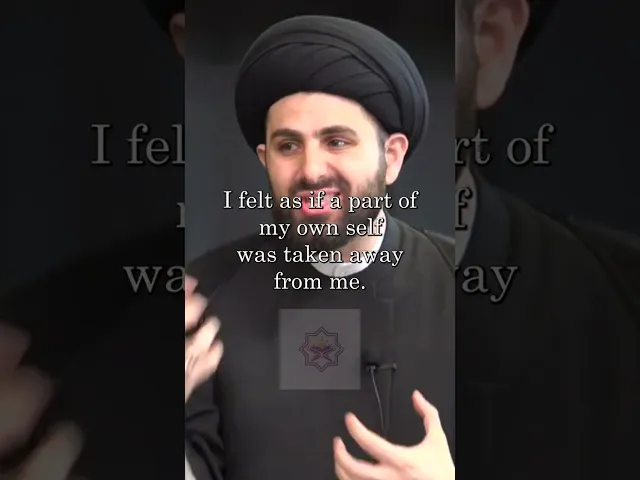
4- Arabic Grammar - Subject and Direct Object - Sayed Mohammad Baqer Qazwini
0
0
18 Views·
24/07/19
In
Lectures
Arabic Grammar, offered in 2017-2018, is now available to take online at Al-Hujjah Islamic Seminary. The first five classes are available to view as a demo to get an idea of how the course is instructed. To register for this class, see all class videos, and take the exams, visit hujjahseminary.com. For any questions, email us at [email protected]
Show more
Transcript
[0:04]audhu billahi min as-shaytan ar-rajim bismillah r-rahman r-rahim al-hamdu lillahi rabbil aalameen
[0:14]sal allahu allah sayidina muhammadin wa ala nabina by hearing lama salli
[0:21]ala muhammad wa ala muhammad and the previous courses we discussed the
[0:28]three types of verbs that we have in the arabic language we
[0:36]have the past tense verb which we call alpha el al mahdi
[0:40]we have the present tense verb which we call al Madara and
[0:47]we have the command verb or the imperative which we call feral
[0:52]um just to recap and feral al-mahdi in its simplest form will
[1:00]carry the Fattah and it will usually be in this form vahana
[1:06]now this middle letter here could be different could be Father like
[1:14]sherry be' it could be fowler like bowser for now let's just
[1:21]stick to this basic form so this is the past tense and
[1:25]this is the simplest form then we also have the present tense
[1:36]and Farrell Madonna which comes in this form yeah ah do that's
[1:43]the most common one so you see that this one has a
[1:49]fat hi this one has a bummer there are some variations in
[2:04]different forms but this would be the most common simple form and
[2:08]then number three you have a little um which is if an
[2:18]ageless shrub it is mezu Joseph so you will find that the
[2:21]ending is a sukoon and this is what we call an imperative
[2:30]so these are the three basic forms of a verb in the
[2:33]Arabic language it's very simple it has some variations but for now
[2:40]at the basic level we have these three common forms fala yeah
[2:45]FAL and the helices vamos or Y value or F an a
[2:54]shrub for example odorous we see that the end is much zoom
[3:02]and mezu means that it's a consonant it's a sukoon so these
[3:06]are the three basic types in the future we will examine them
[3:11]at a deeper level examine some circumstances some more rules about this
[3:17]but for now this is all what we need to know any
[3:21]questions about these before we move to the file to the subject
[3:24]do you have any questions about these verbs yes okay so in
[3:36]that case if you're giving a command to more than one person
[3:43]you're using the plural form it would still be much soom but
[3:47]the sign of jism will be different we will use the plural
[3:55]pronoun and that plural pronoun when it comes in the form of
[3:57]a fairly a more it becomes module we'll talk about that later
[4:04]once we examine the singular the dual and the gem the plural
[4:08]we'll examine that later so if you were to say for example
[4:15]a schlub if you want to make this gem you would add
[4:18]the WoW and the noon now initially it's a schwa boon because
[4:25]the plural is wow and the noon but because of the J's
[4:27]in the noon falls it becomes a shabu just the Wow we'll
[4:31]discuss that later for now let's stick to the singular to understand
[4:37]the basic idea then later when we examine the singular the dual
[4:41]and the plural we'll see how all this will be affected by
[4:44]that for now we're just keeping it at a basic level for
[4:49]this singular any other questions about these verbs that we have so
[4:55]these are the three verbs that we have in Arabic let's now
[5:06]turn to page 21 and start by examining the file the file
[5:10]is the subject when you have a subject in any sentence that
[5:21]is called the file now the file in Arabic is Mar for
[5:25]what doesn't matter for me more for means that the ending will
[5:34]be a bummer so whenever we have a file which is the
[5:42]subject of a verb it is more fool which means you have
[5:54]that llama so the ending of a file will be a bummer
[5:59]generally speaking now we call this the nominative case if you want
[6:10]to translate more for for the file in English you will call
[6:14]this a nominative case which means that you have a subject here
[6:23]a noun that is more for so the linguistic translation of Myr
[6:26]for the nominative case so a far and always has the nominative
[6:30]case which means it's more for and the sign of that love
[6:36]is the llama if it's singular of course if you have plural
[6:40]then it takes on it takes different signs but in Arabic they
[6:45]say it's mother for a while a matter of a year bummer
[6:47]the sign that indicates this is myrfor is the llama so it's
[6:54]a nominative case because you have different types of cases when you
[7:01]have a preposition like fee in fee is in in English right
[7:08]what's the halacha that comes after it the module it's the Kessler
[7:11]right what do we call this in English in English if you
[7:13]want say module this would be for example the genitive case we'll
[7:20]talk about that later the genitive means the module the man saw
[7:25]is the accusative case we'll look at that for now the amar
[7:31]for is just the nominative case let's write that so we can
[7:36]remember so the Ammar for the fire and is always more for
[7:53]it has that nominative case and it's usually the subject of a
[7:58]verb let's look at some of these examples example number one farah
[8:04]naaz fool where's the verb here the verb the action that happened
[8:10]para what does it mean it means to fly now is this
[8:17]Mavi Marmara or AA more mathy how did you find out it's
[8:21]mathy exactly there are no signs of nevada which were the letters
[8:29]of nevada that we talked about the four letters and if ya
[8:34]ha neun you don't see them there right so that means this
[8:41]is an indication that this is a past tense verb now if
[8:45]you put the hot I care in my addition there's no how
[8:50]I care but it's alright there's a fat hat on the are
[8:53]when you see that fat hi that's also an indication this is
[8:58]which type of verb at some past tense verb it's a ferrule
[9:02]mathy because the ferrule Molly carries the fatah whereas the ferrule melara
[9:07]carries which have occur the vomer and the fairly armored the imperative
[9:13]carries which are occur the sukoon it's module so para nós furrow
[9:20]you see a nose for ooh there's a bomb at the end
[9:23]why because it's the file it is the subject of that verb
[9:30]para to fly is a verb this verb has a subject what
[9:35]is the subject here the bird and as for ou means the
[9:37]bird so the bird flu now in English you usually get this
[9:45]subject we're first in the beginning of the sentence then you get
[9:49]the verb the bird flu and Arabic it's the opposite you get
[9:54]the verb first and then you get the subject parle oz food
[9:58]Oh so if you want to literally translate that it would be
[10:04]flew the bird right sounds odd but that's how these languages work
[10:09]let's look at the third example Larry Bell what I do what
[10:15]does live I mean plane what type of verb is this Marlee
[10:22]how do we know what is there is there a sign how
[10:24]do we know this is a felon Molly the fat ha and
[10:30]it doesn't have the signs of fanon amor or Pharrell Madonna lab
[10:34]amines played and what I do is the subject here the boy
[10:41]played and we see that the ending is a llama en el
[10:48]burro to number five yells ow is that a verb is that
[10:52]a noun is that a proposition let's say verb what type of
[10:56]verb Nevada how do we know what's one a llama one sign
[11:01]you have the right when you see a verb starting with yeah
[11:08]that is an indication this could be muara right so you see
[11:14]one of the signs of Nevada and you have that llama at
[11:16]the end because and final milada is more for it carries a
[11:21]vomit at the end that's an indication this is a present tense
[11:25]verb so yes what does yellow mean in Arabic to sting and
[11:31]Borrowed what's the borrowed Allah mentions in the Quran the mosquito so
[11:37]the mosquito stings alvaro here is the subject of the verb to
[11:43]stink right so that's why it is myrfor and at the end
[11:49]it carries the bombuh let's look at the last example number six
[11:53]Kunlun bin to tell you is which type of verb at samovar
[12:00]a present tense verb how do we know what was the sign
[12:06]top one of them is that hesita it one of those four
[12:10]letters and number two is what nobama when you seen the bum
[12:15]on a verb know that this is a present tense verb whenever
[12:17]you see a llama on a verb automatically know this is muara
[12:25]this is a present tense verb so it's very clear all we
[12:28]need to memorize at this point that Alma vara has the llama
[12:34]it's more for the Molly the past tense verb has the feta
[12:38]and the fennel amor has the sukoon because it is met soon
[12:45]so these are easy ways for us to distinguish between these types
[12:50]of verbs so if you go down to the box al-qaeda the
[12:57]general rule it says and find what is the subject in Arabic
[13:00]l5 it's one number one it's a noun the subject can never
[13:06]be a verb right it has to be a noun number one
[13:08]mother for on it is always in the nominative case it is
[13:17]mother for that damn aloof Ellen took that Demma who means it
[13:23]is preceded by a verb so in the Arabic language you always
[13:30]have this subject first and then what the verb unlike English I'm
[13:34]sorry what did I say no in Arabic you always have the
[13:40]verb coming first and then the subject in English you have it
[13:44]the opposite always the subjects coming first and then the verb so
[13:48]that Demma who Fairlawn it is preceded by a verb the verb
[13:57]comes and then the file what a levy final fill the fire
[14:01]and the subject is that which did the action which did the
[14:09]verb so that's the fire in arabic there are many other rules
[14:12]we'll discuss them in the future for now we just want to
[14:17]be familiar with the file so it's the noun that is doing
[14:18]that action doing the verb at after the verb and it's myrfor
[14:26]and the sign of refer is usually the llama so this is
[14:30]the fire let's now flip the page to page 24 and go
[14:34]to the MFO will be if you don't have the book you
[14:40]can just follow with me we'll have the books by tomorrow inshallah
[14:43]the muff old be he in arabic we call it the direct
[14:52]object it is the object of the verb whenever you have a
[14:55]verb and you have a subject usually that verb will take an
[15:07]object we call this a muffin b which is the direct object
[15:16]of the verb now this muffle will be he in Arabic it
[15:21]is monsoon monsoon if you want to translate it into English linguistically
[15:28]grammatically it's called the accusative case the farm what case was it
[15:36]nominative case v ma food B he is the accusative case and
[15:47]what is the sign of the man soup the sign is a
[15:57]Fatah sign he calls Fatah usually that's the sign so when it
[16:02]came to the file it was in the nominative case it was
[16:08]myrfor and the sign of the Roth was dama whereas when it
[16:12]comes to the object of the verb them of lb he it
[16:17]is in the accusative case meaning it's month soup and what is
[16:23]the sign of this accusative case what is the sign of the
[16:27]nos it's the Fatah so this is the muffle be let's read
[16:33]some of these examples so this becomes clear to us number one
[16:38]shed that tell me the habala shed is what what type of
[16:49]verb it's a past tense verb how did we know Angela Fattah
[16:54]you see it ending with a Fattah automatically no it's one it's
[17:00]a past tense purpose at tell me though what does the tell
[17:04]me mean the student the student here is what it's the subject
[17:08]it's the file what is the sign of it at the ending
[17:13]it's not on much so it's more for so the past tense
[17:20]verb is shed at tell me who is the subject here which
[17:28]is the student now what does shed them in to tie or
[17:32]fasten okay so that tell me if the student fastened what did
[17:41]he fastened what did he tie the rope and habala the rope
[17:44]here is the object of the verb you have the verb that
[17:50]action that took place you have the subject the one doing that
[17:53]verb which is the student and then you have the direct object
[17:58]so what did he fasten that fastening that tying occurred on what
[18:03]we call that them of old be the object of the verb
[18:08]now the object of the verb because it's in the accusative case
[18:11]and it it is monsoon it will carry a feta that's why
[18:17]if you look at the book and I Blair what does it
[18:23]end with it ends with a feta so when you see that
[18:25]it's ending with a feta that say scientists could be am of
[18:31]old being so the sign of aim of all be is usually
[18:39]a fatah is that clear let's take a look at some more
[18:44]examples number three I can a the bullsháá Ruffa akela eight what
[18:50]type of verb is this past tense how do we know look
[18:57]at the fat hat and you'll realize that it's a past tense
[18:59]verb and the wolf it is more for because it's the file
[19:09]it's the subject so the wolf ate ate one it needs an
[19:18]object the direct object is alpha rufa the Sheep so the wolf
[19:22]ate the Sheep the Sheep is muffled be he it's the direct
[19:28]object and what is the halacha of it that's the fat huh
[19:31]let's take another example here Yoruba Xhosa puja is at 10:00 yeah
[19:38]ba who is what type of word it's a verb what type
[19:45]of verb move on how do we know what's the sign that
[19:50]it's muara so we have the form at the end whenever you
[19:52]have a verb and you've got that llama at the end then
[19:56]you know this is a present tense verb as-salamu what does ascetic
[20:03]we mean the driver yeah Baha what doesn't mean to make a
[20:07]profit or to win it comes in several meanings one of them
[20:15]is to win one of them is to make a profit so
[20:19]yeah ba who is the farrell to win or to make a
[20:21]profit is this a Sabich or a saddle it's a sorrowful I
[20:26]read it a soluble as SAP equal means one see one letter
[20:33]will change the meaning the one who is either racing yeah the
[20:37]racer more accurately the racer so the one who is racing 1
[20:45]1 what is winning what jaw is eaten Jazza means a prize
[20:49]now you will see that Jessa is the direct object we call
[20:54]it the muffin will be so yeah but who is the film
[20:59]as Sabbath who is the far-end J is a tennis team of
[21:04]will be it's the direct object because what did he win he
[21:07]won the prize so that's the object of the verb to win
[21:13]we call this an English the direct object in Arabic we call
[21:18]it muffled B now what's the sign what's the ending here we
[21:21]have the Fatah now it's because it's we'll talk about this later
[21:25]because it's neculai it's an indefinite article it's a ten wean instead
[21:34]of saying JA is that Ted it's J is at ten we'll
[21:35]talk about that later but for now we just know now we
[21:41]just need to know that it's a Fatah let's take another example
[21:45]number six yeah beer or Lukas Abu llama yeah Bo is what
[21:55]type of word to sell so is it a present tense or
[22:01]past tense verb its present tense verb exactly and what is the
[22:06]Karaka at the end of the word yeah Bo it's not llama
[22:08]do you have the book okay so yeah Bao means to sell
[22:14]which is a present tense verb as you said now the alam
[22:19]and the sign of it you'll have a llama whenever you have
[22:21]that llama just know this is a present tense verb Sabu what
[22:27]does al Kassab mean the butcher so this is now the subject
[22:35]the subject of the verb yeah Bo to sell is the butcher
[22:38]now this is a mother for and what's the sign of Rafah
[22:43]at the end the llama okay the butcher sells what he's need
[22:50]to sell something and laugh man they meet the llama is the
[22:54]object its muffle be he what is the sign at the end
[22:58]you have the fatah because the muffler will be he carries a
[23:00]fatah so let's just write one of these examples for those who
[23:06]don't have a book just so we can see these three parts
[23:10]so yeah bo a noticeable a LACMA we see her that yeah
[23:34]bo is what it's the past tense verb the present tense verb
[23:44]and then we have Alta Sabu which is the subject and then
[23:51]a llama is the object so this is the file this is
[24:06]the file this is the muffle be accusative case basically means mun
[24:13]soup in arabic mum soup in arabic means it carries a Fatah
[24:18]that's pretty much what it means see when it comes to the
[24:28]muffled be he there is no past or present why because you're
[24:30]just dealing with a noun we're not dealing with a verb the
[24:36]object is always a noun it's not a verb when it comes
[24:40]to this one yeah we have the present we have the past
[24:43]we have the command when it comes to the verb part but
[24:48]when it comes to this the subject or the object there is
[24:50]no past or present so we just say that it is months
[24:56]OOP the accusative case and the Alana is the Fatah that's what
[24:58]it means and then the file because it has the vomer it's
[25:04]called Mar for and Arabic Mar for means nominative case that's what
[25:09]it means so nominative basically is always referring like to a subject
[25:17]that you have the accusative case it's also a noun right but
[25:25]it's the object of a verb it's not just any noun it's
[25:28]a noun that is being the object of something that's the literal
[25:34]literal meaning of an accusative you know case in Arabic we just
[25:44]call that Munsu okay so when it comes to the verb the
[25:48]present tense verb yeah Bo the present tense verb is motherfu and
[25:53]what does Munford mean when we say Mar for what does it
[25:59]mean it means assalamu and it's singular simple form as of them
[26:04]now in English what do you call them are full of a
[26:12]verb you call it indicative case because it's indicating an action right
[26:21]so the friar Elizabeth for you don't need to know this that's
[26:25]fine just know that it's smart for and what do we mean
[26:30]by more for that it ends with a llama in its simple
[26:35]form and then you have the fire and the fire is also
[26:37]more for because it has the vomer we just call that the
[26:44]nominative case nominative means there's no verb it's a noun and it's
[26:48]the subject and then we have a LACMA which is also a
[26:52]noun the word alarm is not a verb it's not a preposition
[26:56]right so now meat is a noun but this meat here as
[27:03]a noun where is it coming in a sentence it's coming as
[27:09]an object something happened to it right the meat something happened to
[27:14]it an action fell on it like selling it cutting it whatever
[27:18]it is that's what we mean by accusative case meaning it's a
[27:21]noun that an action happened on an Arabic we just call this
[27:28]month soup them a food bay is always much soup and what
[27:30]is the sign that it is accusative it's that Fattah voila Mattoon
[27:36]osman Fatah the sign that eras mon soup is the Fatah so
[27:43]for now we have the verb we have the subject which is
[27:46]bar for a has the verma we have the object of all
[27:51]be he which is man soup which has the Fatah so is
[27:58]it clear what this month Sumer for Madrid means don't be thrown
[28:03]off by the wording nominative case accusative case these are just literal
[28:08]translations just know that the muffled be is a noun that's the
[28:18]object of the verb and it has the Fattah when we say
[28:20]mom soup it means as the Fatah now if you want the
[28:25]literal translation of what one soup means it means the accusative case
[28:31]that's the literal translation of it so in the book for those
[28:38]who have the book if you look at on page 24 and
[28:42]God that the general rule that we're discussing here is that enough
[28:46]all be the object s moon so number one it's a noun
[28:54]now whenever it's a noun does does it have a past tense
[28:56]present tense or no it doesn't because it's just a word it's
[29:00]a noun so it doesn't have a past tense or present tense
[29:03]it's just a noun number team number two months old months old
[29:11]means it's in the accusative case what ilayhi feminine file the action
[29:18]of that subject fell on it it is the object of that
[29:25]verb if I were to ask you and Kasab the butcher is
[29:27]this a noun or a verb let's say now right at LACMA
[29:32]the me is this a noun or a verb okay what's the
[29:35]difference between these two nouns they're both nouns what's the difference how
[29:41]they're used so how are they used exactly one is doing the
[29:48]action which is which noun alta saab that is we call the
[29:51]find the subject and one the action is happening on it it's
[29:59]called muffle B this is what we mean by nominative case and
[30:04]this is the accusative case that's just what it means that one
[30:08]of them is doing the action the other is receiving the action
[30:13]so they're both nouns but there is a difference between these these
[30:18]new now these two nouns this now in this sentence is a
[30:22]subject it's a five and whenever a noun is a subject its
[30:27]mother for you have the lumba whereas the subject here the noun
[30:31]here it's an object we call it muffled B and it is
[30:34]one soup it has the Fatah so they're both nouns but they
[30:40]fell in in different parts of the sentence one of them became
[30:44]more for the llama the other became monsoon with the Fatah what
[30:47]is doing the action the others receiving the action it's the object
[31:04]of that action yes that is usually the case that the word
[31:11]coming after the verb is defined but sometimes in Arabic these could
[31:18]be switched around you could say yeah beer a llama alcazaba you
[31:23]could say that so you would have to see what is receiving
[31:30]the action here for you to really know if this is the
[31:33]file if this is you know the muffled b-but yes in a
[31:38]simple sentence the file comes first comes the file then the fire
[31:41]and vendôme of will be in a normal simple sentence that's the
[31:46]case but you will find especially in the quran sometimes all of
[31:50]this is rearranged and it's important to know which is which for
[31:54]you to understand the verse sometimes the file comes late sometimes the
[31:59]verb comes later sometimes they would be he comes first so this
[32:03]comes with practice but in a simple common sentence you're right you've
[32:09]got the verb then the subject let the object but this could
[32:15]be rearranged or sometimes in Arabic poetry you will find many of
[32:19]these being rearranged and until you dissect it and see which is
[32:22]which it becomes difficult to understand the meaning no the object is
[32:37]just telling you that verb in the sentence it happened on what
[32:52]yes the Kasab sold what that would be the object in this
[32:57]case yes but sometimes it could be a who let's say you
[33:04]would say you know Zaid hit um ok they'd hit who so
[33:06]generally speaking the mode B he is that's you know a noun
[33:13]that is receiving the action that verb is being played on that
[33:17]now some some action is done upon it yes that is them
[33:24]of old bean now the mode B what is the sign of
[33:28]them of old V it's a fad huh what do we call
[33:31]that when you have a sign that is mofat ah you call
[33:37]that monsoon any questions about them of old Behe so if you
[33:42]go to page 25 for those who have a book let's do
[33:51]some practices so it's saying yell salut as a verb what does
[33:55]yaksa you mean yes salut means wash now what kind of verb
[34:09]is this it's a present tense how did we know easy the
[34:13]VAM and also that yeah okay yes the book is asking us
[34:21]give a subject file and an object muffle be here for this
[34:25]so someone give us a subject for this we want to make
[34:32]a sentence give us a subject hider okay yes you know hide
[34:42]arm and then give us an object alchemist what does alchemist mean
[34:52]it means a shirt or the shirt now alchemy is over here
[34:59]what kind of a lama should I put fat Hawaii because it's
[35:07]the object so this is the verb this is the subject and
[35:12]this is the object now this there's a bumper here on this
[35:21]verb because it's a move on it's a present tense verb and
[35:23]the allama designed for a present tense verb is the llama hider
[35:31]rule over here let's leave AMA yell salut hider ooh alchemy so
[35:38]that's the subject this one is it's indicating that the subject the
[35:45]fire is more for because every file is more for it has
[35:54]a llama in its simple form just like Alka Sabu the butcher
[36:00]they had the one so that's why this is having a llama
[36:05]the fire which is the subject that's doing the verb is always
[36:08]more for no it does not have a fatah unless in some
[36:16]rare circumstances we may talk about later and its general simple former
[36:23]has development alchemy Allah is what alchemy Allah is the sure it's
[36:31]the object and it has the Fattah that means it's Matsu by
[36:39]carrying the Fatah amis it's muscle that's the object because hide are
[36:45]washed the shirt the washing this verb fell on what the shirt
[36:49]so that's why it's the object yes let's let's look at that
[37:07]verse what that teller Dawood ooh Janet katana is what kind of
[37:17]verb pastors how do we know Fattah Katella very easy that tells
[37:21]you it's a past tense word Dawood now diode and Janet you've
[37:29]got two words here now you don't exactly know who is the
[37:33]subject and who is the object who killed who because you could
[37:40]rearrange them right in Arabic when you look at the endings now
[37:43]you know who's the subject who's the object so the Quran says
[37:47]Whakatane da do da luta see both of them are names both
[37:53]of them are nouns Goliath and David they're both nouns but this
[37:58]one has a Vaman when it has a son but what is
[38:02]that indicating is the subject the file that's what we call the
[38:05]five yes we'll look at that Jota has which ending Fatah what
[38:14]is that indicating it's the object so this act of killing that's
[38:20]an action it's a verb the subject of it is doubt he
[38:23]killed who Giroud if I were to arrange it like this now
[38:28]the Quran is like this but if I were to arrange it
[38:33]like this what cut salad I would err djalu - what is
[38:34]this sentence mean so now JA lute is the one who killed
[38:42]doubt because now this is the object because it has the Fatah
[38:48]and Ja Lutz because it has the Lama you know this is
[38:50]the file this is the subject so you see how these little
[38:56]endings make a difference in the meaning let me give you an
[39:00]interesting example in the in the Quran and some people read this
[39:08]wrong there is a verse in the Quran that says it namah
[39:13]yesh Allah many body he and a llama this is an interesting
[39:31]verse and nama means what indeed verily yep sha means what fear
[39:39]there are many meanings - yeah let's just simplify it fear anima
[39:45]yahks Allah Allah here is he the subject but it's coming right
[39:57]after the verb some people I've listened to them when they read
[40:01]the Quran they say enemy allahu if I say Ya Allah who
[40:06]that means what God is the subject and he's the one who
[40:09]fears fears what what does God fear if you say it that
[40:14]way that's kind of blasphemy right because you're saying God fears now
[40:20]in the my action the Quran says in the ayah Allah had
[40:26]the Quran has effect huh now when it has that fat hard
[40:29]Allah what is that communicating to you that this is the object
[40:33]so indeed something fears Allah God is being feared over here he's
[40:42]the object of the verb fear he's not subject now where is
[40:48]the subject then and a llama ooh you see the subject where
[40:54]it came it came many many words later so indeed the Oh
[41:02]Lama Yeshe Allah they fear God you see the Quran how sometimes
[41:06]this is rearranged when you look at these endings it helps you
[41:09]figure out the meaning of the verse so when I'm looking at
[41:14]this verse initially it's kind of confusing so Yaksha I know that's
[41:17]a verb it's a friend move ara because it has that Yasha
[41:23]that yeah in the beginning Allah I see okay whenever I see
[41:27]the Fattah automatically no that's not the five that's not the subject
[41:32]so I'm not I can't say God is the one who's fearing
[41:33]something else is fearing and then I look at many a body
[41:40]he from his servants this is just an interjection here that explains
[41:44]who and ulema ooh that is the subject anima oh and what's
[41:51]this sign that it is the subject the bummer you seem Obama
[41:56]and the Quran him you find the llama when you see that
[42:01]llama that's an indication okay now we found the subject so the
[42:04]ulama from the servants of God fear Allah that's the meaning of
[42:11]the verse this manere body heat so this doesn't throw you off
[42:17]just put it in brackets every subject in a simple singular form
[42:25]has of them a yes so in our example al-qaeda rule Alka
[42:34]Sabu yes the fire has a number now once you make it
[42:38]plural it changes instead of the Lama you have the Wow and
[42:43]the noon but we're not talking about that for now we're talking
[42:45]about the simple singular form this simple singular form it's more full
[42:50]and the sign of that refers November and over here we do
[42:57]see the llama let me share with you another example it's interesting
[43:12]some people also read it wrong and it changes the meaning yes
[43:25]yeah what yes feared so the action of fearing so the action
[43:45]of fearing is happening on what on Allah because we're fearing God
[43:48]so lean good of course Allah is higher than having any action
[43:52]fall on him but linguistically grammatically he's the object he's the one
[43:59]being feared so my act of fearing what is my object what
[44:05]am i fearing Allah so he's the object of my verb to
[44:08]fear so my fear is falling on him let's say Allah when
[44:14]he's the object of my fear not the subject he's one swoop
[44:19]and that's why you have the Fattah because the subject the one
[44:22]who is fearing which is the ulama that's the subject and that's
[44:29]more fool because the object is always one monsoon I ate the
[44:34]apple the Apple is an object here right it's one soup and
[44:39]what is the sign of the month soup Fatah so over here
[44:43]Allah is not the subject he's not fearing God doesn't fear anything
[44:47]he's the object he's being feared how did I figure that out
[44:54]from this Fatah here when there's a fat high here it's telling
[44:57]me God is not the subject he's not the one fearing he's
[45:02]being feared so who's the one fearing the ulama because as the
[45:06]Lama is that clear any questions about this verse because this is
[45:17]more eloquent and more powerful inshallah you know maybe in the future
[45:22]in our seminary courses we can have a class on balada on
[45:27]arabic eloquence in order to see how the quran rearranges these words
[45:36]to give the most powerful meaning because there is a reason why
[45:40]the quran did this and belaga in arabic literature or eloquence sometimes
[45:45]rearranging the words stresses a point more brings your attention to a
[45:51]point sometimes it's just more powerful and eloquent sometimes yes the tokete
[46:02]sometimes to confirm something to stress something you would rearrange it yes
[46:07]that's one instance let's take a look at another verse in the
[46:14]quran yad patella Ibrahim and then this word I'm not going to
[46:27]read it so we don't know the ending now yet what it
[46:32]we'll discuss that later let's just start with the verb a patella
[46:37]a patella what does a patella I mean yeah Batali a patella
[46:46]he tried to try to test to try or to test so
[46:54]this means tested or tried now here the past tense verb we
[47:07]set the ending is what a Fatah here because we have the
[47:10]last letter is a vowel which is the Elif we call it
[47:17]this Elif maxilla right you can't see the Fattah we'll talk about
[47:20]that later don't worry about it for now because this is a
[47:25]vowel so this is a past tense verb now you have Ibrahim
[47:28]and his Lord his Lord and you have here ibrahim alayhis salaam
[47:42]who's the subject here who tested who some people read it well
[47:46]depth Allah Ibrahim araba when but I him tried God and he
[47:48]tested God see usually the subject comes right after the verb but
[47:56]not here what does the Quran say where the patella Ibrahim man
[48:01]Rob ooh-hoo whenever you see a bra he met that fat hat
[48:09]you know automatically what is this the subject as subject can't have
[48:12]a fat huh it's motherfu it's not much soup the subject the
[48:18]file is more for so that's telling you bro-heem over here is
[48:22]not the subject so who's the subject Rob ooh who you see
[48:25]the van man the Quran this Lama here indicates that this is
[48:32]the file and this is indicating this is them of hoon or
[48:35]the object so when remember when the lord of ibrahim abu tested
[48:45]him so the one who's doing the testing is god who's the
[48:49]object of that testing who's he testing ibrahim so brahim has the
[48:56]Fatah and abu who has the woman if you were to change
[49:00]it and you would treat it well the patella Ibrahim ooh I'm
[49:04]a boo hoo it would mean what they Brahim tested his Rami
[49:10]okay you wanna make it simpler yeah we can switch it to
[49:18]make this simpler we could say a patella Allahu Ebrahim a very
[49:24]simple God tested a Brian or a lob epsilon-r Abu Ibrahim you
[49:39]see how this makes a difference and many people miss read this
[49:43]I've heard so many people read this verse where depth alai Brahim
[49:46]Aruba the minute you say that that means brahim is testing god
[49:52]no most people don't know these very different you know these very
[49:58]detailed aspects of Arabic grammar but in the Quran Subhan Allah there's
[50:04]so much detail one single little ending that you can barely see
[50:09]whether your eye changes the whole meaning of the sentence so it's
[50:14]very important to know this and shallow with practice this will become
[50:20]familiar to us for now just know that the file the subject
[50:28]is more for has the llama the feral we've already talked about
[50:34]the past tense present tense and the mo and then we have
[50:38]the direct object whenever you have an action a verb it's happening
[50:43]on something that's something we call them of old be and it
[50:47]is Mun soup which has the Fattah any questions about that any
[51:04]questions about this will be he the direct object did you have
[51:13]a question the first what if what if is just an Arabic
[51:17]I didn't explain it I said will keep it for later not
[51:22]to confuse you well if it just means and remember when it's
[51:25]just short for this and remember when Allah subhana WA Ta'ala tested
[51:30]Ibraheem so it's well which means and if just as telling us
[51:37]remember one what if the patella Ibrahim ax or a boom what
[51:41]if good night little malacca you find that a lot in the
[51:48]quran which it means remember when it doesn't mean if that's either
[51:53]either if you do this if over here to simplify it simply
[52:06]means remember one so what if patella ibrahim abu and the other
[52:11]example in the maya shala had many body onimaru so now when
[52:16]you look at a sentence like that can you figure out like
[52:19]the verb the far and the subject and them off will be
[52:25]he with practice this becomes more and more familiar any questions about
[52:30]today's lesson yes i can give you the verse so for the
[52:37]first one which application do I use I'll give you the application
[52:52]yes so this one to give you the verse is Surat father
[53:02]verse 28 father 28 and then that one is surah al-baqarah verse
[53:19]124 way the patella ibrahim abu bakr lomatin al baqara 124 so
[53:27]there is many verses in the quran like that maybe we could
[53:33]share some in the group just so you can see them I
[53:35]can give them to you and as a practice try to work
[53:40]on them so usually the verb comes in Arabic then the subject
[53:46]then the object usually but sometimes you could have the object coming
[53:52]first and then the subject and usually why do you do that
[53:59]there's many reasons one of them is to stress to confirm something
[54:03]or to bring attention to something for example I could say I
[54:07]Keller alien at too far I li ate the apple I'm not
[54:14]stressing anything am i no I'll eat the apple but what if
[54:21]I say I cannot - Farah alien I bring the Apple first
[54:24]then I say who ate it and there's a reason why I'm
[54:29]doing that maybe I want to bring your attention to the Apple
[54:32]there's something about the Apple right so there is a reason why
[54:39]you would rearrange this could be you know to stress something to
[54:43]confirm something there's a reason you don't just randomly rearrange things over
[54:48]here maybe Allah subhana WA Ta'ala we have to look at the
[54:50]top seal but one reason could be Allah is reminding us that
[54:55]whenever you fear you fear Allah only so there's disconfirmation this emphasis
[55:01]on fearing allah and then who's doing the fearing the anima over
[55:11]here where the patella ibrahim abu goddess may be putting an emphasis
[55:16]on Ibrahim and his difficult tests so there's a reason why you
[55:19]would rearrange that when you read Arabic eloquence there are tens of
[55:24]reasons why you would rearrange that this is one of them -
[55:55]yes so there are many possibilities here why the Quran has rearranged
[56:15]them there's either an emphasis an indication to bring your attention to
[56:21]something but once you examine these verses and the endings it becomes
[56:25]clear to you which is the file the subject which is the
[56:31]muffle be he now the file just to summarize as myrfor which
[56:35]means it has no Varma vemma for all be he the object
[56:41]is month soup which means what it has the Fatah in a
[56:46]normal case Osen allahu allah sayidina muhammadin wali upon hearing loss on
[56:51]yada
0 Comments
sort Sort By
- Top Comments
- Latest comments
Up next
7 Views · 21/12/07
10 Views · 24/11/14