التالي
8 المشاهدات · 25/03/02
5 المشاهدات · 25/11/12
4 المشاهدات · 26/02/11
3 المشاهدات · 23/10/13
1 المشاهدات · 22/12/04
1 المشاهدات · 23/08/02
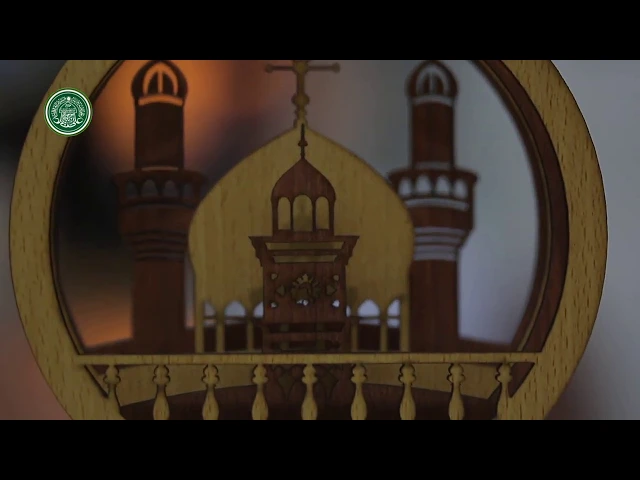
The Golden Dome (Full Documentary) | Destruction of the Shrine of Samarra
0
0
30 المشاهدات·
24/07/29
في
آخر
Located in central Iraq, Samarra is considered to be one of the most significant Shia sites. On the 22nd February 2006 and June 2007 this holy shrine was rocked by a bombing that destroyed the Golden Dome of the mosque. This documentary goes to uncover what happened to the holy shrine.
أظهر المزيد
Transcript
[0:07]located in central Iraq on the side of the Tigris River about
[0:15]124 kilometers of Baghdad samara is considered to be the largest ancient
[0:20]city known in the whole world [Music] home of the Alaska shrine
[0:29]one of the most significant sites of worship for the Shia community
[0:38]Samara is one of the four Islamic holy cities in Iraq the
[0:42]city was once a thriving tourist destination for millions of Shia pilgrims
[0:50]annually [Music] 22nd February 2006 the gold tile dome was destroyed and
[1:03]the mosque was severely damaged you as it's the shrine of two
[1:27]of the Amami the Shia Imam II Imams and the place where
[1:31]the alive Imam disappeared plus the grave of two of the ladies
[1:38]of the household of the Holy Prophet as I will explain later
[1:41]and talk about those characters this is for the Shia Imam II
[1:45]for the Muslims the household of the Holy Prophet highly respected by
[1:53]Muslims and as it includes the shrine of imam ali l hardy
[1:56]the son of Imam Muhammad Ali Mahmoud Hasan Askari the son of
[2:04]Ali Mahmoud Ian Hardy and Sayed hakima the daughter of Mohammad Jawad
[2:08]the sister of imam ali radiya Satan urges the wife of an
[2:11]imam hasan askari and the mother of the alive Imam Ali Muhammad
[2:16]el-mahdi and this all belongs to the household of the Holy Prophet
[2:20]and the Sunni the shia all the Islamic sects and MediaHub highly
[2:25]respect the how sort of the holy prophet a plus they were
[2:32]knowledgeable people they did serve the Ummah and the Islamic community at
[2:36]that time and even they had companion students followers all around the
[2:42]Muslim world and they benefited the Islamic heritage that's why the place
[2:48]of Samara became highly respected by the Muslims in general and by
[2:52]the follower of Matabele bait in particular Samara was founded during the
[2:59]Abbasid Caliphate so we are talking over a thousand years ago and
[3:02]it became the capital of the entire Islamic world so if we
[3:05]were to look at some are just as a a site of
[3:07]heritage then there is over a thousand years of history we find
[3:12]that the West focuses on something that is 120 years old they
[3:14]will call it a landmark or a place of significance and they'll
[3:16]be in the UK it's called the gains listed status so it
[3:22]means nobody is able to damage it or change its form in
[3:23]any way and sometimes it becomes a place of a track we
[3:27]have something that is over a thousand years old and Samara on
[3:32]just this basis will become very significant number one number two Samara
[3:36]hosted scholars Samara hosted Halawa Samara hosted the Imams Samara hosted people
[3:41]who came to the center of the Islamic world for a period
[3:46]of almost eight years Samara was the capital of the Islamic world
[3:49]in Samara itself we have shrines dedicated Imams we have places where
[3:54]scholars are buried and important graves we have the remnants of the
[3:57]old city to the north where the ha'la'tha were based in terms
[4:02]of the architecture is important in terms of what went on in
[4:04]that life we want to understand city life as historians archaeologists we
[4:07]want to look at some more rough on this aspect it is
[4:10]also a place where we've had a mixture of people who are
[4:12]followers of the hill beads and givers were followers of the school
[4:17]of the Sahaba we have a city where you have two Imams
[4:19]and the current and 12th Imam is buried it was born there
[4:25]and his father's are buried there and the Imam was last seen
[4:28]there and the Imam will go back and visit his family there
[4:32]and it is somewhere there if we wanted to say Salaam to
[4:34]the Imam is probably the best place to go to go to
[4:38]his his home the Imams were buried in Samara it's off they
[4:40]were buried in their homes so when we go to visit their
[4:44]shrines this is the home of the Imams so in terms of
[4:47]the importance to the followers of a debate it's of you know
[4:50]extremely high importance particularly in this modern era when we're trying to
[4:54]reconnect with our Imam the 12th Imam peace and blessings be upon
[4:56]him in terms of the followers of the other schools of thought
[4:58]it is a place of importance to the Islamic world generally in
[5:03]terms of non-muslims then it's space rich in culture and history in
[5:06]even in terms of science and archaeology then the city is especially
[5:10]important imaams l hardy and Alice Curie were actually buried in their
[5:20]own home and the holy site is the actual birthplace of the
[5:24]twelve Shia Imam the awaited Mahdi and is the last place he
[5:33]was seen before going into occultation the place of Samara is a
[5:38]bit different than other places as Samara which we are talking about
[5:43]where the shrines the holy shrine is it used to be called
[5:49]Alaska and this is a bit further down from Samara where the
[5:52]palace of the Abbasid caliphs and Madison where as the Muslim expel
[6:01]they expelled tamam I did hide you from a median menorah to
[6:05]Alaska it used to be like a military camp near Samara so
[6:11]the Imam were surrounded by his followers by his company by his
[6:15]students at the beginning it wasn't as crowded as it's meant to
[6:21]be because the two Imams were in exile at the time of
[6:24]Imam Hasan Askari things became a bit better communication became a bit
[6:28]easier the followers start going back and forth from his place in
[6:34]Alaska and at the even at the late stages of imam ali
[6:36]l hardy so we noticed that a few of their followers were
[6:42]there and not only that many of them were buried there if
[6:45]we refer to historic books one of them is known as master
[6:51]at KU barra vieja while samara by mahadeva halal morality is spirited
[6:55]in arabic and the second volume if i'm not mistaken he talks
[6:59]about the graves of those followers and companions of the imams and
[7:03]that probably reflects that there were so many sheer followers of the
[7:07]method method Bell beat we're living there the Imams when they were
[7:12]brought to samurai by the abbasids they were taken to an area
[7:17]called Alaska which means the asker the garrison of an watterson who
[7:20]is the first caliph ever bought the Imams to Samara and this
[7:25]was where the soldiers had garrison it was their encampment and in
[7:28]order to make it difficult for people to come in and out
[7:32]of the presence of the Imam to visit the Imam to see
[7:35]the Imams have access to they decided to have the Imams in
[7:37]a house inside this garrison so imagine a house surrounded by soldiers
[7:41]which is probably the most inaccessible place you could find and in
[7:46]this way the halifa was able to keep an eye on the
[7:47]Imams to investigate who was coming in and out what was happening
[7:52]how was the Imam connecting to his followers and the Imam Ali
[7:55]hardly said I'm glad it was buried there when he died he
[7:59]requested and his all that he be buried in his house and
[8:00]then his land Imam one has an ask you a question of
[8:03]the same thing and Imam and her jaw 12th Imam are living
[8:05]near mom Saddam alladia was born in that very house later on
[8:10]the Ambassador did not live in this area of course their palace
[8:12]is there the real some of the city of samurais to the
[8:17]north and after the fall of samurai let's say after the move
[8:20]back to back that the area to the north which was the
[8:25]real city of Salman fell into disrepair people were not interested in
[8:27]going there because the Khalif I did not live there anymore the
[8:29]whole reason why samurai became popular was because the ha'la'tha was there
[8:34]so when they went back to Baghdad there are buses people stopped
[8:37]visiting Samara the people that work there left the civil servants left
[8:40]the people that were close to the Holly far left the markets
[8:44]the soldiers everybody left and so we have the north part of
[8:48]northern part of Samara became a ghost town and what remained was
[8:51]the area around the house of the Imams became a the the
[8:56]summer that we have today people began to visit people came to
[8:58]study and get Baraka by being close to the Imams people gave
[9:01]another that they promised you if someone so happened if they were
[9:07]granted a son to do and go and live next to the
[9:07]amount for example something became and seeking Imam al Hajj Osama lies
[9:11]so they wanted to be close to where he was last seen
[9:13]and so on and over time during the period of the voids
[9:18]which came after the Abbasid period or the Abbasid real control period
[9:21]the time when they were really the practicing qualify the boys were
[9:25]the first to sponsor the building of the shrines and it was
[9:30]a very simple fashion a wooden box over where their graves are
[9:32]and just some wooden doors and entrances around the shrine so very
[9:35]simple very basic something that you could do you know in a
[9:39]short amount of time and overtime every time a wealthy merchant or
[9:46]an ally or some of the civil servants or the politicians who
[9:49]were sympathetic to the score of a debate came to Samara they
[9:52]added something to it so this wooden encasing then received valuable cloth
[9:58]and later on someone decided to put some mud around so that
[10:02]the land would be raised up so you wouldn't be treading near
[10:07]the grave itself and so on it carried on successive times that
[10:11]every time someone came to Samara they would build it up slowly
[10:14]slowly even some of our great menagerie contributed to this even some
[10:18]people who live far away didn't manage to reach somewhere at some
[10:22]of the Shah from Iran or elsewhere they would contribute to the
[10:25]building of Samara and it was stages we have incidences where for
[10:29]example the wooden casing burnt or there was a flood and part
[10:33]of the shrine was damaged and after this there was also reconstruction
[10:36]and the perhaps the most influential of these was at the beginning
[10:41]of the 20th century the Shah of Iran wealthy and interested in
[10:48]taking credit for rebuilding and reconstructing the shrine of the Imams started
[10:52]the last phase of construction that we see today before the incidence
[10:56]of 2006 and they expanded the shrine they purchased some of the
[11:02]areas around it and they included parts of the surrounding areas into
[11:07]the harem the sacred area of the mr- Korean mosque today the
[11:12]city of Samara was built around the holy Shia shrines of the
[11:19]two Imams in Samara and during that time many Shias made their
[11:25]way to live around the shrine of their Imams Mirza she has
[11:30]emigrated to Samara in 1880 something before or after I'm not I
[11:40]cannot remember exactly the date because he he died in 1893 but
[11:43]he was there for 22 the last 15-20 years of his life
[11:47]the popular Shia population was so high at that time and he
[11:55]built this the town he built the few schools and that continued
[11:59]until 1920 or 1915 when Mirza hematochezia Rossi one of his best
[12:06]students emigrated to Karbala with a few of his followers it smiles
[12:13]Sutter murder scene in ninety these were the main students who went
[12:18]back to Karbala and then Mirza Ali shirazi the son of Mirza
[12:25]Hassan shirazi who went I think for short period to Karbala then
[12:29]to Anna Geoff so we noticed that they worship their house was
[12:32]very active and at other stages also during history the sheer presence
[12:41]was there in Karbala Najaf the situation is different because southern Baghdad
[12:46]and the southern part of Baghdad was highly populated by Shia all
[12:51]of the population were Shia northern Baghdad the Shia were scattered in
[12:55]the villages around Samara and we noticed until now that up to
[12:58]ballot were the shrine of Saddam Hamid the son of Imam Hadi
[13:03]it's full of Shia this probably reflects an explained why the Shia
[13:11]is not vast majority in Samara and why it's getting a lesson
[13:16]some time in history in April 2003 us-british and other coalition forces
[13:25]led a war on Iraq to get rid of the bathia regime
[13:28]that had been in power for over 25 years after the fall
[13:34]of this regime Iraq wasn't without a government the political situation after
[13:45]the invasion of Iraq by the coalition forces and specifically by the
[13:51]American forces at the start the political situation was slightly unstable there
[13:59]was really no plan by the coalition to actually do something about
[14:04]Iraq they thought that they can come in to Iraq and they
[14:09]can take over and people will will be very much pleased with
[14:12]the with the overthrow and of course the Iraqis were very much
[14:17]pleased with the overthrow of the regime Saddam Hussein but they also
[14:20]wanted a plan a plan that you know the Americans mostly will
[14:24]will actually install a government that can bring prosperity to Iraq and
[14:30]the Iraqi people but unfortunately that didn't happen there was no plan
[14:36]at all there was a lot of chaos a lot of looting
[14:38]after the invasion and so therefore that affected quite a lot the
[14:42]political situation there was also a political struggle with India between different
[14:46]parties there was a struggle between the Shias and the Sunnis and
[14:52]the Kurds you know and the minorities but then again that also
[14:57]affected the the security and one very very important thing that not
[15:01]a lot of people do recognize regarding this this particular issue is
[15:05]that after the invasion in 2003 the doors were open for al-qaeda
[15:13]to come into Iraq al-qaeda remember they were scattered all over the
[15:18]Arabian Peninsula they weren't in one particular place but they found Iraq
[15:22]as an opportunity for them to go in stay there for a
[15:27]bit visualize see and analyze the whole situation see if it's still
[15:31]if it's quite vulnerable then they come in force and they attack
[15:34]and of course they did get support from neighboring countries unfortunately such
[15:39]as Saudi Arabia to actually cause chaos on violence in Europe at
[15:44]least 31 people have been killed in the Iraqi capital in a
[15:50]suicide attack on a funeral procession it brings the death toll from
[15:53]sectarian violence to more than 400 since a political crisis erupted last
[15:57]month the bomber exploded his vehicle neared the group of mourners passing
[16:01]by a small Market Street in the mainly Shiite Zafar alia neighborhood
[16:08]of Baghdad the funeral was for a Shiite estate agent who was
[16:11]killed by gunmen in the city a day earlier police say the
[16:14]motive for his murder is not clear I'm sure everyone knows that
[16:27]post 2003 Iraq was quite chaotic it remains to a lesser degree
[16:30]but in those periods between 2003 and the events of 2006 Iraq
[16:37]was under occupation by various armed forces of other countries number one
[16:42]- the government itself hadn't yet been appointed by the people the
[16:47]Constitution was in place but we hadn't had general elections yet before
[16:50]that incident 3 everybody knows that various armed militias had real power
[16:55]in Iraq weapons were washed everywhere we had remnants of the old
[16:59]regime we had foreign terrorists we have people whose opinions political opinions
[17:03]are at conflict with the areas that they live in so for
[17:05]example if I live in the northern part of Iraq yet I
[17:10]support a Shia party from the south I am a danger myself
[17:15]so I hold opinions in my area that could lead to my
[17:18]death and this was replicated all throughout Europe so the situation was
[17:21]that the government wasn't fully in control of all the sites nor
[17:28]all the border posts nor all the places of civil authority like
[17:31]for example the earth or the airports or the banks or and
[17:36]so on and so forth so the attack on on Samara in
[17:38]a way seemed logical because it wasn't that well protected people did
[17:42]not really have the resources nor expect Samara to be attacked quite
[17:49]brutally in this way so the situation was that no one person
[17:52]or one state or one side could be blamed because it was
[17:57]Iraq was a was it was heavily damaged from all sides from
[18:02]internal factors and from external factors and so the situation was quite
[18:05]chaotic and always when we see there's a chaotic situation lots of
[18:08]things are damaged and suffer 22nd February 2006 the gold tile dome
[18:18]was destroyed and the mosque was severely damaged there were different accounts
[18:27]to what really happened on the 22nd on the 9th of night
[18:35]of 22nd of February 2006 one account says that there were at
[18:42]least six to eight al-qaeda members came on the night of the
[18:49]22nd dressed in military uniforms they handcuffed the the gods they stoned
[18:57]them they handcuffed the gods and they took them to a particular
[19:02]place and they took full control of the whole of the harem
[19:04]of alas carrying so what they did throughout the night took them
[19:11]many many hours throughout the night they kept on planting their bombs
[19:15]and if you go back now to Samara you do actually see
[19:21]that they tell you this is the place where they have put
[19:24]or planted this particular bomb and is usually in the corners and
[19:27]that was quite a clever move by these terrorists because you know
[19:34]to put them in in a particular corner at every single corner
[19:38]you can maximize destruction so they put them and they put a
[19:42]lot of explosives in there and took them several hours to take
[19:48]their explosives and put them in visit this particular place and that
[19:53]particular particular place and exactly 5:00 to 7:00 a.m.
[19:56]they triggered all these bombs and it all exploded the Interior Minister
[20:02]at that time actually gave a similar but sort of a different
[20:08]account as well he said that they've actually been doing this for
[20:10]the last four or five days pre to pre 22nd of February
[20:15]2006 so they kept on coming and putting their explosives leaving pointing
[20:20]the exposed for four or five days until they put so much
[20:22]except explosives in there that the aftermath was immense I mean the
[20:30]pictures we we saw on the day that 20 on the morning
[20:37]of the 22nd of February 2006 you can see that to bring
[20:41]down this very strong building down to rubbles are of course that
[20:50]meant that they put so many so many explosives and and this
[20:53]was a timed this was a planned a bomb attack that has
[20:59]been studied I believe for for many many months and definitely been
[21:06]funded by bigger organizations and countries so massive are with us ma'am
[21:16]these are Alfred Nobel for kabane have novel therapy Java Haruna believe
[21:22]in Allah in the end I'll have the word Cora here one
[21:36]little on well unsub we will power our - wish in the
[21:38]homeo Munna Bhai the hill morality talk shahrullah he'll have done when
[21:43]the logic job in piecemeal Islam will muslimeen not that hana yo
[21:47]militar de holla let me know how we learn a new philosophy
[21:49]no sharafa any abnormal are you head remove the antenna with alec
[21:55]enemy sharpen our Oh Madonna bahá'u'lláh Levine here's the kupuna Gerard who
[22:00]owns Lily intercom what's up you special never ha and be at
[22:06]the heart that something will the intelligence reports that have come out
[22:10]after this incident point to the fact that the planning was was
[22:14]meticulous it was done well in advance of the attack it wasn't
[22:17]a random attack the way that the bombs were placed around the
[22:24]dorm the way that the explosives the kind of materials used to
[22:28]have maximum effect this shows that it wasn't a random attack by
[22:32]you know a disorganized group of armed men who wanted to make
[22:37]a stay but no rather this was done well in advance they
[22:40]had detailed plans and blueprints of where the how the structure of
[22:44]the mosque was where the entrances were how they could easily place
[22:48]their bombs around the various sites to destroy the dome the dome
[22:52]doesn't escape you that it's probably the biggest storm of all the
[22:58]shrines that we have my masquerade mosque the dome there was probably
[23:00]the largest one of all the shrines that we have Carolina Jeff
[23:02]measured elsewhere so it was constructed in such a way that was
[23:05]actually quite strong because it's a large dome it was constructed with
[23:10]a double layer so the the onion-shaped dome on the outside that
[23:14]you see and inside it there is a another dome a secondary
[23:17]dome to support the first off and so you have a dome
[23:20]here and they dorm above it you only see the outside one
[23:24]of course and there is this space in between you'd only know
[23:26]that if you had access to the blueprints or somebody who had
[23:31]knowledge of the architecture and what the what the terrorists did was
[23:34]to place c-4 explosives at various points to bring down the structure
[23:38]and in this space this space that we talked about between the
[23:40]external dome and the internal dome so to cause an explosion to
[23:46]bring down the dome rather than just to damage it from the
[23:48]outside to bring it down fully and we can see when we
[23:53]look at the the the imagery of the post 2006 post 22nd
[23:55]fabrics we can see that the whole middle of the dome has
[24:00]been taken out and its position is you could say you can
[24:03]see the image in Scituate as if it someone deliberately carved this
[24:06]pit out someone went around and made a mark and said I
[24:07]won't say call this better now some of the reports point to
[24:12]the fact that C for this type of c-4 used after forensic
[24:14]analysis isn't available to individuals it is something that only states buy
[24:20]from each other buy and sell and so the origin of the
[24:24]c-4 must have come from estates must have come from a country
[24:27]that purchased this now whether they gave this to individuals is the
[24:32]arm certain people or it was sold on the black market we
[24:34]can't be sure but the origin of it was that I stay
[24:37]at I buy it now how individuals is a secondary matter but
[24:43]we know that at one point a state must have been involved
[24:46]in the attacks on Samara the armed group might have been a
[24:51]front so they might have been acting on behalf of a a
[24:55]state or another international player an actor or an agency their intentions
[25:01]were quite clear from the results that happen afterwards they wanted to
[25:05]cause chaos they wanted a statement to go out to all the
[25:10]Shia Muslims that nothing is sacred not only will we attack men
[25:12]and women and children in the markets and the schools will behead
[25:15]people and put the videos online will attack your marches to Karbala
[25:18]now we're going to attack the most important thing in your lives
[25:23]your mouse will attack those as well and will cause terrible damage
[25:25]as well to infuriate this year you try to get a reaction
[25:28]to increase the cycle of violence so we can't really point to
[25:34]you know a hundred percent knowledge of who committed the year in
[25:37]terms of not the individual that placed the bomb but the planning
[25:40]on who ordered its execution that's the most important thing where even
[25:43]if you found the four or five armed people that place the
[25:47]bombs there they didn't act on by themselves there was someone behind
[25:50]them or something behind them we can't say with certainty but at
[25:53]one point in it there is a state or a country involved
[25:57]I think we can definitely blame the security the people the guards
[26:03]who have actually protected the the mosque but the the issue is
[26:09]that you have to go up a level it's not really the
[26:11]people's problem is actually the government's problem the the government pre 2006
[26:17]had to keep a close eye into what's happening all around that
[26:22]particular area that particular triangle as they call it the Sunni triangle
[26:27]and unfortunately as you have a very popular very famous Shia mosque
[26:35]down there shrines and you have majority of the Sunnis and this
[26:41]is what al-qaeda wanted al-qaeda came in to try to trigger the
[26:45]sensitivity these differences between the Shias and Sunnis so they might have
[26:50]had some influence on some of the P who are who are
[26:54]living in Samara but then again you have to go back to
[26:57]the security forces what were they then they protect they actually predict
[27:01]such a thing will happen where was the intelligence don't we have
[27:05]any any intelligence then we have some sort of intelligence that will
[27:09]tell us there was a planned attack on the on the scurry
[27:12]shrine so I wouldn't particularly blame the people of Samara I will
[27:19]definitely blame the the security forces at that time for the lack
[27:26]of intelligence the the lack of planning and - how to protect
[27:30]the the Ascari shrine and also may also say that there also
[27:33]some blame on the Iraqi Endowment religious endowment group of course they
[27:38]are they belong to the government and they their responsibilities are the
[27:44]mosques so we have the Sunni endowment and we have the Shia
[27:52]endowment in Iraq and the was the responsibility of both [Music] [Music]
[28:13][Music] [Music] I was actually in Edinburgh because at that time I
[29:12]was doing my PhD there before I moved somewhere else on and
[29:19]I had the news from my supervisor at that time doctor under
[29:23]inhuman he called me and then we meant to we had a
[29:32]meeting regarding my dissertation and then we end up spending the whole
[29:38]session talking about the demolition and the it was a it wasn't
[29:42]a smooth was a big issue and easily you can feel that
[29:49]this is gonna be the beginning of serious of problems what has
[29:57]happened something clearly will affect every single she I am army and
[30:03]even Muslims because if we notice the reactions by Muslims all of
[30:07]them were they well respond it and so and I do remember
[30:15]that the doctor and human at that time he was also so
[30:22]keen and and we we had a good guess that this is
[30:24]gonna be a beginning of a serious problem and series of problems
[30:30]I think the the religious authorities could have put more pressure on
[30:37]the government to either put a force around somewhere to protect the
[30:42]shrines or to permit the religious authorities themselves to use their own
[30:46]men to guard the shrines because we hear of the attack that
[30:50]only a few men were guarding the shrine at that time and
[30:52]in those days when we know the sectarian violence was quite high
[30:56]we would have expected a bit more vigilance so there he was
[30:59]in hindsight a lot of benefit to saying you know we should
[31:03]have done so and so and so that will might help in
[31:07]future attacks to prevent future attacks but we know definitely that the
[31:12]security apparatus was understaffed we know with certainty that if we had
[31:18]had a dozens more men protecting that that shrine that the attack
[31:22]wouldn't have happened if we had better intelligence that the attack would
[31:26]have happened if we had better relations with the people that lived
[31:30]around Samara that they would inform us if any attack were to
[31:34]happen also for any attacks then we could have stopped what was
[31:37]happening but like I say this hindsight knowledge is useful for trying
[31:40]to prevent future attacks the bombing of Alaska a shrine increased the
[31:51]tension between Shia and Sunnis in Iraq even though the government and
[31:55]the scholars in Najaf tried their best to enforce peace in Iraq
[32:01]but did this bombing damage any chance of peace when this happened
[32:07]and on the 22nd of February 2006 there was a slight delay
[32:15]in the government reaction unfortunately the government didn't react very quickly the
[32:21]the there was after a few hours of this some of the
[32:28]Shias went out on the streets did some sporadic killings of the
[32:32]of the Sunnis in Sunni areas and and the same thing vice
[32:37]versa soon some soon he started killing the Shia's it which is
[32:40]exactly what al-qaeda wanted and there was supposed to be I mean
[32:45]the government should have actually imposed a quick curfew when that happened
[32:48]imposed a quick curfew and unfortunately that didn't happen it happened later
[32:53]on but that in particular incidents that particular time they should have
[32:57]they should have imposed a quick curfew to stop these violence and
[33:03]these Viners were the start of a massacre between the the shinto
[33:07]Sunnis and the Shia's in 2006 and then went on to 2007
[33:11]so it was a delayed reaction although the prime minister at that
[33:15]time came out and said that you know this is this is
[33:17]al-qaeda who've done this this is their motive they want to separate
[33:24]between the Sunnis and the Shia's and they want to cause a
[33:29]civil war they for all of us to divide them on the
[33:35]rock to divide they have different countries they fulfilling different countries agenda
[33:39]and things like that so he did warn the Iraqi people but
[33:45]I believe that a quicker reaction impose imposing a curfew of that
[33:49]particular on that particular day and a few days after that would
[33:51]have been much more appropriate [Applause] [Music] and upset and if we
[34:00]go back to documentary films we can notice that alhamdulillah the Mirage
[34:06]where at that time Ayatollah said sister Alma citizen and a lot
[34:12]of my cell Hakim and I had a lot on my shelf
[34:16]al-shara she they were all they met and they will start coming
[34:19]the Muslim and the Shia population and that has great influence in
[34:29]stopping the kind of revenge actions to be taken by the she
[34:33]I aren't even by some Muslims who were upset and sad about
[34:40]what happened after the bombings in 2006 there was some sort of
[34:45]an good intelligence in Iraq which pointed the fingers towards two main
[34:51]people the first person was called first Muhammed Ali father Muhammad Ali
[34:57]was caught while he was actually doing trying to do a an
[35:00]operation as they call it against the military on Iran a checkpoint
[35:06]and they caught him there he was injured and they caught him
[35:08]and around 18 of the other people they caught as well and
[35:13]further Muhammad Ali confessed that he was involved in the Samara bombing
[35:21]and he also gave some sort of directions to all who others
[35:26]were involved but the main head the mastermind of the this operation
[35:32]in summer on the 22nd of February 2006 was someone called Haytham
[35:37]Alba dari Haytham and badly was the mastermind one of the leaders
[35:41]of al-qaeda during the in Iraq during that time and with good
[35:49]intelligence and wood of course with the help of the Iraqi people
[35:52]they found Haytham battery and he was killed in August 2007 and
[36:00]of course father Mohammed Ali the government later on said that they
[36:08]they hanged for her Muhammad Ali for his crimes sorry I think
[36:35]Samara is very important for us and it needs a lot of
[36:40]we need to raise the awareness and I don't think enough no
[36:43]I think it's not as bad as it used to be but
[36:47]we need to raise awareness we need to raise attention of the
[36:54]followers of our way to the importance of Samara because it's been
[36:58]I would like to say ignore what's been left for a long
[37:05]time and that's why we asked for the conference and we had
[37:10]the conference in the year 2008 we try to collect as much
[37:13]information as we can about the history of the place before there's
[37:20]a Shirazi because the Shia was living in Samara and was quarter
[37:23]or one third of the population before the emigration of Ellmers arrazi
[37:28]clearly the immigration of Mercy Shirazi strengthened the presence of the Shahada
[37:35]and the house has been transferred to Samara and we noticed that
[37:39]so many scholars were there as the Saenuri Party meet mahadji teens
[37:43]aha monster dr.
[37:45]Lewis I observed irani said Marcel I mean I've been mentioning names
[37:49]and until early 60s they were teaching in Samara she rushed a
[37:55]bell and karana used to teach in Dara and others said mentor
[37:58]as Karina were all came from the town of Samara and the
[38:05]houses of Samara unfortunately more attention and more kind of care should
[38:12]have been paid and given to Samara and I hope that in
[38:15]the future this will take place in the during the conference we
[38:22]had a few guests be heard from all around the world and
[38:26]we collected all the lectures together and we published a book which
[38:31]is the shia of samara has been published by ib Tauris i
[38:35]think the information we try to collect is valuable because it shows
[38:44]the history the architecture the history of the house' and the history
[38:49]of the town of samara and we tried to keep that well-documented
[39:00]unfortunately the bombings in 2006 has affected our dramatic it it was
[39:11]the intention of terrorists of al-qaeda members to cause such a long-lasting
[39:15]effect and unfortunately unfortunately and I say this with was so much
[39:22]bitterness that they have caused a long-lasting effect they caused a huge
[39:31]civil war in Iraq many many thousands of people died as a
[39:39]result and until this moment unfortunately you know the the the the
[39:43]there are some sort of sensitivities between this years and the Sunnis
[39:48]created I believe because of that that conflict happened in 2006 and
[39:56]2007 and 2008 2008 as well although now it is much much
[40:00]better there was a lot of cooperation between the Sunnis and the
[40:04]Shia's and also in the government we have have quite a few
[40:10]Sunnis as ministers and things like that and even between the Iraqi
[40:14]people themselves before even allowing any practical steps to be taken to
[40:25]contain the massive impact of such an act the shrine was bombed
[40:29]again on 13th June 2007 [Music] unfortunately after the the first bombings
[40:40]in 2006 there wasn't a plan to secure the harem there was
[40:47]of course you know the of course the blame is on on
[40:52]the security forces the government etc there wasn't a proper plan to
[40:56]actually secure the place and al-qaeda had second ideas you know they
[40:59]said they said look you know you can't stop us first time
[41:04]you know will show you we can we can get in second
[41:06]time as well and you know they work with money you know
[41:10]trying to tell people look you know we'll give you that much
[41:12]money just let us go through there and do that this and
[41:19]that and unfortunately they went in but in after the second bombing
[41:23]which put down the the two minarets the Prime Minister incumbent Prime
[41:30]Minister Nouri al-maliki he visited the place straight away after that of
[41:36]course he imposed curfew straight away after that and he went himself
[41:40]to the shrines and he managed to set up a committee while
[41:49]he was there to take care of the rebuilding and most importantly
[41:55]he dedicated a whole troop tour or group in the mill in
[42:06]the defense military in the defense ministry to protect from all angles
[42:14]so so that no one can actually come and do what they
[42:20]did before so there was people assigned specifically to come and protect
[42:28]the the the shrines and of course there were a lot of
[42:32]checkpoints set so as if if you've been to Karbala and nigev
[42:36]and if you haven't made a loss of Hinata I'll give you
[42:38]the opportunity to go and do the other there you can see
[42:42]that there's no cars allowed to reach the harem and there are
[42:45]lot of checkpoints as you go through a lot of body searches
[42:50]and things that are even car searches as you reach the last
[42:52]point where a new car can go it's the same thing now
[42:56]when samara as well so they've implemented the same thing no car
[42:59]can go near the Haram a lot of a lot of body
[43:03]checks and a lot of security so alhamdulillah that that was effective
[43:16]since the two bombings in Samara in 2006 and 2007 the reconstruction
[43:23]of the holy shrine has taken place to ensure that the gold
[43:28]dome of the Imams al-hadi and I'll ask are rebuilt and to
[43:42]try and bring some peace into that area I think we have
[43:48]to give credit to multiple sites here first of all the officer
[43:55]nee was aware that they can no longer control this dis shrine
[43:59]it was unfair for officer knee to control the Shia shrine so
[44:02]they accepted you know they protested they accepted the fact that if
[44:07]your wife has to gain authority on this side number one number
[44:10]two I think the people of samurai realized the damage had been
[44:13]done to their economy to their prospects and they since then have
[44:20]tried their best I would say to prevent any future violence in
[44:23]that area number three the walkway she has done well in terms
[44:28]of the reconstruction it might have been slow but they have attempted
[44:34]to preserve or keep as much of what was left out her
[44:36]damage as possible so I know for a fact that the bricks
[44:40]or some of the rocks and stones that were left in the
[44:45]rubble after the bombing they reused it in the construction rather than
[44:47]getting rid of this and sending it off to waste they reused
[44:50]it in the reconstruction of the shrine I know for a fact
[44:55]that they tried their best to have almost the same dimensions and
[44:58]aspect of the dome as possible I know that they expanded the
[45:01]size of the shrine to cater for large numbers of visitors I
[45:06]know that the one who she has purchased land they made land
[45:09]surrounding the shrine has purchased homes and businesses and so on to
[45:13]try to expand the site of the shrine to give a better
[45:17]experience to the visitors I know has been compensating businesses and homeowners
[45:21]around this area it is given more jobs to the people of
[45:24]south I think the government has done well as well to proceed
[45:28]in an efficient manner with the reconstruction but without making this a
[45:33]political issue you know to use it in elections and so on
[45:36]and so forth rather the work has been done professionally I know
[45:39]UNESCO was involved for a period of time with the reconstruction I
[45:42]know that the quality of the engineers and architects involved has been
[45:47]quite high can be bullied here I spoke recently to the administrative
[46:19]manager of the rebuilding and he spoke about you know the great
[46:29]progress they have actually made and in fact actually rebuilding some of
[46:35]our as well because it's it's a it's a quite I'm in
[46:40]a funny way you can say that you know although the bombings
[46:42]were quite atrocious some sort of positive things did come out of
[46:51]these bombings which is now the the whole that the whole city
[46:54]is actually being rebuilt a lot of hotels are being rebuilt restaurants
[46:58]as they want to make it as a very vibrant city and
[47:04]of course that the dome is nearly complete the golden dome the
[47:09]minarets are nearly complete they I spoke to him and he said
[47:14]he said within a few months and sha Allah everything would be
[47:17]complete and and a lot of people have actually given their time
[47:23]a lot of people have actually funded this and the main funding
[47:25]comes of course from the government from the Iraqi endowment endowment and
[47:31]and there's been a lot of throughout this process there's been a
[47:37]lot of support from different people and Samara is actually rising up
[47:42]now and it needs to rise up because Samara historically was once
[47:50]a capital city of Islam and so if you go there Samara
[47:54]is a very very beautiful city it's got the river Tigris near
[48:01]it it's it's it's World Heritage Site I mean I remember when
[48:04]I went there I so still the remains of the abbasids castles
[48:07]there you still can see them very clearly you can see them
[48:13]and it doesn't by the way just attract Muslims it also attracts
[48:16]people are very much interested in ancient things and it's a very
[48:24]important place for Muslims specifically for the Shias and of course we're
[48:29]going to pilgrimage towards Samara so so strategically it's an important place
[48:36]and it's it's the rebuilding now of Samara I think will bring
[48:44]some sort of happiness for those people who wanted Iraq to read
[48:49]to get back to normality and will strike hard against those people
[48:55]I then although his bath fees and all these anty anty shia
[49:02]are people who really wanted to hurt the Iraqi people and specifically
[49:07]the followers of a debate and we strike hard on them to
[49:12]see that you know the rebuilding of Samara and alhamdulillah we ask
[49:16]allah subhanaw taala to keep some a lot secure and that's very
[49:18]important because as I said you know the area is not you
[49:24]know the population of the area may not hundred percent of favor
[49:28]or take care of the these particular shrines like what in the
[49:33]carbon and nigev so we need the you know we need all
[49:38]the money in to want to do constantly do r2 to help
[49:44]the people to protect these these to these these two Imams I
[49:52]think the golden dome represents a number of important things for people
[50:01]all over the world number one it results represents that the Iraqi
[50:05]people will always have hope I have suffered tens of years decades
[50:10]now and before them but recently they've suffered heavily and so seeing
[50:17]the damaged shrine of Samara had a negative effect on the perception
[50:20]of Iraqis themselves and other people of Iraq itself so seeing the
[50:24]shrine again back in its glory will tell the whole world that
[50:27]Iraq will be rebuilt that Iraq will be preserved and that Iraqis
[50:33]themselves do have hope so that's an important statement number two I
[50:35]think it's a not an important economic statement that summarize going to
[50:39]do business pilgrims are welcome anytime even nunzio's are welcome to come
[50:45]and spend their time come and see Samara come and spend your
[50:47]money you can give your allegiance to your moms come and visit
[50:50]this place it's open for business and will welcome you at any
[50:53]time it's an important economic statement and a statement to people in
[50:57]the Middle East generally three I think is an important statement for
[51:01]the general Tsin Nishi relations that the Imams represent the the final
[51:08]chapter of our history connecting it to the 12th Imam and this
[51:12]home of the Imams this pace with the Imam our current Imam
[51:17]was born this space where he can call his home he's rebuilt
[51:19]to a standard that we can say I mom would be happy
[51:23]with and because we believe he is an imam for not just
[51:28]this year he's an imam for all of mankind so the message
[51:30]out to Muslims in Iraq is that rebuilding Samara is in a
[51:35]way telling the Imam we're ready to understand you better we're ready
[51:39]to reconnect with you more we're ready to reach out to you
[51:42]more I think that's an important statement as well finally for the
[51:45]followers of a debate it pains us to see some of our
[51:50]shrines damaged and in Buckley for example we hear about the shrines
[51:53]in Damascus and elsewhere in history it pains us to see that
[52:00]mmm this place where these men who are buried purely you know
[52:05]it's attacked out of hatred it's it's a it's something that goes
[52:10]against all humanity you would protect a shrine you would protect a
[52:13]tree that is a thousand years old yes you would portray me
[52:17]you would protect a book that is a thousand years old how
[52:19]about a place where some he was the grandson of the Prophet
[52:22]somebody who is a living in mom somebody who got influenced or
[52:26]millions of people till today we read their words we pay special
[52:29]attention to their actions we would aspire to be followers of them
[52:36]and for having this dome of their sight the amount of Sufis
[52:39]it's attacked and the followers are attacked and the pilgrimage is stopped
[52:44]so for us this year we've had a history of witnessing this
[52:46]so finally if you see the dome back up in his glory
[52:51]and people freely occurring somewhere in all safety and in all convenience
[52:54]I think it is a message that and our things have improved
[52:59]things are better now and for us as if you had to
[53:00]be confident that when we reach out to other people hopefully and
[53:04]we wish in Charlotte that that will be rewarded with better relations
[53:07]rather than us reaching out and going for better relations and trusting
[53:11]in other people and continually being disappointed in our faith and our
[53:15]heritage in our culture being attacked so inshallah it's a message of
[53:18]positivity for all sides I ask this goal of the elevates especially
[53:32][Music] I do [Music] [Music] at Ferragamo it's for reggae and a
[54:10]juice Arash amel 15 at Ferragamo and nature sorry Chanel tablet tablet
[54:16]you are different you are eligible [Music] and it you are nature
[54:34]and that's why we are a young female teachers here [Music]
0 تعليقات
sort ترتيب حسب
- أعلى تعليقات
- أحدث تعليقات
التالي
8 المشاهدات · 25/03/02
5 المشاهدات · 25/11/12
4 المشاهدات · 26/02/11
3 المشاهدات · 23/10/13
1 المشاهدات · 22/12/04
1 المشاهدات · 23/08/02