يرجى ملاحظة أنه إذا كان عمرك أقل من 18 عامًا ، فلن تتمكن من الوصول إلى هذا الموقع.
هل عمرك 18 سنة فما فوق؟
خلق
تحميل
استيراد
مقاطع قصيرة
حسابي
الوضع
تسجيل الدخول
تسجيل
Your browser does not support HTML5 video.
فقه
عقائد
أخلاق
قصائد
الادعية والمناجاة
القرآن الكريم
محاضرات
أفلام ومسلسلات
التاريخ والسيرة
الأخبار
الناس والمدونات
آخر
التالي
تشغيل تلقائي
37:03
Lezing door geleerde Sheikh aabuzer Deidei
Fatemiya Nijmegen
8 المشاهدات
·
22/04/03
آخر
37:03
Lezing door geleerde Sheikh aabuzer Deidei
Fatemiya Nijmegen
6 المشاهدات
·
22/04/03
آخر
05:00
Ashura in London 2013 Imam Hussain & Justice - Sheikh Sodagar لندن عاشوراء الإمام الحسين والعدالة
Barr Pictures Media
13 المشاهدات
·
13/11/16
آخر
50:01
Sheikh Nuru Mohammed - Remembrance of Ali is worship of Allah - Lecture Karbala Iraq Arbaeen 2014
Barr Pictures Media
14 المشاهدات
·
15/09/11
آخر
09:33
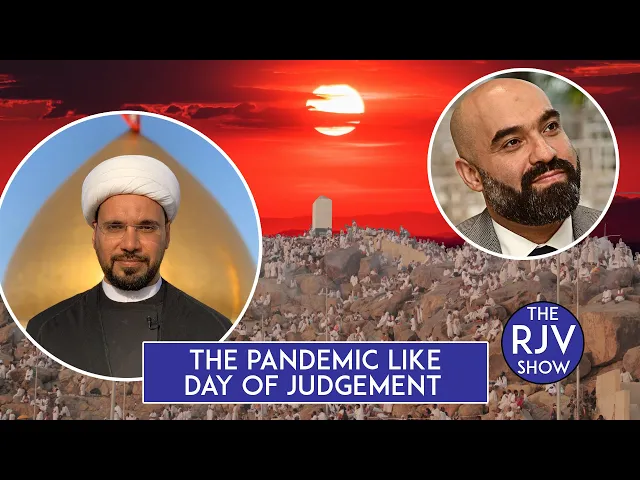
Sheikh Mohammed Al-Hilli Pandemic like Day of judgement and remembrance of Allah The RJV Show Clip
Barr Pictures Media
13 المشاهدات
·
20/10/13
آخر
44:50
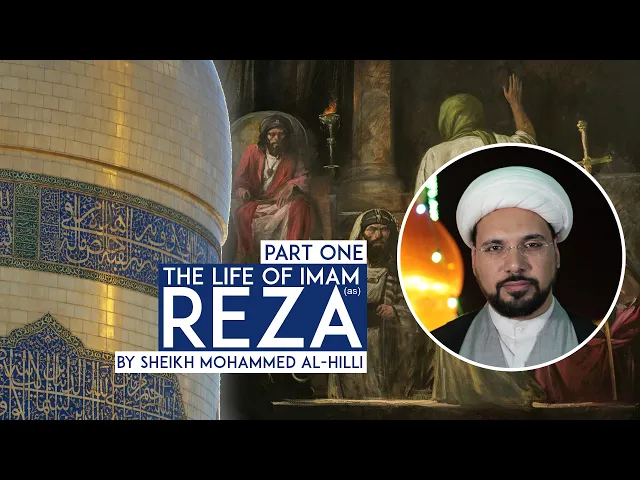
The life of Imam Reza Ridha (as) Sheikh Mohammed Al-Hilli Islamic Muslim biography history PART ONE
Barr Pictures Media
10 المشاهدات
·
20/10/14
آخر
02:09
Jesus and the lovers- Sheikh Hamam Nassereddine
houmam03
9 المشاهدات
·
18/04/17
محاضرات
05:08
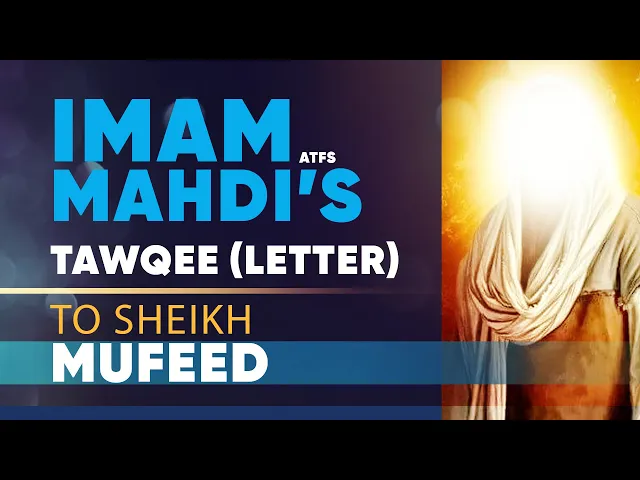
Imam Mahdi's (ATFS) Tawqee (Letter) to Sheikh Mufeed
Sabeel Media
15 المشاهدات
·
24/02/18
محاضرات
51:14
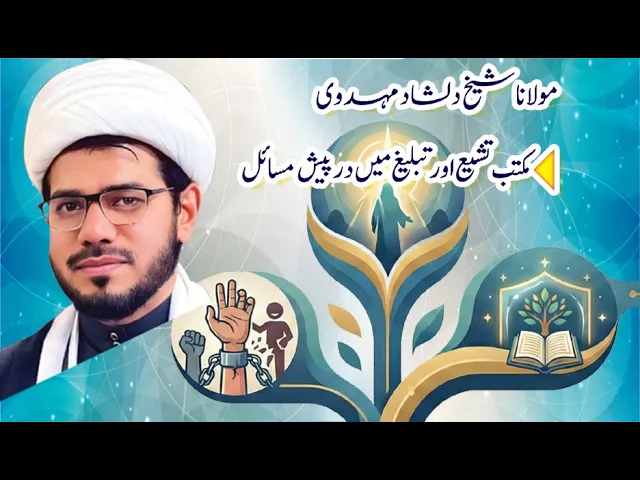
Maktab-e-Tashayee Aur Tableegh Main Dar Paish Masail | H.I. Sheikh Dilshad Mehdvi
Al-Mehdi Educational Society
16 المشاهدات
·
25/12/14
محاضرات
00:59
How Imam Mahdi [AJ] Communicated with His Followers | Sheikh Mahdi Rastani #imammahdi
Prepare for Imam Mahdi
14 المشاهدات
·
24/07/18
محاضرات
00:55
Stories About Meeting Imam Mahdi [AJ] | Sheikh Mohammed Hilli #imammahdi #prophetmuhammad #ahlulbayt
Prepare for Imam Mahdi
14 المشاهدات
·
24/08/31
محاضرات
00:59
Has Ayatollah Sistani Met Imam Mahdi [AJ]? | Sheikh Mohammed al Hilli #imammahdi #prophetmuhammad
Prepare for Imam Mahdi
13 المشاهدات
·
24/09/02
محاضرات
00:45
The Companions of Imam Mahdi [AJ] are like Lions! | Sheikh Mohammad Ali Shomali #imammahdi
Prepare for Imam Mahdi
9 المشاهدات
·
24/09/09
محاضرات
00:58
Introduce Imam Mahdi [AJ] to Others! | Sheikh Mustafa Akhound #imammahdi #prophetmuhammad #ahlulbayt
Prepare for Imam Mahdi
14 المشاهدات
·
24/09/10
محاضرات
00:54
How to Serve Imam Mahdi [AJ] | Sheikh Mohammed al Hilli #imammahdi #prophetmuhammad #ahlulbayt
Prepare for Imam Mahdi
11 المشاهدات
·
24/09/16
محاضرات
00:38
Increase Your Understanding of Imam Mahdi [AJ] | Sheikh Mustafa Akhound #imammahdi #prophetmuhammad
Prepare for Imam Mahdi
16 المشاهدات
·
24/09/23
محاضرات
00:59
Trials During Absence of Imam Mahdi [AJ] | Sheikh Mohammad Ali Shomali #imammahdi #prophetmuhammad
Prepare for Imam Mahdi
16 المشاهدات
·
24/09/29
محاضرات
00:58
Story: Sayed Bahral Uloom Meeting Imam Mahdi [AJ] |Sheikh Mohammed Hilli #imammahdi #prophetmuhammad
Prepare for Imam Mahdi
12 المشاهدات
·
24/10/01
محاضرات
02:29
Our Role Before Imam Mahdi [AJ] & Jesus [AS] Return | Sheikh Mohammad Ali Shomali
Prepare for Imam Mahdi
12 المشاهدات
·
24/10/06
محاضرات
00:57
How Does Imam Mahdi [AJ] Help Us? | Sheikh Mohammad Shomali #imammahdi #prophetmuhammad #ahlulbayt
Prepare for Imam Mahdi
14 المشاهدات
·
24/10/06
محاضرات
تحميل المزيد
Chaos Theory | Sheikh Aous Asfar
0
0
1
المشاهدات
·
24/03/31
شارك
تضمين
Ahlul Bayt Center of Toledo
مشتركين
الاشتراك
0
في
محاضرات
أظهر المزيد
Show Transcript
0 تعليقات
sort
ترتيب حسب
أعلى تعليقات
أحدث تعليقات
ينشر
التالي
تشغيل تلقائي
37:03
Lezing door geleerde Sheikh aabuzer Deidei
Fatemiya Nijmegen
8 المشاهدات
·
22/04/03
آخر
37:03
Lezing door geleerde Sheikh aabuzer Deidei
Fatemiya Nijmegen
6 المشاهدات
·
22/04/03
آخر
05:00
Ashura in London 2013 Imam Hussain & Justice - Sheikh Sodagar لندن عاشوراء الإمام الحسين والعدالة
Barr Pictures Media
13 المشاهدات
·
13/11/16
آخر
50:01
Sheikh Nuru Mohammed - Remembrance of Ali is worship of Allah - Lecture Karbala Iraq Arbaeen 2014
Barr Pictures Media
14 المشاهدات
·
15/09/11
آخر
09:33
Sheikh Mohammed Al-Hilli Pandemic like Day of judgement and remembrance of Allah The RJV Show Clip
Barr Pictures Media
13 المشاهدات
·
20/10/13
آخر
44:50
The life of Imam Reza Ridha (as) Sheikh Mohammed Al-Hilli Islamic Muslim biography history PART ONE
Barr Pictures Media
10 المشاهدات
·
20/10/14
آخر
02:09
Jesus and the lovers- Sheikh Hamam Nassereddine
houmam03
9 المشاهدات
·
18/04/17
محاضرات
05:08
Imam Mahdi's (ATFS) Tawqee (Letter) to Sheikh Mufeed
Sabeel Media
15 المشاهدات
·
24/02/18
محاضرات
51:14
Maktab-e-Tashayee Aur Tableegh Main Dar Paish Masail | H.I. Sheikh Dilshad Mehdvi
Al-Mehdi Educational Society
16 المشاهدات
·
25/12/14
محاضرات
00:59
How Imam Mahdi [AJ] Communicated with His Followers | Sheikh Mahdi Rastani #imammahdi
Prepare for Imam Mahdi
14 المشاهدات
·
24/07/18
محاضرات
00:55
Stories About Meeting Imam Mahdi [AJ] | Sheikh Mohammed Hilli #imammahdi #prophetmuhammad #ahlulbayt
Prepare for Imam Mahdi
14 المشاهدات
·
24/08/31
محاضرات
00:59
Has Ayatollah Sistani Met Imam Mahdi [AJ]? | Sheikh Mohammed al Hilli #imammahdi #prophetmuhammad
Prepare for Imam Mahdi
13 المشاهدات
·
24/09/02
محاضرات
00:45
The Companions of Imam Mahdi [AJ] are like Lions! | Sheikh Mohammad Ali Shomali #imammahdi
Prepare for Imam Mahdi
9 المشاهدات
·
24/09/09
محاضرات
00:58
Introduce Imam Mahdi [AJ] to Others! | Sheikh Mustafa Akhound #imammahdi #prophetmuhammad #ahlulbayt
Prepare for Imam Mahdi
14 المشاهدات
·
24/09/10
محاضرات
00:54
How to Serve Imam Mahdi [AJ] | Sheikh Mohammed al Hilli #imammahdi #prophetmuhammad #ahlulbayt
Prepare for Imam Mahdi
11 المشاهدات
·
24/09/16
محاضرات
00:38
Increase Your Understanding of Imam Mahdi [AJ] | Sheikh Mustafa Akhound #imammahdi #prophetmuhammad
Prepare for Imam Mahdi
16 المشاهدات
·
24/09/23
محاضرات
00:59
Trials During Absence of Imam Mahdi [AJ] | Sheikh Mohammad Ali Shomali #imammahdi #prophetmuhammad
Prepare for Imam Mahdi
16 المشاهدات
·
24/09/29
محاضرات
00:58
Story: Sayed Bahral Uloom Meeting Imam Mahdi [AJ] |Sheikh Mohammed Hilli #imammahdi #prophetmuhammad
Prepare for Imam Mahdi
12 المشاهدات
·
24/10/01
محاضرات
02:29
Our Role Before Imam Mahdi [AJ] & Jesus [AS] Return | Sheikh Mohammad Ali Shomali
Prepare for Imam Mahdi
12 المشاهدات
·
24/10/06
محاضرات
00:57
How Does Imam Mahdi [AJ] Help Us? | Sheikh Mohammad Shomali #imammahdi #prophetmuhammad #ahlulbayt
Prepare for Imam Mahdi
14 المشاهدات
·
24/10/06
محاضرات
شارك
تضمين
الصفحة الرئيسية
أحدث مقاطع الفيديو
الشائع
أهم مقاطع الفيديو
القنوات الشعبية
مقاطع قصيرة
استكشاف المزيد
يساعد
اختيار طريقة الدفع
لغة
English
Arabic
Dutch
الدفع بالمحفظة
تسجيل الدخول
اسم المستخدم
كلمه السر
نسيت رقمك السري؟
تسجيل الدخول مع
جديد هنا؟
تسجيل
سجل!
اسم المستخدم
عنوان البريد الإلكتروني
كلمه السر
تأكيد كلمة المرور
ذكر
إناثا
عن طريق إنشاء حسابك ، فإنك توافق على
تعليمات الاستخدام
&
سياسة الخصوصية
هل لديك حساب بالفعل؟
تسجيل الدخول

![How Imam Mahdi [AJ] Communicated with His Followers | Sheikh Mahdi Rastani #imammahdi](https://i.ytimg.com/vi_webp/h2tgPq3C0ME/sddefault.webp)
![Stories About Meeting Imam Mahdi [AJ] | Sheikh Mohammed Hilli #imammahdi #prophetmuhammad #ahlulbayt](https://i.ytimg.com/vi_webp/r-EqngtXSwI/sddefault.webp)
![Has Ayatollah Sistani Met Imam Mahdi [AJ]? | Sheikh Mohammed al Hilli #imammahdi #prophetmuhammad](https://i.ytimg.com/vi_webp/_P1ps6cuu9w/sddefault.webp)
![The Companions of Imam Mahdi [AJ] are like Lions! | Sheikh Mohammad Ali Shomali #imammahdi](https://i.ytimg.com/vi_webp/UpQ8EIlTKnU/sddefault.webp)
![Introduce Imam Mahdi [AJ] to Others! | Sheikh Mustafa Akhound #imammahdi #prophetmuhammad #ahlulbayt](https://i.ytimg.com/vi_webp/8BnoYTz22Hk/sddefault.webp)
![How to Serve Imam Mahdi [AJ] | Sheikh Mohammed al Hilli #imammahdi #prophetmuhammad #ahlulbayt](https://i.ytimg.com/vi_webp/MfM9F0nYxMQ/sddefault.webp)
![Increase Your Understanding of Imam Mahdi [AJ] | Sheikh Mustafa Akhound #imammahdi #prophetmuhammad](https://i.ytimg.com/vi_webp/NugsRlIr0ao/sddefault.webp)
![Trials During Absence of Imam Mahdi [AJ] | Sheikh Mohammad Ali Shomali #imammahdi #prophetmuhammad](https://i.ytimg.com/vi_webp/o_rkXL7Nw3s/sddefault.webp)
![Story: Sayed Bahral Uloom Meeting Imam Mahdi [AJ] |Sheikh Mohammed Hilli #imammahdi #prophetmuhammad](https://i.ytimg.com/vi_webp/tTp_KA3I8HQ/sddefault.webp)
![Our Role Before Imam Mahdi [AJ] & Jesus [AS] Return | Sheikh Mohammad Ali Shomali](https://i.ytimg.com/vi_webp/lOC9a4UATBw/sddefault.webp)
![How Does Imam Mahdi [AJ] Help Us? | Sheikh Mohammad Shomali #imammahdi #prophetmuhammad #ahlulbayt](https://i.ytimg.com/vi_webp/bX9MMyynL9w/sddefault.webp)