Up next
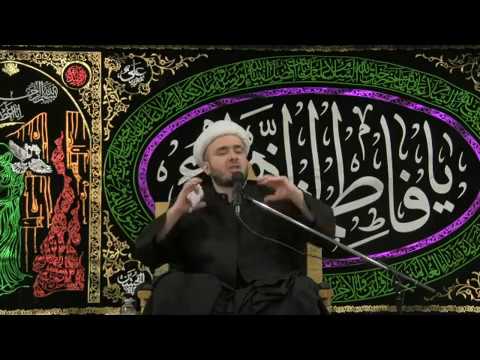
4- Jurisprudential Maxims - Finishing and Passing - Sheikh Azhar Nasser
0
0
42 Views·
24/07/24

In
Lectures
Jurisprudential Maxims (Qawa'ed Fiqhiyya), offered in 2019-2020, is now available to take online at Al-Hujjah Islamic Seminary. The first five classes are available to view as a demo to get an idea of how the course is instructed. To register for this class, see all class videos, and take the exams, visit hujjahseminary.com. For any questions, email us at [email protected]
Show more
Transcript
[0:00]I will learn you min ash-shaytani r-rajim bismillahi r-rahman r-rahim al-hamdu lillahi
[0:12]rabbil alameen wa sallahu wa salam ala jami al anbiya you will
[0:16]Saleem say dinner I want to be in a Muhammad wada and
[0:25]innovatively being upon in a long silence cannot rely on Adam almond
[0:32]califo ah in him Manila on Anatomy Dean Bashar Assad really angry
[0:40]warlock determined asani of Pahlavi salam alikum brothers and sisters were to
[0:49]line you about a cartoon I'd like to welcome you all to
[0:56]our fourth session on jurisprudential maxims alhamdulillah we have been able to
[1:00]complete the first jurisprudential Maxim we completed it in our last discussion
[1:09]where we finished I that's loud too hot a maxim of not
[1:14]repeating today inshallah we'll begin a discussion on the next Maxim that
[1:27]is mentioned in the the Arabic version the original version of the
[1:29]book has collided Fatiha and we will this discussion will probably span
[1:37]maybe two to three lessons so inshallah we'll we'll start off by
[1:41]speaking about the maxim itself and the basis of the maxim so
[1:50]the jurisprudential Maxim that we'll be covering are actually two that have
[1:56]been combined into one chapter so we'll be speaking about by that
[2:00]either 12 which means the maxim of finishing and we'll speak exactly
[2:10]about what that means and either to taja was the Maxim of
[2:14]passing and they both generally pertain to the prayer now scholars have
[2:19]extended it to other areas of FIP but generally the bulk of
[2:26]the discussion surrounding these two Maxim's are related to the to the
[2:34]prayers now the book typically dedicates a chapter to each jurisprudential Maxim
[2:45]but this chapter ii chapter combines two so why is it that
[2:52]we are discussing two jurisprudential Maxim's in one chapter whereas if you
[2:57]look at the other chapters each jurisprudential Maxim is discussed independently so
[3:06]these are two separate Maxim's our Ida tool Farah and identity' Jawas
[3:15]there are two separate Maxim's but the reason why lemma that scholars
[3:20]have combined them is because of the similarities between the two so
[3:27]because there is so much overlap between our Ida to infer odd
[3:33]and I detect a Jaa's and it's really difficult to speak about
[3:39]them in isolation scholars have combined them under one discussion I'm sorry
[3:45]what was that brother can you uh okay I guess I have
[3:57]to do that so scholars have combined them into one discussion because
[4:04]of the overlap and it's because it's difficult to speak about one
[4:10]without mentioning the other now jurists have used these Maxim's to derive
[4:16]many rulings pertaining to the prayer as well as other subjects in
[4:22]Islamic jurisprudence so if you open up the legal manual of your
[4:25]manager especially in Catawba Salah especially on this section of the rules
[4:31]of prayer you'll find that a lot of the the their religious
[4:38]rulings go back to these Maxim's they're actually based on these Maxim's
[4:46]by the Tal Afar and tied it at two jaws now what
[4:55]is the meaning of Qaeda to infer ah and Pilate at a
[4:59]Jewess now there is a difference there's actually a difference of opinion
[5:03]there's a debate among scholars regarding the meaning of these two Maxim's
[5:09]and specifically what distinguishes tide that will far off from our debt
[5:18]at the jaws now me resent nahi me his view so we're
[5:25]gonna begin by you know mentioning really to two main schools of
[5:32]thought when it comes to this this these discussions when it comes
[5:36]to these jurisprudential Maxim's elitism now any and incidentally Mirza now eeny
[5:44]is actually the teacher of sale Hui he's one of the most
[5:50]illustrious jurists of the the last you know century and or century
[5:55]and a half he he's actually also buried in the harm of
[6:00]Amir al-mumineen on a sediment his his views are often cited in
[6:09]the discussions of Baja dodging Anna Sewell and infill now Mills and
[6:16]Nene he believed that the maxim of finishing high debt relief Allah
[6:23]refers to having doubt about the validity the correctness of the prayer
[6:29]as a whole after you have finished it so he believed that
[6:35]if someone had doubt after they finished their prayer whether their prayer
[6:41]was sahi or not they can assume that is correct based on
[6:44]par de to follow so lemme listen now any believe that the
[6:51]maxima finishing I didn't fall out refers to having doubt about whether
[6:55]your prayer was correct or not after you've already finished the prayer
[7:00]whereas the maxim of passing by that Atta Jawas refers to doubt
[7:06]about a part of the prayer after you have entered the next
[7:13]part so I'm in little court now and I have doubt if
[7:19]I recited surah al-fatiha if I've recited it correctly I continue my
[7:29]prayer is valid and I continue why because I have a doubt
[7:37]about a part of the prayer that has already passed this is
[7:40]the meaning of eyelids at Tazawa so you've already passed that part
[7:46]of the prayer and you've entered the next part of the prayer
[7:50]so you ignore that doubt so Millicent naeimi basically argues that the
[7:57]meaning of these two Maxim's is that when a person doubts the
[8:05]validity of their prayer there are two scenarios so these Maxim's by
[8:10]the tree fall off and by that at a Jawas are dealing
[8:17]with doubt and when a person doubts whether their prayer was correct
[8:20]or not there are two scenarios sometimes a person doubts the validity
[8:25]of the prayer after they have completed it so first scenario I
[8:31]doubt whether my prayer was correct or not after I have finished
[8:34]the prayer and other times a person doubts during the prayer whether
[8:43]they whereby they doubt about a previous part after having entered the
[8:48]next part of the prayer so according to shake Lanai knee or
[8:56]him Allah he basically says that if someone doubts the correctness is
[9:02]Saha the validity of the prayer after they have finished you pray
[9:07]salat to vote for example and after you finish slaughter boy you
[9:14]ask yourself what's that prayer correct did I performed correctly either too
[9:19]far are the maxim of finishing dictates that you assume the prayer
[9:25]is correct if someone has a doubt in the middle of the
[9:34]prayer you doubt during the prayer regarding a previous part of the
[9:40]prayer after having entered the next part so you're you're offering your
[9:43]Salah and in the middle of the Salah you're in the core
[9:45]for example and you doubt whether you recited surah al-fatiha correctly did
[9:52]I make mistakes when I recite so that when I recited surah
[9:56]al-fatiha because you have entered the next part of the prayer you
[10:03]can assume that the previous parts the sort and Fatiha that has
[10:07]passed you can assume that it is correct based on the maxim
[10:19]of passing based on puja was so this is Mills and Nene's
[10:24]understanding that by the tool Farah and Ida - tada was essentially
[10:34]the difference between them is either tool Farah the doubt comes after
[10:40]you have finished the prayer either to to Jawas is a doubt
[10:44]that occurs in the middle of the prayer about a part of
[10:49]the prayer that has already passed and you have entered the next
[10:53]part of the prayer so this is according to the limit as
[10:59]any this is the distinction between by the tool Farah in the
[11:03]party that at Tazawa but as I said there's a difference of
[11:07]opinion among the folk aha regarding the indication of these Maxim's so
[11:18]another view another understanding of these two Maxim's is you know there
[11:22]are a group of scholars that have an understanding and and incidentally
[11:26]this is the view of say the holy so this is the
[11:33]view of of Mirza now any student a say that Hui say
[11:37]that Hui rahamallah he asserts that sometimes a person doubts about the
[11:47]validity of an act after having certainty that they have performed it
[11:54]whether the doubt is about the complete prayer or a part of
[11:59]the prayer and other times the doubt is about whether the action
[12:02]was performed to begin so here say the Hui makes a different
[12:09]total e different distinction and meals and naina was saying that the
[12:14]difference between Fatah and Tazawa is that for either to Faraz the
[12:17]doubt is is after the prayer has been completed whereas father took
[12:22]to Jawas the doubt occurs in the middle of the prayer say
[12:26]the police is known the difference is about the nature of the
[12:35]doubt itself sometimes you have a doubt about whether you performed an
[12:41]action correctly so the doubt is about whether you did it right
[12:45]you performed it correctly and another type of doubt is you doubt
[12:53]whether you did the action or not so for example sometimes I
[12:57]may have doubts about certain Fatah and this doubt could be one
[13:03]of two things either I doubt that I recited sort of two
[13:08]thought correctly so I know that I recited Sorensen Fatiha but my
[13:12]doubt is related to whether I could recited it correctly or not
[13:18]the second type of doubt is whether I recited surat al-fatiha to
[13:22]begin with I don't know if I even recited it so the
[13:24]doubt is about the existence or the non-existence of the act itself
[13:33]so say the hooey but DISA several he says that by the
[13:37]Tal Afar is related to ignoring the doubts about the correctness of
[13:43]the act after you have certainty that you did it and you're
[13:48]just doubting whether you did it right or wrong you performed it
[13:52]correctly or incorrect either to Teja lose the maxim of passing is
[13:59]related to ignoring doubts about whether you perform the action or not
[14:04]after entering into the next part so for example title for us
[14:13]is doubt about whether the act was correct or not so for
[14:17]example I finished my prayer and I have doubt about whether my
[14:23]prayer was correct or not I assume that it is correct by
[14:31]that age I was the maxim of passing is that if I'm
[14:33]in the middle of my prayer and I have a mineral core
[14:37]and I have doubt whether or not I even recited certain factor
[14:41]so we're not talking about whether I recited it correctly or not
[14:46]I have doubt that I even recited surah 10 fat according to
[14:50]say that who is understanding you can benefit from either two two
[14:55]jaws the maxim of passing you simply ignore that doubt you ignore
[15:00]you doubt that you even did it it's okay you've entered a
[15:04]new part of the prayer you can ignore that doubt so to
[15:09]summarize say that who he believed if one doubts the validity of
[15:18]an action after having finished it then Hema so basically you know
[15:24]that you did it you you have certainty that you perform the
[15:27]action your doubt is about whether you performed it correctly or incorrectly
[15:30]then you must assume that the action was performed correctly based on
[15:36]the maxim of finishing if one doubts having performed so you the
[15:45]doubt is about the existence of the act itself if one doubts
[15:49]having performed a previous part after entering into the next part then
[15:56]one should consider it as being completed that you assume that you
[16:03]did it based on the maxim of passing based on either to
[16:06]two jobs so you see you know sometimes you know we [Music]
[16:12]we assume that you know you know the doubt you know all
[16:17]of the scholars degree they agree about the meaning of these jurisprudential
[16:21]Maxim's but say the holy definitely raises a good point is the
[16:25]doubt about whether you did it or not or is the doubt
[16:30]about the validity of an action after you have certainty that you've
[16:33]performed it so you see our focal ha they have they have
[16:39]very analytical minds they don't just take things that say at face
[16:44]value they try to delve deep to truly understand the the meaning
[16:47]of the max now what is the basis where do these two
[16:57]jurisprudential Maxim's come from now of course we have many ayats we
[17:02]have many a hadith that that where these jurisprudential Maxim's are based
[17:09]on so the traditions so these jurisprudential Maxim's are based on traditions
[17:15]they're based on a hadith on ado ayat now when you look
[17:18]at the hadith you'll find that the traditions narrated on this topic
[17:24]the topic of having doubt about the correctness of the act or
[17:30]the existence of the act itself the traditions narrated on this topic
[17:34]are of two types some refer some of the a hadith refer
[17:41]to the ruling about the existence of something doubted meaning that the
[17:48]doubt is about whether the action was performed or not to begin
[17:52]with and then we have other narrations that shed light on the
[17:56]ruling about the validity of something being doubted so there is certainty
[18:01]about the existence of the act that it was performed and the
[18:06]doubt is related to whether or not it was performed correctly or
[18:11]incorrectly now as for the first time meaning there the ruling about
[18:14]the existence of something doubted we have an authentic narration from zaraba
[18:21]who who reports from imam sadiq erase now now before we we
[18:30]delve into the actual law narration I'd like to mention the Senate
[18:35]so this is a narration from zarada it's an authentic sahi hat
[18:42]Sarala and this narration is mentioned by shareable harmony and wasäôt Shia
[18:53]and Pharrell alarmingly transmits it from on the authority of Muhammad until
[19:03]Hassan was shocked Abu see be snotty he and Ahmed Mohammed so
[19:10]I'll read the Senate then and then one by one I'll mention
[19:13]the status of each individual so you understand why it's an authentic
[19:17]narration so it hasn't number one marigney Muhammad and Medina Muhammad bin
[19:28]even heaviness well Basanti and Hamad Narissa and Harry Zimm nabbed Allah
[19:35]I'm Zara anna liam am soldered now you take the first in
[19:41]the chain of transmission if you look into a solution cheryl omni
[19:45]mentions muhammad nur Hasan who is she her and Abu see is
[19:50]is too prominent to well-known and he's he is reliable beyond any
[19:58]any doubt the next person so she a root transmits on the
[20:04]authority of a from Ahmed evening Muhammad and this Ahmed Abdul Muhammad
[20:09]is a Medina Muhammad bin Isa and ashati he was a scholar
[20:16]of home he was a prominent figure a jurist who is was
[20:20]an in disputed juris Ahmed Abdul Mohammed reports from another Ahmed Abdul
[20:28]Muhammad they've been a be in heaviness el Basanti chicapu see who
[20:34]was also a scholar of Rajan in his region he mentions that
[20:40]even Basanti is FepA to enjoy you know odd that he is
[20:47]reliable and he is a prominent and eminent individual and then you
[20:53]have Hamada Maresa Hadees and zaraba and these individuals are among us
[21:00]haben hajima there is a consensus among the scholars the experts of
[21:04]rajala that these are the shining stars from the companions of imam
[21:09]asada and they are undoubtedly reliable so so the narration is saya
[21:18]and hearsay means that all of the individuals in the trip the
[21:24]chain of transmission are righteous there there there Aden and they are
[21:29]if not sherry they are 12 or Shias which means that there
[21:33]are feeder their beliefs are sound so the narration from zarada reads
[21:38]pulled to the ABA abdillah re salam ala jordan Chaka Phil Allen
[21:46]wada Hanif Allah upon la Emily ultra Jordan Chaka Phil evanwan Aparna
[21:52]and kebab Allah Allah's Salam my ultra Juran Chekov attack me or
[22:03]what par alehissalaam Yong Li all - Shaka Phil para la vaca
[22:07]Carla Reece Erin young we all - Shaka for group or what
[22:13]had said our ally salami on the aerosol artists from makan then
[22:18]the Imam said avoir la illaha watch them in shape from the
[22:21]healthy fear era he fashion cooker they said be shaved sir Allah
[22:29]asks Imam Assad so again we're trying to understand the basis for
[22:33]the Maxim's that we mentioned and these are speaking about doubts about
[22:39]V the existence of the act itself a Dao a man has
[22:46]doubts so a lot of sestina masada he gives him a scenario
[22:48]and wants to know the ruling a man has doubt as to
[22:52]whether or not he performed the Adhan after he had already he
[22:56]already started the akan day a memory synapses he continues meaning he
[23:00]continues with the arm I said user Otto says I said to
[23:07]the amount a man has doubt about the Athan and the apana
[23:12]and he has performed a technique so this person has recited Takeo
[23:15]to the Han and now has doubt whether they recited as an
[23:17]or Obama to begin he said he continues with the prayers I
[23:21]said a man has doubt in tech beer and he has started
[23:29]the recitation the Imam RA Salaam says he continues with the prayers
[23:34]Sarada continues and man has doubt about recitation as doubt in the
[23:41]recitation in the Koran in his bunk he's reached full or he
[23:44]said he continues with the prayers he ignores the doubt I said
[23:49]a man has doubt in bowing in it'll cool and he is
[23:51]Institute he's prostrating he said meaning the imam mahdi sanam says he
[23:56]continues with the freighters meaning he ignores the dock and then the
[24:01]imam gives him a rule of thumb he says o tharallah if
[24:03]you leave one thing and enter into something else you off when
[24:26]acting it disconnected for a second so this is one narration a
[24:33]second narration again relating to the the issue of doubting the whether
[24:36]the action was performed or not and another authentic narration by is
[24:43]my new job who reported that Imam and back Elias announces so
[24:47]again so this narration is from is my item the job so
[24:50]I get will go through the the descendant so this is a
[24:56]site tradition meaning that all of those who are mentioned in the
[24:58]chain of transmission are just and they are if not actually there
[25:06]are twelve or Shia so the reason why this narration is authentic
[25:11]is because again it's from Shahabuddin sad now there's a time gap
[25:22]between Sheikh Abu C and the person that he's narrating from about
[25:29]two three generations now Chekov busi mentions his pathway to to to
[25:36]sod to side of and Ogden de and chef Abbasi says acaba
[25:44]de la be ashame affines so chef Han will feed because then
[25:47]the narration says chef Abu see reports from sad it had been
[25:50]Abdullah but there's a time gap between chef of uchi and Sodom
[25:58]and Abdullah share a in an attention his Mecca which means the
[26:04]scholars that connect him to Sodom in Abdullah Chef a says chef
[26:07]mo feed told me it's a it's from chef mo feed from
[26:15]Chico Sidhu from chefs a Dukes father from side of in Ogden
[26:19]na so that's the link between Sheikh Abu C and Sodom even
[26:24]Abdullah so the narration is from sheikh abu science odds and I'm
[26:28]Edna Muhammad and ABI and Abdullah had named O'Hara and is my
[26:34]new job from Imam and baka now as for admittedly a management
[26:42]tip near ISA as we mentioned earlier chicapu C confirms his reliability
[26:49]that he is a scholar of own prominence fappy the father well
[26:55]my wallet Ahmed so the chain is I'm sorry Abdullah on Sodom
[27:05]now Abdullah and Ahmed bin Mohammed Ana a B so the father
[27:13]of a Medina Muhammad as for the father of Muhammad Allah Muhammad
[27:17]his name is Muhammad nice and a Shari and Najah she was
[27:21]an expert on the region he says that he is Sheikh Abu
[27:27]mean Wedgwood Azshara he's an M ypres a prominent figure of the
[27:31]hie tribe went to Adam and the Suppan he was even highly
[27:37]revered by the ruler of the time as a person of credibility
[27:40]and reliability and then you have Abdullah in Malaya and Najafi Susannah
[27:45]Joshi confirms that he is sympathetic he emphasizes his reliability liya I
[27:54]did will be he aahed on min Jae min generality Medina Hilo
[27:59]Allah no one comes close to him in his his eminence his
[28:03]religion and his piety when my smiting the job is married up
[28:09]in the job but who was the person whose do relate uh
[28:12]relating the transmitter narration from Imam and baba Sheikh Abu C mentions
[28:17]that he is one of the pious he's one of the companions
[28:22]of a phenom and bhavati cinema and he's praised he's mem doer
[28:26]so the narration is authentic it's my Edom the job but he
[28:32]says I asked the Imam about this issue of doubts and the
[28:38]Imam says in Shikoku bada message at phalion we were in chat
[28:43]cafe sujood bottom up on valium li kulli shayin shock fe him
[28:52]Emma at jaw was a who define a fear a valium really
[28:58]imam muslim and battle says if he doubts about bowing after having
[29:02]prostrated he continues with the prayer and if he doubts about prostration
[29:08]after having standing after standing he continues with the prayer anything that
[29:15]you doubt so again he gives you a rule of thumb the
[29:17]amount says anything that you doubt that has passed and you have
[29:25]entered another part should be ignored and he should continue with the
[29:30]prayer so that's the first category of narrations narrations that speak about
[29:36]the ruling about what to do if you doubt whether you performed
[29:39]an action or not after you have passed it the second type
[29:46]of traditions which shed light on the ruling about the validity of
[29:51]something being doubted so there is no doubt about whether it was
[29:53]performed or not but rather the doubt is about whether it was
[29:55]correct or not so we have a narration it is a left
[30:02]upon a malessica of muhammad any Muslim who reports from Imam and
[30:07]bath now why is this narration left so we have Sahara which
[30:14]is authentic and we have an authenticated a muhfucka now the reason
[30:19]why this narration has the status of mawatha is because in the
[30:27]change so Asahi trans Asahi IDs is a narration where all of
[30:32]the individuals in the chain of transmission are just their pious their
[30:36]righteous and they are 12 or shots this narration is left open
[30:41]because in the chain of transmission is an individual by the name
[30:47]of Abdullah okay Abdulla Edna mukhiya is reliable but he's not a
[30:54]Twelver Shia he is Papa he he believed in the Imam of
[31:00]the line of fire the son of Imam Asad Ali Sarah so
[31:05]he basically did not believe in the imama of a mammal cow
[31:09]so because of the presence of Abdullah bleep okay who is Fatah
[31:13]he the narration so he's reliable he's a reliable trustworthy person but
[31:17]his a beta is not correct and therefore it is considered moussaka
[31:23]so the narration from Imam and baka is what will Emma Shiki
[31:29]caffee mimma that mother family come on anytime you doubt about something
[31:40]that has passed just continue with it as is meaning ignore the
[31:46]doubt assume that you performed it correctly now another narration now here
[31:53]as so he had to Muhammad in the muslim an authentic tradition
[31:57]from muhammad even Muslim who is a one of the top students
[32:03]of imam al back or any masala peer reports that imam al
[32:06]bathra said and again if we look at the the narration you
[32:14]he says Kalama shake act fe ba da Matta for Adam insalata
[32:23]Cavalli wallah tote or wallet right anytime you doubt about something after
[32:30]finishing your prayer just continue and do not repeat your prayer do
[32:40]not repeat it now when it comes to this narration the chain
[32:50]of transmission is so we mentioned why it was was worth ducking
[32:57]so the chain of transmission mentions chicapu see it mentions that he
[33:07]he narrates from al-hussein edna sahib was SEPA according to the experts
[33:12]of rajan Abdul Ivanov okay Shaka again considers him reliable but his
[33:17]Papa he I'm sorry I'm reading the UH this is the wrong
[33:23]narration so uh so this is a psychic tradition they're all at
[33:29]now I should he had the I didn't record the the Assad
[33:31]is not mentioned so this is a psychic tradition so he had
[33:38]somebody been Muslim all of the individuals are 12 or Shias and
[33:41]they are righteous now will conclude with this narration inshallah we'll continue
[33:51]our discussion next week on on the scope of the the Maxim's
[33:54]and and the other questions relating to it we have a narration
[33:58]called the mawatha pam of bouquet ribbon hi now this is an
[34:07]interesting narration because so because it's more fact that we know that
[34:11]there's someone in the chain who is not a Twelver Shia but
[34:16]in addition to that some scholars have an issue with this narration
[34:22]because it is the transmitter does not mention who he is asking
[34:27]this question to it is only the pronoun is mentioned so the
[34:34]so bouquet Davina en he says wouldn't allow I sigh he says
[34:37]I asked him but him is not mentioned is he asking the
[34:43]Imam or is he asking someone else vote allahu allah Junu yesupadam
[34:46]i at Halawa what is the ruling regarding a person who doubts
[34:53]after performing ablution so here we're also seeing that these Maxim's are
[34:58]not only restricted to prayer perhaps they can even be applied to
[35:02]other other acts of worship Allah Julia Roger Lou Jakub Adam ayat
[35:10]Allah Allah Allah who are hain who are hanya Tavo of the
[35:13]cattlemen Renea shook the he said he is more aware during evolution
[35:22]then when he doubts now so some scholars debate about whether this
[35:28]can be used as evidence because we don't know who boo caleb
[35:35]anion was speaking to because only the pronoun him is is mentioned
[35:41]now some scholars say that if the person who is transmitting the
[35:48]narration is a very prominent individual be a scholar then even if
[35:56]the imam is not mentioned we can assume that the pronoun him
[35:59]is referring to a because such personalities would not ask 50 questions
[36:06]to anyone other than the hamas so and this book hail so
[36:13]this is called movement okay the hadith that mentions the pronoun of
[36:19]bouquet oh they pronoun transmitted by bouquet now bouquet is is not
[36:26]an ordinary person so scholars they consider this an acceptable narration even
[36:32]though the he doesn't say that he asked the imam but we
[36:35]can assume that the pronoun him refers to the amount because we
[36:44]have statements a statement from an on Assad up about bouquet that
[36:49]when this look here have been a peon passed away when he
[36:52]died Imam Asad Ali said I'm grieved so much so that the
[36:59]Imam even said mo Allah laugh at the anzala allahu boehner vasu
[37:04]lillahi wa Amir al-mumineen salawats embody when mu caravan ayan dies to
[37:11]show you how prominent this individual was that when he died he
[37:19]mama solid acharya ram says that he has he is now in
[37:21]the company of rasool allah and I'd even have you thought so
[37:27]it is inconceivable that someone like buchaiah even ayan would ask someone
[37:34]other than the imam about an issue related to to fill so
[37:39]skal say that even though Michaela and I didn't say he asked
[37:42]Imam and Bathory malasada we can assume that the person who is
[37:47]speaking to India is Emma soon so scholars say that if if
[37:55]it's a prominent person like bouquet of anion who is asking a
[37:59]question and the person who's answering is not named and only leave
[38:03]lemmi of the pronoun is mentioned it is her gem we can
[38:07]assume that he was speaking to the amount but if it's an
[38:09]unknown person who is asking a question and the one who's who
[38:16]he's speaking to is not identified then we cannot give any weight
[38:20]to such traditions now chef Milani he says no even if the
[38:27]Imam is not identified we can assume that the pronoun refers to
[38:31]the Imam because it is there's an ID vanie there's an understanding
[38:39]that these types of questions are only asked from the Imams and
[38:46]shekel L battle heroine he says that L mother Murat the pronouns
[38:54]are ara would definitely refer to the Imam he says why is
[38:59]because he says NL Arab lieth karoon of the mir mujahidin Ann
[39:08]Murgia Roger la belle Muhammad Oh Carol of Amir but bel meta
[39:11]mother of Amir the Kurama who will merger with leather your gerini
[39:18]that the the custom of the Arabs was that whenever they mention
[39:22]a pronoun they mention who the pronoun goes back to but because
[39:26]the pronoun doesn't identify it doesn't go back to an identifiable person
[39:31]this person must be so well known and so prominent that they
[39:38]don't even need to mention who the pronoun refers to because it
[39:43]is known that the person who is being questioned is the imam
[39:52]ali salam and self so these are the narrations are some of
[39:57]the narrations that serve as the basis for our attitude for our
[40:00]and our debt at the jaws so we spoke so far about
[40:07]mahmoud al qaeda the meaning of the b-2 Maxim's and we mentioned
[40:11]the view of meals and Nagini and we also mentioned the the
[40:15]view of sada Hui Amira's and now any argued that either tool
[40:21]for us the maximum finishing refers to doubts that you have about
[40:29]whether the prayer was correct or not after you have finished the
[40:33]prayer whereas Farida tutor Jawas refers to doubts that occur in the
[40:37]middle of the prayer about an action that has already passed after
[40:40]you have entered the next action say that Hui Rahim illallah believes
[40:47]that by that will far off refers to doubts about the validity
[40:53]of an action after the prayer has been performed meaning that you
[40:58]are certain that it was performed and your doubt is about whether
[41:03]it was performed correctly or incorrectly and by that Attah Jawas according
[41:09]to say the Hui is a doubt that is related to whether
[41:13]it's it's about what if we reach related to whether or not
[41:19]the action was performed or not so if you are in a
[41:21]court for example and you have a doubt whether you even recited
[41:27]surah Fateha or not you can ignore that doubt so the doubt
[41:30]is related to the to the performance of the act itself and
[41:36]then as you see we mentioned the medulla Coulthard attained the source
[41:41]or the basis of these two Maxim's and we mentioned a few
[41:46]of the narrations and some of the the Ajani issues related to
[41:50]them that concludes our session for today my respected brothers and sisters
[41:54]inshallah we'll continue our discussion on either 24th and by the twenty
[42:02]Jawas and the scope and the different instances in which these Maxim's
[42:09]apply inshallah I look forward to seeing you all next week so
[42:11]Allah Allah say you do not want to be in a Mohammed
[42:15]wanna debate Cynthia being a Pauline
0 Comments
sort Sort By
- Top Comments
- Latest comments