التالي
0 المشاهدات · 23/09/08
1 المشاهدات · 24/01/06
1 المشاهدات · 24/03/12
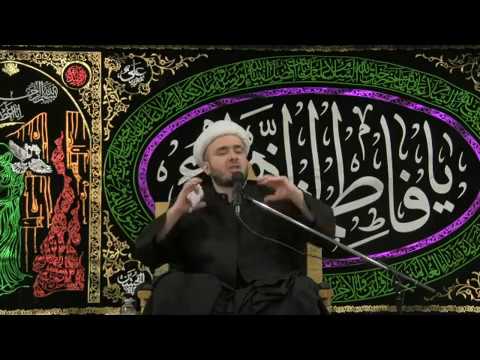
12- Dhul Qarnayn, The Quest - Sheikh Wael Alzein
0
0
1 المشاهدات·
24/03/23
في
محاضرات
أظهر المزيد
Transcript
[0:03][Music] [Music] in [Music] [Music] [Music] th [Music] [Music] in [Music] [Music]
[1:58]you [Music] [Music] be [Music] Al Muhammad Ali [Music] Muhammad Allah in
[3:37][Music] [Music] for [Music] Allah [Music] [Music] alhamd [Music] [Music] alhamd alhamd
[5:35][Music] [Music] ald [Music] [Music] [Music] all [Music] Allah [Music] for [Music]
[7:54][Music] for [Music] in [Music] [Music] for [Music] [Music] alhamd [Music] aldd
[9:44][Music] [Music] ald [Laughter] [Music] ald [Music] ald [Music] [Music] ald [Music]
[11:19][Music] Al [Music] [Music] alhamdulillah [Music] [Music] ald [Music] [Music] ald [Music]
[12:58]alhamd [Music] for [Music] [Music] for [Music] [Music] [Music] [Music] Allah [Music]
[14:58]hlusin Muhammed Ali [Music] muhamed muhamed Ali Al [Music] muhamed [Music] [Music]
[15:50][Music] Sal [Music] for [Music] [Music] for [Music] all [Music] [Music] [Music]
[17:57]all [Music] [Music] [Music] for [Music] [Music] for [Music] [Music] [Music] Allah
[19:37][Music] [Music] for [Music] salaat I want to welcome you guys all
[20:42]back to our nightly Ramadan program here at Mecca uh before we
[20:45]get started will be here and sure he's just running a little
[20:47]bit late I have a few quick announcements um first thing um
[20:55]we still have a few more spots left for the annual three
[20:59]tables left for the community afar dinner that's happening on April 5th
[21:04]so if anybody still hasn't bought tickets and would like to please
[21:07]see Haj Hassan or Dr wiam or any of the board members
[21:12]tomorrow uh after the lecture we're going to be having a Q&A
[21:17]session with Sam afterwards and last thing before we get started here
[21:25]uh we just want to thank our nightly sponsors without them uh
[21:29]we wouldn't be able to provide these programs every single night so
[21:34]I would like to thank the sponsors for tonight SAR say say
[21:44]Ali Hussein Alia sayal RZA kazim KMI Jamal Fatima kazmi say Akbar
[21:50]Abbas and another anonymous sponsor if you could please read on behalf
[21:57]of their please so unfortunately uh is running a bit late I
[22:17]know it's uh a lot of snow outside and might be bad
[22:22]driving conditions uh inshallah we'll be here shortly we still have some
[22:25]refreshments in the back for anybody who would like to have some
[22:28]so please go go ahead and inshallah we'll get started as soon
[22:33]as gets here thank you should I was gonna say something you
[23:53]want to say something few minutes muham muhamad so just to take
[24:57]advantage of this time since we need just maybe six seven minutes
[25:00]uh for the she to arrive I'm not prepared for any lecture
[25:05]so I'm just going to mention something it's always in my heart
[25:12]and in my mind Muhammad Ali Muhammad you know there's um there's
[25:24]a strong relation between Shahar Ramadan and and the most important beloved
[25:31]living human being on the earth IM and my faith and our
[25:43]faith is really very weak um to a point that it's hard
[25:51]to melt in his love um the least we doing right for
[25:58]him is just reciting Dua and right now we're we're reciting du
[26:05]Ramadan which [Music] is so this enough to melt in his love
[26:16]or what should we do in fact he is the honest and
[26:26]trustworthy scholar he was honor to meet Al IM Al Mahi but
[26:33]there's a story he said that he had a friend he was
[26:37]honored to meet Al IM Mahi at his own house and she
[26:44]bah asked his friend did you ask Imam Al Mahi when is
[26:51]the reappearance or or the the and then he said yes I
[26:56]asked him Imam Mahi said yes it's soon and then that that
[26:59]friend said how soon IM Mahi said it's very very very soon
[27:04]and then that friend said am I going to be living in
[27:09]this time when you're going to reappear he said even the people
[27:12]old older than you they're going to see this so he said
[27:20]so she B asked him again um Muhammad mammad it's it's an
[27:28]emotional one but he said even the older people will see this
[27:39]reappearance so of what's going on right now in Gaza in lebnan
[27:44]in jabal in Iraq and in Yemen don't you think that Allah
[27:51]is preparing the ground for his reappearance I do strongly believe in
[27:56]this so they asked she how old was your friend he said
[28:02]he's he was 62 years old he was 62 years old she
[28:07]B died in uh 2009 so that's 15 years ago so let's
[28:15]say that story happened 20 years ago or 30 years ago do
[28:21]you think if that's a true story there's still a chance that
[28:24]he will reappear in our time I do believe so because it
[28:30]came from from a trustworthy scholar she B and everyone knows he
[28:34]never lied he's not saying this just to say it so there
[28:42]is a 50% to 100% that this may happen so I just
[28:44]wanted to remind myself before you remind yourself that we really have
[28:49]to do something and we really have to prepare for Imam Mahi
[28:52]especially when we're looking right now around what's going on in the
[28:57]world so I just wanted to mention this and this is just
[29:07]a suggestion so tomorrow for thear you know when I said there's
[29:12]a strong relation between Shah Ramadan and IM M because he is
[29:15]going to reappear in in Ramadan it could be this month this
[29:17]month could be next year who knows right Allah can do it
[29:24]at any time so um I say tomorrow uh during time when
[29:29]you do thear just make it for the love of IM M
[29:34]and this is uh also for of someone I know and he's
[29:40]in need for that ha so have that Nia have that in
[29:47]intention tomorrow atar to do that for For the Love of Imam
[29:57]muh huh should I read Quran while we're meeting for waiting for
[30:25]molana I will just cover them with this small [Music] nid y
[30:45]mam [Music] as yeah mam [Music] [Applause] [Music] is yeah mam [Music]
[31:33]m [Music] [Applause] [Music] a bull [Music] [Music] mam [Music] G [Music]
[32:45][Music] Musta sh BU [Music] [Music] muham as [Music] mham [Music] muham
[33:54]Muhammad Muhammad is here so I think it's not appropriate for me
[34:01]to keep continuing I would like to request Manana please come on
[34:04]the podium thank you very much the most lesson that I focused
[34:50]on inah Al Subhan Allah was literally the verse that says and
[34:55]do not say that I will do this thing tomorrow last night
[35:00]I promised the doctor that inshallah that I should come here early
[35:03]not only I didn't show up early but I actually showed up
[35:09]late wonderful things happen huh they do indeed M and dear Bor
[35:19]I request to recite Surah Al Fat please and a side note
[35:38]mainly for the doctor I love everything about the Pakistani culture except
[35:41]for the food that's the only thing that I can tell everything
[35:43]else I'm in love with straight up [Music] aldam [Music] [Music] to
[36:53]hasten the reappearance of our awaited IM our request we recite three
[37:01]salawat with the loudest of our voices respected brothers and sisters in
[37:24]Islam when one looks into the works of the historians who documented
[37:30]the life of the one can't help but notice that they separated
[37:37]the lives of the B mainly the imams into two different eras
[37:45]the first era they say began with the of and the second
[37:52]Muhammad Ali Muhammad I've explained to you before that according to the
[38:00]Pakistani culture every time you mention the name of a masum they
[38:02]recite the salawat so I guess today the majority they are we
[38:06]have to adhere to this and then gain more blessings Muhammad Muhammad
[38:14]wonderful so they separate the era the they separate their lives into
[38:18]two different eras as we said that the first era begins in
[38:22]the life with the life of and the second era they and
[38:30]and it reached up until the martydom of IM Hussein as for
[38:33]the second era it began with Imam Z up until the occultation
[38:40]of the 12th IM and what is the difference between two those
[38:51]two eras well according to them during the first era the bit
[38:58]mainly the children of Imam they believed that they had the right
[39:04]to the and mainly they considered themselves that they were the natural
[39:07]successors of the Prophet sallallahu alaihi Ali wasallam and thereupon they strived
[39:12]politically and therefore you would notice that for example IM was a
[39:20]part of three main political conflicts within the Islamic um and even
[39:24]imass his war that lasted up until 10 years with muan ending
[39:31]with a peace treaty between them and then even IM Hussein that
[39:35]he struggled in the path of Allah subhanahu wa ta'ala and thereupon
[39:39]was marted on the land of carala so they say that during
[39:43]the first era mainly the B they were a part of political
[39:46]conflicts they took a part in such political conflicts within the Islamic
[39:50]umah yet in the second era according to such historians we would
[39:56]notice that the imams did not take a part in any of
[39:58]those political conflicts if anything they stuck to their duties socially and
[40:04]mainly focused on so for example when we look into the life
[40:11]of IM you will find that the historians focus more on the
[40:17]of IM on the spirituality of IM or for example when we
[40:22]come to the life of IM you would find that the focus
[40:27]was on IM establishing the foundation of the University of IM and
[40:34]there on thereupon even moving on to the life of IM that
[40:40]he was more concerned in doing he formed a university where he
[40:47]preached the concept of T taking advantage of the fall of the
[40:49]umayya Dynasty and the rise of the Abbas Dynasty in this regard
[40:55]so those historians believe that basically after Imam Zid Alam the imams
[41:00]were not interested in politics whatsoever and as much as such belief
[41:05]contradicts the AA we have in the school of thought that politics
[41:08]can never be separated from religion NE no religion can be separated
[41:12]from politics because the imams in reality in our definition are ones
[41:19]who are appointed by Allah subhanahu wa ta'ala and they're given the
[41:23]task of both the legislative guidance and the formative guidance regardless whether
[41:27]they were in rulership or not this is not the issue you
[41:34]know that the famous Hadith by IM by alai wasam and where
[41:37]he says meaning alass and Hussein are two imams whether they did
[41:47]rise with a sword or no whether they didn't whether they did
[41:50]not take a part of any political conflict they are still imams
[41:55]and this is our AA in the imams of the meaning that
[41:57]even though they were not rulers politically they did not take the
[42:03]or the imama that is their right but they still are considered
[42:06]imams and are considered leaders so basically such belief contradicts the belief
[42:11]that we have in the school of thought but one cannot but
[42:13]admit that such historians they did or even whoever looked into the
[42:20]works of such historians that idea did create a split in the
[42:23]Shia world is that there are Shia nowadays that do believe that
[42:26]for example as an example we are not supposed to form a
[42:32]government during the time of the occultation of the Imam and others
[42:35]might believe that yes sure that a perfect Islamic government can only
[42:42]be guided by an infallible Imam to achieve absolute Justice and that
[42:46]Imam is obviously rules from the Divine Law of Allah subhana wa
[42:50]tala yet during the time of Thea is that it is worthy
[42:56]for us to try and form a foundation for our aw IM
[42:58]and such Difference by the way many of it was kept within
[43:03]the academic conflict meaning Scholars from that side and schols from the
[43:06]other side each one of them has their own proofs and each
[43:09]one of them have their own principles that they present in their
[43:14]thought but many of it stayed as an academic conflict and hopefully
[43:18]hopefully it stays so but on the other hand we would notice
[43:20]that if there's anything that we learned from the story of and
[43:26]Al is that sometimes even if the Imam is hidden yet he
[43:32]still has that responsibility of leading and we said that the likeness
[43:39]of him and is the fact that they were both hidden was
[43:43]not aware of of the fact that there was a hidden IM
[43:48]that possesses a certain type of knowledge that even musam wanted to
[43:51]be led by in order for him to learn that type of
[43:57]knowledge isn't it yes and then on the other hand you would
[43:59]notice that the Quran presented to us the story of right after
[44:03]the story of it is almost that the Quran is giving us
[44:07]two examples that in some cases an Imam can be hidden yet
[44:13]still performs the tasks from Allah subhanahu wa tala as we mentioned
[44:17]earlier on the behalf of the tongue of that in the last
[44:22]when he parted ways Witham what did he tell him and I
[44:26]did not do everything every task that I performed it was not
[44:31]from my own command but this is the interpretation of which you
[44:37]could not bear patience with isn't it so you find that the
[44:42]Quran has given us two examples in this regard the first example
[44:44]is that hidden Imam hidden leader appointed by Allah subhah wa taala
[44:49]and is leading and is performing tasks that affect the community isn't
[44:53]it just like the tasks that were performed by Alam and on
[44:58]on the other hand he moves on to the story of which
[45:00]was an apparent leader appointed by Allah subhanahu wa ta'ala to conquer
[45:05]the Earth and spread Justice anded on this Earth and a beautiful
[45:11]Del of this a beautiful proof of this is a questionnaire that
[45:13]came to im a man came to Imad and he asked him
[45:25]and he said what is your r on this earth and the
[45:30]narration by the way is narrated from both IM and Im so
[45:34]the questioner asked them both is that what is your rank on
[45:38]this Earth and can you give me an example from the Quran
[45:40]is there anybody like you from the previous Nations that exist as
[45:47]prior to the nation of wasallam and they replied back by saying
[45:50]what it said the likeness of us is indeed and both of
[45:56]them were not Messengers and were not prophets by Allah yet there
[46:00]were Scholars who were appointed as leaders and as imams so they
[46:07]can lead during their era and focus on the reply of IM
[46:12]meaning what they gave the questionnaire an example of two types of
[46:16]leaders one of them is hidden as we mentioned earlier which is
[46:20]Alam and one of them is apparent meaning that whether the imams
[46:27]were in position of rulership or not they would still lead under
[46:31]the command of Allah subhanahu wa ta'ala and what I would like
[46:34]to do tonight is to begin dissecting the story of as mentioned
[46:39]inah Al and I would like to do so depending on the
[46:44]following point the first one is that let us reflect back on
[46:46]the verses that we started with in Surah Al the verses that
[46:52]right away tackle the story of the second point is that I
[46:56]would like to shut Del light on the concept of or basically
[47:01]what is referred to in the Holy Quran given power in the
[47:04]land was that was totally attributed to according to the verses that
[47:11]we started with and the third Point let us examine the means
[47:14]that were given to from Allah subhanahu wa ta'ala and how did
[47:20]he use such means to accomplish his tasks and before I proceed
[47:23]I would like you to provide me with a loud salawat we
[47:32]said that as we said in our introduction for the series of
[47:36]lectures of dissecting the narratives of Surah alah we said that there
[47:40]are three stories mentioned in Surah alah and those three stories are
[47:44]separated from one another yet in reality the subliminal messages in those
[47:49]stories it is almost as if they all relate together in some
[47:53]factors we mentioned certain factors previously and now we move to the
[47:56]third and final narrative in Surah Al dissecting in this series while
[48:03]I'm at your service inshallah and we said that this is the
[48:06]story of we spoke about the companions of the cave we spoke
[48:11]about and then now we're moving on to the story of what's
[48:16]interesting first what's worthy to really highlight in the beginning is that
[48:20]you notice that right away after the story of right away the
[48:26]verse begins with where the story of the companions of the cave
[48:32]and the there was a separation in the middle and it's as
[48:36]if Allah subhana wa tala is telling us directly that I gave
[48:41]you an example about a hidden leader a hidden Imam mentioned in
[48:44]the Quran as Imam says and then I will move on to
[48:49]give you an example of one who is a parent that's the
[48:52]first difference the second difference is in the way the prophet sallallahu
[48:56]alaih alhi wasallam was asked about what did we say we said
[49:01]that the reason of the revelation of Surah the cave was that
[49:05]qur sent three people to the Christians and the Jews of njan
[49:09]why so they contest the prophet and examine the authenticity of his
[49:16]message depending on the questions that they will receive from the Christians
[49:20]and the Jews of njan in return the Christians and the Jews
[49:22]of nran they told them to ask the prophet sallallahu alaihi Ali
[49:25]wasallam about three separate things the first one are the companions of
[49:30]the cave as we dissected earlier and the the second question was
[49:33]about the spirit the r where Allah answers the questions of Surah
[49:36]Al is this is not our concern in this B in this
[49:41]research the third one was about a man who conquered the Earth
[49:44]from the East to the west and what's interesting here is that
[49:49]the Quran expresses beautifully the way they asked the question Allah subhana
[49:54]wa tala begins in verse number 83 saying they question you concerning
[50:03]you see what's interesting here is that they did not ask about
[50:07]the identity of right and that's the second difference in the story
[50:11]of the question came in a form is that tell us the
[50:18]identity of that man who was led by and who possessed a
[50:24]type of knowledge that even a messenger of Allah did not possess
[50:27]yet in this story they're saying no they question you concerning the
[50:31]meaning what meaning it's as if that the Arabs and the religious
[50:35]communities that lived in the Arabian Peninsula back then had a general
[50:42]idea about meaning that there is a man who ruled and he
[50:45]was considered an emperor but was able to conquer all the Earth
[50:49]and spread in this regard when we look into the era of
[50:55]believe it or not and that's simply why because it is almost
[50:57]the Quran presenting to us a time frame where when the lived
[51:03]many of the historians and the commentators of the Holy Quran they
[51:08]come to a conclusion that the era that lived in was between
[51:11]the era of ibraim and is and the era of yam and
[51:19]yfam that why he existed between two eras there's a Hadith that
[51:24]comes from Imam in this regard that says that the first two
[51:27]people who shook hands in the Kaa were and IIM and some
[51:34]narrations that performed pilg grimmage with his army with his army that
[51:39]was extremely vast in fact some even suggest that they were up
[51:42]to 600,000 soldiers in his army and then he met with IIM
[51:47]and they shook hands in the Kaa so that was the era
[51:52]of as mentioned in the Holy Quran and thereupon when they asked
[51:55]about they said what he said is that tell us about not
[52:04]the identity of and as for the identity of the believe it
[52:06]or not it's been a topic of dispute for decades amongst historians
[52:11]and from different religious communities even amongst commentators of the Holy Quran
[52:17]within the Islamic school of thought what yet inshallah within the following
[52:20]nights we would shut the light inshallah on a recent research done
[52:25]about the identity of of and we can find out who was
[52:30]because is a title and not a name there's aith that arises
[52:40]from IM in this regard when a man came to IM and
[52:49]he asked him about and imali briefly speaking it's a bit of
[52:55]a long Hadith but the just basically the summary of this Hadith
[52:58]that he told him that he was a man who lived amongst
[53:01]his people and he preached to them so they stried him the
[53:04]first time on his head and then Allah subhana T sent him
[53:07]again and then they striked him for a second time on his
[53:11]head and therefore he was referred to as if you were to
[53:13]transliterate the meaning the one with two horns and that's something that
[53:18]we will dissect as I said when we speak about the identity
[53:21]of within the following nights inshallah and then IM continued saying what
[53:27]and there's a likeness of amongst you referring to himself that as
[53:33]we all know within those blessed nights the nights of of of
[53:39]he was stried on his head in Salat and thereupon they asked
[53:41]him about just tell us what like stories concerning what do you
[53:47]know about so as we said it's as if they had a
[53:49]background about the fact that there was a man who existed and
[53:55]ruled by Divine Law and conquered the Earth to spread so that's
[53:58]the first point that we would like to reflect upon so Allah
[54:01]subhana says the reply from the prophet Sall Al wasallam and I
[54:09]want you to focus on this reply says say I will relate
[54:17]to you an account of him meaning see the prophet sallallahu alaih
[54:21]wasallam did not reply back saying I will tell you everything about
[54:25]right yet he says I will relate to you an account of
[54:30]him vikra here and I would like to focus a bit on
[54:35]this vikra here means what the commentators of the Holy Quran that
[54:38]said they said it could mean three different things the first one
[54:41]vikra meaning that I would like to narrate to you or I
[54:46]would like to speak to you from the purely from what has
[54:49]been revealed to me from Allah subhana wa tala because the Quran
[54:53]is referred to in numerous other verses in the Quran as what
[54:56]as isn't it fine so Allah subhana so wasallam is saying what
[55:01]he's saying that I will narrate to you but from what has
[55:06]been revealed to me and that is basically a very direct message
[55:08]to the mush of qur meaning that I as a prophet when
[55:13]you ask me a question in relation to my message I will
[55:15]only reply from the revelation of Allah subhana wa tala it is
[55:20]not my own opinion that I will speak of or my own
[55:22]independent knowledge because my knowledge comes directly from Allah subhana as the
[55:28]Quran expresses beautifully in he does not speak nor does he ER
[55:39]out of Desire except that everything he says is a revelation from
[55:42]Allah subhana tala and that's the first meaning of vikra the second
[55:46]meaning of vikra meaning what that I will relate to you as
[55:50]the Quran the translation here says to you an account of him
[55:54]meaning that I will only tell you a portion of his life
[55:59]I will not speak about everything concerning but I will speak to
[56:04]you concerning his journey of Conquering the East and the west of
[56:06]the earth and this is what we will find out within the
[56:11]following verses that come after right that's the second meaning and the
[56:15]third meaning which also combines the the top two like all the
[56:18]above is the fact that no I will narrate to you about
[56:21]the I relate to you an account of the comes from the
[56:27]word reminder reflection Allah says in the Quran remind for reminding is
[56:36]good isn't it so I will relate to you an account of
[56:38]meaning the stories that I will narrate to you about are the
[56:43]ones that are worthy to reflect upon are the ones that will
[56:46]be put in use for your lives and we said that within
[56:50]the previous nights is that the reason why the Quran narrates to
[56:53]US stories is simply for the purpose of reflection ction the Quran
[56:59]is not trying to fill up a book of Storytelling isn't it
[57:02]is that Allah subhana wa tala left certain details in certain stories
[57:05]and focused on other details simply so we can reflect and learn
[57:11]and thereupon the reply from the prophet Sall Al wasallam says what
[57:16]came saying what meaning that what I will narrate you is worthy
[57:21]of so you can always reflect on the stories of the and
[57:25]we said that the whole reason in fact of why we mention
[57:27]the history of the Quran is not for the sake of history
[57:31]but simply to learn on moral and learn how to apply them
[57:33]in our lives and make a relation the whole point of this
[57:38]series is to make a relation between the personas mentioned in those
[57:42]narratives and Imam Zan so Allah sub says and then it says
[57:58]what in verse number [Music] 84 so the first thing he defined
[58:12]with is what is the ability of and isn't that interesting so
[58:15]he didn't begin even by identifying the Persona of but what did
[58:21]we offer Allah says here indeed we had indeed granted him power
[58:29]in the land so the first thing I need to understand as
[58:33]a reader of the Quran is that that Persona called Allah himself
[58:39]provided him power over the land he was able to dominate over
[58:44]the land with the power that was given to him from who
[58:49]from Allah subhanahu waala and this is what is referred to as
[58:53]the concept of T what is T if we said remember what
[58:58]we said in general is that the Quran explains Quran isn't it
[59:01]so the concept of is being given power ability and rulership when
[59:06]we open other verses in the Holy Quran that tackle the concept
[59:11]of tamen we will find out the following first of all if
[59:14]we were to open Surah alhaj verse number 41 Allah subhana says
[59:25]what those who if we granted them power in the land meaning
[59:39]when Allah grants power to someone in the land what do they
[59:46]do will maintain the prayer give the zakat bid what is right
[59:49]and forbid what is wrong mean they command to which is good
[59:51]and forbid from which is evil so that's the concept of t
[59:56]meaning Allah is telling me that when we provide Power in the
[59:59]land to someone they perform the following tasks and bid what is
[60:04]right and forbid what is wrong and with God Rest the outcome
[60:06]of all matters in another verse in the Holy Quran we find
[60:09]in Surah anur verse number 55 Allah subhah wa tala says what
[60:37]the verse that we always say is related to Allah says in
[60:43]verse 55 in Surah an God has promised those of you who
[60:47]have faith and do righteous Deeds there's a promise from Allah subhana
[60:52]wa tala that he will surely make them successors in the Earth
[60:57]just as he made those who were before them successors how isn't
[61:06]it and he will surely establish for them their religion which he
[61:11]has approved for them the dean that Allah subhah wa tala has
[61:16]over and we all know that the verse the other verse that
[61:18]speaks about the where Allah subh says and I now I am
[61:34]pleased with this religion with Islam being the religion for you so
[61:39]that's the second notion of T we find also in Surah Alas
[61:44]and I'm really focusing on this concept because remember how the focal
[61:48]point in the story of Surah of the companions of the cave
[61:51]and the focal point on the story of mus was what was
[61:56]rash was the concept of guidance in both stories meaning that they
[62:00]both wanted a guidance a formative and a legislative type of guidance
[62:07]from Allah subhana T through the and here the focal point of
[62:09]the story of is indeed so you can understand the actions committed
[62:13]by just like we can understand the actions committed by Al in
[62:19]verse number five to those and we desire to show favor to
[62:32]those who were oppressed in the land and to make them imams
[62:36]and to make them the aers the successors and then what's what
[62:39]does he say in verse number six and to establish them in
[62:47]the land so also the concept of giving them the power of
[62:51]the land finally if we were to reflect on Surah Yu here
[62:57]there there's even a beautiful understanding of the concept of T that
[63:02]it can occur upon stages in suah yu verse number 22 you
[63:07]find Allah subhana T what does he say and then Allah subhana
[63:21]wa tala speaks about yfam sorry given given that knowledge of my
[63:26]bad my bad it's not in Surah 22 it's in Surah 56
[63:29]sorry in Surah verse number 56 again the concept of T this
[63:41]is how we establish YF in the land that he may settle
[63:49]in wherever he wished we comfor our Mercy on whomever we wish
[63:53]so the concept of T baile mainly is related to what to
[63:59]having that possessing that type of power over the land and given
[64:02]by who by Allah subhanahu wa ta'ala and therefore Allah subhana wa
[64:05]tala says that the first thing that you need to understand is
[64:09]what is that remember what we spoke about last night when we
[64:16]spoke about the ofah AL that one Allah subhana wa tala speaks
[64:21]in the plural sense by saying in meaning by all his attributes
[64:24]Allah subhana T and therefore here here he says so we had
[64:31]indeed granted him power in the land given by who by Allah
[64:34]subhana wa tala so the concept of T does not come by
[64:39]gaining that power no it comes from who from Allah subhanahu wa
[64:43]tala and that's the same concept of that Allah subhana shall Grant
[64:52]to im as there is a a lot of similarities between and
[65:00]and then he says what in verse number 84 and then he
[65:07]continues he doesn't just say not only we gave him power because
[65:11]sometimes power is not sufficient if it's not supported by what by
[65:18]the means to achieve what you need to achieve as a result
[65:21]of gaining this power and we gave him the means to all
[65:29]things you see the word sabab in Arabic what does it mean
[65:36]you see many of us right now use it in terms of
[65:41]referring to a reason right is that what is the reason it
[65:44]says what is the the Saab yet in reality the word Saab
[65:51]in Arabic in the Arabic language literally refers to the Rope they
[65:55]used to use when clim being a palm tree so until this
[66:00]day you find that even in hij and Saudi Arabia people that
[66:02]pick the dates from the palm tree what do they use they
[66:04]climb the pal palm tree using the rope and every time the
[66:09]word sabab is used in a in in in a phrase in
[66:13]the Arabic language it is literally referring to that rope meaning that
[66:17]there are something that will you can use to get you to
[66:20]accomplish a task so that's the word sabab when Allah subh here
[66:26]is saying that and we given him the means of all things
[66:29]when we reflect on those means we find that those means consisted
[66:39]of basically power ability and ruling meaning that we have made everything
[66:45]subservient to a Hadith comes from the imams concerning from more than
[66:52]one Imam in fact when he was asked about the means that
[66:55]used the imams replied back by saying that was given the power
[67:02]he was given the ability he was given rulership and he was
[67:05]given a military power yet the extra means that Allah subhana T
[67:09]provided him with is to be able to move around the earth
[67:14]with abnormal speed because if you were to think about the Journey
[67:17]of the in fact the way he conquered the Earth in a
[67:22]relatively short period of time if you were to think about is
[67:24]that how was he able to move such such a huge military
[67:29]with him everywhere he traveled one of the imams suggested that the
[67:32]imams answer back by saying that he was given the means of
[67:34]riding the clouds meaning what that he was able to fly now
[67:41]now and don't call me on this but many of the commentators
[67:44]of the Holy Quran they went into a dispute about this meaning
[67:47]did he have a certain type of technology that he was able
[67:50]to fly or no did he literally was he literally able to
[67:57]move around using the clouds right so the means that were given
[68:00]but the main thing that we need to understand that the means
[68:04]that were given to the was basically were basically means that would
[68:07]Aid him into breaking the laws of physics just like the means
[68:11]that was given to who the successor of musam that he was
[68:15]able to bring the Throne of balis in less than a blink
[68:19]of an eye less than a blink of an eye not even
[68:23]a blink of an eye that even one of the Jin was
[68:27]not able to to remove or bring the Throne of bis with
[68:30]that type of speed so basically was given this unusual miraculous type
[68:34]of speed to be able to move and therefore Allah subhana and
[68:42]what from everything and given him the means to All Things Not
[68:45]only traveling but every time he came across an obstacle he had
[68:53]the means to overcome such obstacles everything and and this is such
[68:58]a from Allah subhana wa tala is that he provided with all
[69:01]means everything that is present that he has the means to achieve
[69:08]and then the Quran continues by saying what you see not only
[69:13]that we gave him from all things or means to All Things
[69:16]No but here the Quran is almost highlighting the capability that was
[69:22]present in to begin with in order for him to be provided
[69:27]with that with those miracles from Allah subhana wa tala is that
[69:30]we said in the beginning that was given what power over the
[69:36]land power in the land the absolute power from Allah subhana tala
[69:39]and then Allah continues by saying that we also provided him with
[69:42]means but on top of this is that no he himself so
[69:48]he directed A means so in general if I were to focus
[69:55]on these verses I would I can separate the means that were
[69:58]given to into the following the first one is that he was
[70:04]given intellect because it is impossible for one to be able to
[70:08]rule and conquer the Earth and be given the responsibility to spread
[70:11]over the East and the West without being given that power of
[70:14]intellect and remember when we focused on the notion of and the
[70:20]story of alam and M Alam and I think we spoke about
[70:24]it enough and we dissected the whole topic of having that obviously
[70:28]through that intellect isn't it so the first means that he was
[70:32]given his what intellect he had that power of intellect uh in
[70:36]him and then the second one is a sufficient perspective of knowledge
[70:43]that aids him to accomplish the tasks Allah subhana T assigned him
[70:48]to accomplish so he was given intellect and then he was given
[70:51]and there's a separation between both by the way is that yes
[70:57]can be present with someone but if that person does not have
[71:00]the ability to think constructively then they can have a lot of
[71:03]but will not be able to preach that properly this is why
[71:07]by the way one of the most interesting topics you study in
[71:09]hza is called the science of logic and the way they Define
[71:14]logic is what is that obviously the they say every human being
[71:17]has intellect you're born with intellect you're born with the ability to
[71:21]think yeah logic teaches you how to prepare and how to think
[71:27]constructively so you can come out to what conclusions or else every
[71:34]every person of US thinks isn't it see many of us as
[71:36]soon as we stand on Salat our mind just goes away it
[71:39]just starts roaming away start thinking about things that are absolutely unusual
[71:42]May mainly in the month of Ramadan come to sleep Subhan Allah
[71:45]every single thought comes to your mind every single thought that's even
[71:49]illogical comes to your mind so you can stay up interesting on
[71:54]the other hand you find that Allah provided with that sufficient amount
[71:58]of knowledge the sufficient perspective of knowledge so he can use it
[72:04]in performing his tasks and the third one is the wisdom to
[72:07]manage such means you see we spoke about that I think within
[72:12]the previous nights when we spoke about the notion of R and
[72:14]the notion of being provided with wealth or even any type of
[72:19]ability it's interesting that many of us sometimes can be provided with
[72:22]from Allah subhana tala but we might not have the ability to
[72:25]manage this properly isn't it find some people some sometimes they gain
[72:30]wealth see it says on a side note here the scholars of
[72:34]Ethics in Islam they say something really interesting they say there are
[72:38]two types of people that you need to fear the reaction the
[72:44]first one the first ones are the ones who get exposed to
[72:47]sudden wealth sudden wealth you find a person that had nothing and
[72:50]all of a sudden they find let's say for example they found
[72:53]that they have an inheritance right and then they get exposed to
[72:57]sudden wealth the scholars of Ethics here say that fear the reaction
[73:01]they tend to lose their intellect in many cases there's even an
[73:06]expression used that's called the novo in French right the newly Rich
[73:10]they always want to be flashy they always want to flaunt that
[73:12]wealth right say they gain something they always want to flaunt that
[73:16]wealth and that's why they say there's a difference between rich and
[73:22]wealthy right rich is let's say for example LeBron James he's Rich
[73:25]wealthy is the white man that signs his check and that's the
[73:28]difference between both so basically you find the newly Rich right the
[73:30]new re they always that that fear the reaction they might react
[73:37]in dangerous ways they say the second type of people are the
[73:40]ones who get exposed to sudden loss of wealth right so the
[73:45]first type sometimes they don't know how to manage their money why
[73:48]do you find sometimes you read them the stories of athletes that
[73:51]all of a sudden they end up poor they end up begging
[73:53]they end up homeless because they don't know they yeah sure they
[73:58]have the ability they have the talent they have the money but
[74:01]they just don't have the management skills they do not know how
[74:04]to manage their money and that's why what happens as a result
[74:08]is what they lose their wealth they lose it they overspend right
[74:12]the second ones are sudden loss of wealth people who just suddenly
[74:15]lose wealth on the spot again as a result of what not
[74:21]having the management skills on that well so that's the third one
[74:24]and the fourth one is the military power the law enforcement you
[74:29]see every ruling system has to have a military power that's a
[74:37]given every ruling system has to have a notion of law enforcement
[74:40]to be able to implement the law because yes Society consists of
[74:44]different types of people not all of them are willing to adhere
[74:48]to the law and that's why that military power was provided to
[74:51]is that yes if I were to conquer over the world and
[74:57]spread the notion of I will need military power why so I
[74:59]can face my enemies with and that's exactly what Al wasallam established
[75:05]as many people come and say well if the religion of course
[75:07]the sword was one of the means that did spread the religion
[75:09]of Islam but how through the battles right you're not going to
[75:13]stand in front of your enemies and confront your battles with Dua
[75:16]no you're going to need that military power in fact isn't it
[75:23]so and then the third and the final last one is the
[75:26]materialistic ability that materialistic ability I want you to keep that notion
[75:31]in mind because it will come into we will explain it more
[75:36]when it comes to the story of Y and Ma go and
[75:38]Magog because we all know that reached to a point on Earth
[75:43]where he had to confront Gog and Magog and I will end
[75:45]this inshallah tonight moving on to the following nights to dissect further
[75:51]the Journey of in the earth and I will end with the
[75:54]foll muham
0 تعليقات
sort ترتيب حسب
- أعلى تعليقات
- أحدث تعليقات
التالي
0 المشاهدات · 23/09/08
1 المشاهدات · 24/01/06
1 المشاهدات · 24/03/12