

Up next
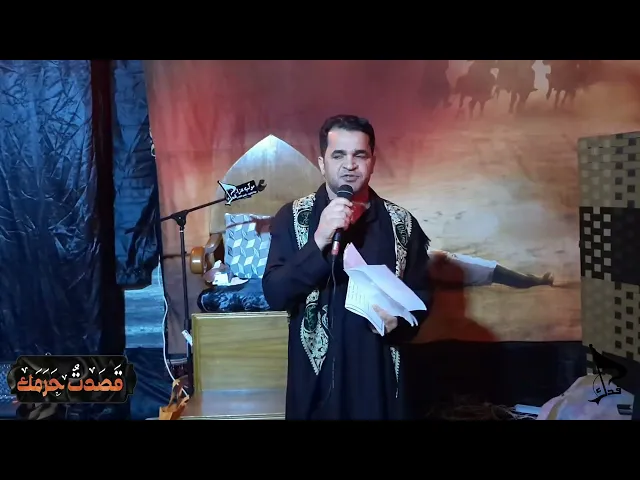
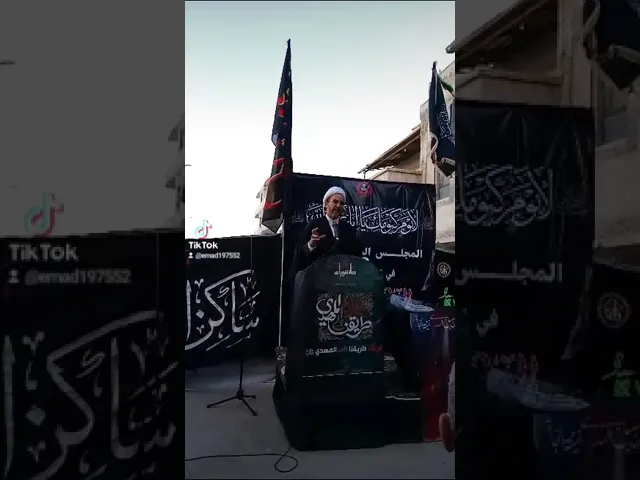
LYF - Islamic Psychology 3 + Dua Kumayl 04/01/2024
0
0
8 Views·
24/07/12

In
Lectures
LYF - Islamic Psychology 3 + Dua Kumayl
Please donate: https://pay.sumup.com/b2c/Q4BLI3CT
📱Follow @Lebaneseyouthfoundation (Instagram/Facebook) and Join https://chat.whatsapp.com/D98gi493pZdBsBVi8rXP2L
Show more
Transcript
[2:29]and [Music] [Music] alhamd [Music] [Music] for [Music] in [Music] in [Music]
[4:47][Music] l [Music] [Music] [Music] for [Music] for [Music] for [Music] for
[7:03][Music] [Music] for [Music] [Music] for [Music] for [Music] mam [Music] Allah
[9:31]muhamed [Music] muham [Music] mamed [Music] [Music] for [Music] [Music] for [Music]
[11:52][Music] for [Music] yeah [Music] [Music] for [Music] [Music] [Music] for [Music]
[13:47][Applause] for [Music] [Applause] [Music] [Music] [Applause] [Music] and [Music] for [Music]
[15:14][Music] for [Music] for [Music] [Music] sub [Music] [Music] [Music] [Applause] [Music]
[16:27]for [Music] [Music] for [Music] for [Music] [Music] for [Music] [Music] [Applause]
[18:16][Music] for [Music] [Music] [Music] for [Music] for [Music] [Music] [Music] for
[19:59][Music] [Music] [Music] for [Music] sh [Music] [Music] for [Music] [Music] [Applause]
[21:49][Music] for [Music] [Music] for [Music] [Applause] [Music] for for [Music] [Music]
[23:56]for [Music] [Music] for [Music] for [Music] [Music] for [Music] for Fore
[26:08][Music] [Applause] be [Music] [Music] [Applause] for [Music] for [Music] for [Music]
[28:26]for [Applause] [Music] [Music] for [Music] [Music] for [Music] for [Music] [Music]
[30:23][Music] for [Applause] [Music] for [Music] for [Music] for he heart [Applause]
[32:03][Music] [Music] for [Music] for [Music] [Music] m [Music] [Music] [Music] [Music]
[33:55]for [Music] [Music] [Music] and for [Applause] [Music] for [Music] [Music] yeah
[35:56]yeah [Music] [Music] y [Music] [Music] y y [Music] [Applause] [Music] [Music]
[37:25]for [Music] [Music] for [Applause] [Music] [Music] y [Music] [Music] [Music] for
[38:56][Music] [Music] for Allah [Music] [Applause] [Music] Allah [Music] [Applause] what [Music]
[40:40][Music] [Applause] [Music] for [Applause] [Music] [Music] for [Music] [Music] [Applause] for
[42:03][Music] [Music] [Music] for [Music] [Music] for [Music] [Music] muhamed [Music] muhamed
[43:32][Music] [Music] [Music] for [Music] brother for that beautiful recitation brothers and
[44:22]sisters asalamu alaykum welcome back to part three uh in our uh
[44:26]Dua K lecture series titled introduction to Islamic psychology inshallah uh in
[44:32]just a short while we will welcome she Zer is to start
[44:37]his lecture on the iceberg theory of Islamic psychology uh again uh
[44:43]brothers and sisters uh you know without your generosity these programs cannot
[44:48]run so we do have uh the uh donation link I've sent
[44:50]it on the LF community group we also have the machine outside
[44:55]and a cash box so inshallah um any little helps so without
[45:03]further Ado please welcome she Z with a loud Salaam muhamad muham
[46:15]firstly it behoves me to congratulate you all on the ofam alhamdulillah
[46:27]in the last couple of weeks we have managed to areas areas
[46:33]in the first lecture I talked about some of the terms and
[46:36]set some examples of what is covered in Islamic psychology that might
[46:40]be slightly different from psychology itself in the second lecture we took
[46:47]a look at one of the earliest treaties in Islamic psychology we
[46:51]unfortunately did not get enough time to get through the whole of
[46:54]that treaties but afterwards especially among the brothers we got to open
[46:58]up some of the other parts of it as well again my
[47:01]recommendation is to very much take that treaties on board and take
[47:04]a look at it it's only about 30 pages uh in English
[47:09]and the translation is available quite easily I had a very interesting
[47:16]question after the program someone said to me that you know many
[47:19]of the strategies that I heard you mention in the part that
[47:22]you talked about in the lecture those are quite obvious to me
[47:28]they seemed to be something that I would do and uh that
[47:32]came from a person who was more experienced maybe slightly older been
[47:37]through things in life and had thereby learned many things in life
[47:42]and that I think is actually a testament to how good that
[47:48]treaties is that treaties encapsulates wisdom that you learn over time so
[47:53]if you're able to take that wisdom at an early age then
[47:59]it will set you up for the difficulties that are to come
[48:02]ahead and of course one of the key characteristics that Al was
[48:05]talking about was that it's good to surround yourself with people that
[48:13]are wise about these issues because when you yourself find that your
[48:16]emotions are out of control or your analysis of the situation is
[48:22]somehow hampered you will listen to the people that make sense so
[48:26]it it could be something you already know so for example you
[48:30]might know you shouldn't have a crazy Outburst okay you might know
[48:36]that but in the situation it might be hard not to have
[48:39]the Outburst so you need people around you that will reconfirm what
[48:45]you already know so I just wanted to share that as well
[48:48]cuz that was a a good Insight uh that a feel uh
[48:54]brought that together today we are going to look at a solid
[48:56]Theory it's the iceberg theory of Islamic psychology and this all starts
[49:04]out with understanding what we're talking about when we talk about an
[49:08]iceberg so the iceberg theory is something that is spoken about in
[49:12]Psychology in general now what is it about an iceberg that serves
[49:16]as a good illustration for psychology if you look at this picture
[49:21]you might notice a few things the first thing that you will
[49:27]notice from this picture is that there is a part of the
[49:29]iceberg that is above the water and a part of the iceberg
[49:34]that is below the water usually when you're sailing on a ship
[49:37]you will not see what is below the water you will see
[49:41]what is above the water and that is supposed to be an
[49:43]example of how we see each other when we see each other
[49:50]what we see is above the water but what Bel what what
[49:56]uh what else else of that person that we don't see is
[49:58]what lies below the water and that is why the iceberg is
[50:05]larger underneath the water than it is on the surface so what
[50:08]are the kind of things that would be above the water things
[50:11]like a person's style things like a person's facial expression things like
[50:17]behaviors that we see regularly okay those are the kind of things
[50:23]that will be above the water level in the iceberg what would
[50:28]be things that would be below the iceberg things like feelings like
[50:37]past experiences like triggers like traumas all of these things make up
[50:41]what we don't see about a person so what the illustration does
[50:44]immediately is it shows us that there's an outward aspect to a
[50:50]personality and an inward aspect of the personality and that these two
[50:56]are connected okay our sense of style tells us many things about
[51:02]a person's personality in the same way the way Rea we will
[51:05]react in a situation tells us many things about what is going
[51:11]on with but the interesting thing about an iceberg when it comes
[51:15]to a person is that while for the external World there is
[51:19]a certain water level so there only certain things other people will
[51:23]recognize about you from the out side for each and every person
[51:30]the water level itself is lower you know more about yourself than
[51:35]other people know in summary but that doesn't mean that there is
[51:41]more about yourself that you're unaware that you're that you're not aware
[51:45]of so while you may be in touch at times with your
[51:47]feelings your thoughts your emotions and maybe some of your past experiences
[51:54]and so on and so forth there is actually a whole wealth
[51:56]to a person that is sometimes beyond their actual grasp in fact
[52:02]the way we understand the soul in Islam is the soul is
[52:08]is something that is so vast that the epistemological tools that we
[52:13]have like our mind like our heart they are not vast enough
[52:19]to actually understand the depths of the Soul onto a human being
[52:23]there are parts of the soul that we we comprehend and parts
[52:25]of the soul that we don't comprehend so this is the basic
[52:28]model now how can we move towards an Islamic version of this
[52:35]model this is a this was proposed by a scholar called Abdullah
[52:39]rman in one of his most recent books I think this book
[52:45]was uh is actually 2023 maybe 22 23 this is what he
[52:52]proposes for an iceberg model of Islamic psychology which then can be
[52:59]used in Psychotherapy and he uses terms here that you might have
[53:05]seen before the first term is the Naps okay the Naps or
[53:09]the vital self is what we'll talk about in a little bit
[53:12]of detail today the second is the or the intellect the third
[53:20]is the and the fourth is the r these are four aspects
[53:23]of the soul that we can use to understand what is going
[53:28]on within a person and there's a couple of points uh about
[53:31]this diagram before we look at it in detail the first thing
[53:35]is to do with the r the r is something that is
[53:42]not well known to us we don't understand all of the F
[53:46]facets of the r we know that Allah subhana wa ta'ala has
[53:50]breathed into us a and I bre breathe within him from my
[54:00]R of course Allah doesn't have a r this uh connection to
[54:02]Allah subhana wa tala is sure it is to show how blessed
[54:07]and how great the r is just like uh when we talk
[54:09]about the Kaa it's called The Bait of Allah or the house
[54:14]of Allah it's not because Allah has a house it is because
[54:17]that place is so blessed and so great in the eyes of
[54:22]Allah that he attributes it to himself so the r as well
[54:27]it has the station but the r is something that we can't
[54:30]fully grasp it is something that is beyond our grasp entirely and
[54:35]that is why it's there at the bottom of the iceberg and
[54:37]it connects here with what I'm saying in the sense that there
[54:42]are only certain things we know about ourselves there is of course
[54:46]more to talk about that uh in the sense that what the
[54:49]limitations of our own faculties are and what the extent of our
[54:51]soul is because our soul is supposed to be Eternal as well
[54:57]well and eternal means not temporal but that is its own uh
[55:00]area so that's the first point the first point is is that
[55:05]the lowest level of this iceberg is the r and the r
[55:09]is not completely in our grasp the other thing to note about
[55:16]this is that the NS is above the water level okay if
[55:18]you remember what I said is that above the water level is
[55:21]something that is apparent and below the water level is something that
[55:29]is not apparent here the reason why the Naps is above the
[55:33]water level is because this model is for you as a person
[55:39]or for someone who is actually practicing Psychotherapy so for you your
[55:45]NS is something that you can be aware of such that it
[55:49]is not hidden to you yeah and also for someone who is
[55:53]trying to help you with that discussion of your NS they should
[55:56]also be able to understand the enough from uh their session with
[56:00]you but as we start to move below the water level there
[56:06]is the and the so what is the NS I'm hoping many
[56:11]of you have heard of different models of the NS or at
[56:16]least heard of the Naps there are two key models in Islamic
[56:20]literature when we talk about the Naps the Naps essentially talks about
[56:28]the very basic uh pulls and the very basic forces of any
[56:35]human being and this is the first model I'm going to show
[56:38]you it is one that like I said is very very widespread
[56:42]in in the Islamic intellectual tradition when m s comes onto explaining
[56:51]the human development he starts out by saying that when a child
[56:57]is born born the first force that appears within them is desire
[57:00]desire as you see here is a force it's a pulling force
[57:06]a force that will pull benefit towards yourself so the child knows
[57:11]that it needs to benefit from milk it needs to benefit from
[57:14]comfort and it will cry and make a fuss if it doesn't
[57:20]have these things okay so it will that motivating desire within them
[57:25]is something that will then affect their behavior such that they will
[57:31]uh pull those things towards them so it's a pilling Force obviously
[57:36]it's not bad it's a good thing if a baby doesn't feel
[57:40]a sense of desire and doesn't call out for milk or Comfort
[57:46]when it need then it will not continue to survive because it
[57:49]would not draw attention to that to that need okay so the
[57:54]desire is a good thing to realize that that there there is
[57:59]a need there and to pull that benefit towards themselves is a
[58:04]good thing the next thing that develops within a child and for
[58:08]those of you that have children you will know what happens at
[58:11]the age of two it's called terrible twos yeah and then you
[58:17]will also know what happens at four it's called horrible fours and
[58:21]for those of you who are not parents yet in between the
[58:27]age of three there's nothing different it doesn't stop between two and
[58:31]three it carries on the whole way what happens at this stage
[58:34]is that within a child they build a sense of anger they
[58:41]start to have Tantrums yeah they start to demand what they want
[58:45]in a very different way from the kind of innocent way uh
[58:49]as when they were little babies and the force of anger is
[58:55]a pushing force Force okay it's supposed to push away harm and
[58:59]this is why you'll notice that many times when you are trying
[59:04]to protect someone or when you're worried about something you will react
[59:10]with anger because anger like it says here is the force that
[59:12]makes you push away home so for example if somebody is walking
[59:14]down the road and they're about to get run over okay we
[59:20]will shout out to them or we'll pull them hard away from
[59:24]that Danger okay because what we want to do is deflect harm
[59:29]or conversely sometimes if we come home for example from work and
[59:32]we're very very tired and we see that the housework has not
[59:38]been done for example or the house is a complete mess and
[59:42]perhaps there was someone at home that could have tided up the
[59:45]mess we will start to feel annoyed okay and angry the reason
[59:52]we feel angry is because we feel that there's going to be
[59:55]another J job on our plate and so we react to that
[60:01]with anger we try and push away that harm from our sense
[60:03]that we need to relax for example in the moment and if
[60:07]you think about these two forces these are the key forces one
[60:11]pulling Force One pushing force if you think about this in all
[60:18]the different uh times and situations in life you will find that
[60:21]most of what is going on within a person can be summarized
[60:24]in one of these two things either desire either in a positive
[60:31]way or in not such a positive way okay a pushing force
[60:34]and a pulling Force now the next thing to develop inside a
[60:39]child is the third one imagination so what you find is that
[60:43]after a little while you can start to you know uh talk
[60:49]about uh fantasy stories and other things to do with the imagination
[60:52]things like uh counting and numbers and more abstract things as they
[60:56]grow up okay and the imagination is a multiplying force again it
[61:04]is not bad inherently it is something that is good inherently in
[61:08]fact what the philosophers say is that if we didn't have imagination
[61:14]we wouldn't be able to find our way home because whenever we
[61:18]go somewhere in order to find our way back we have to
[61:21]recall all of the images that we took along the way and
[61:26]put them in reverse order and we can only do that with
[61:30]an imagination without an imagination you can't do that but imagination is
[61:36]a multiplying force and of course as we know when it is
[61:39]mixed with either desire and anger it can amplify these forces okay
[61:47]so for example say you're hungry and you start looking at pictures
[61:52]of food noways it's almost like Instagram knows when you're hungry right
[61:58]you get these videos all with the you know delicious places to
[62:02]eat and things like that what happens is is that you have
[62:07]the desire to pull the benefit towards you which is hunger but
[62:11]then with the extra stimuli what happens is that your imagination also
[62:16]plays into that situation yeah and you can imagine having something really
[62:21]great you go to the same place that is advertised in the
[62:23]store and it ends up being not as good as you thought
[62:26]it would be or the same thing with anger if someone angers
[62:32]you many times if your thoughts after that were put into a
[62:36]Serial you could probably make a five episode series of the intricacy
[62:41]of the crime that you're about to carry out on that person
[62:45]right our imagination can multiply and take out of context all of
[62:52]these basic forces okay so imagination which is a multiplying force now
[62:57]these three forces are the forces of the nafs everything that we
[63:06]are motivated to do either in a good way or a bad
[63:11]way comes from these three it is good when it is consistent
[63:14]with our ethical religious responsibilities and it is not good when it
[63:19]oversteps those boundaries okay so desire is good but within certain limits
[63:24]ations when desire overwhelms that is when it becomes bad so for
[63:30]example say you have a desire to do well at work okay
[63:37]essentially that's not a bad thing that's a good thing but if
[63:40]you're doing well at work means that you will therefore put down
[63:47]or sabotage other people that's obviously out of the bounds okay same
[63:51]with anger your anger to protect your children for example example is
[63:56]a good thing but if protecting your children involves harming another child
[64:03]that would be a bad thing okay your imagination is important for
[64:08]your creativity but if your imagination takes you towards a sin it
[64:13]is obviously a bad thing and that is why these forces all
[64:16]need a balancing force and that is what the intellect is and
[64:21]that is the last thing to come into the domain of a
[64:24]human being and and it is something that comes in gradually the
[64:28]intellect doesn't come in perfected right at the beginning is something that
[64:32]comes in gradually and grows over time until a person reaches 40
[64:37]that's where the intellect matures okay so this balancing Force what is
[64:43]the what is the point of this force it is to put
[64:47]the other three in the correct balance okay so for the model
[64:52]of the Soul if you remember going back to the iceberg the
[64:56]NS that is in the top on the top of the iceberg
[64:59]to understand that we need to understand these three fundamental forces okay
[65:05]now sometimes what I do when I'm teaching these is I put
[65:08]scenarios give you a scenario and you think about how to label
[65:14]what's happening within your soul with these three uh with these three
[65:22]issues okay so one I would recommend is that in your day-to-day
[65:26]life as you're going through things keep these in mind keep your
[65:30]pulling force in mind pushing force in mind and multiplying force in
[65:35]mind and as you are as you are going through as you
[65:38]are thinking about and reflecting what has happened you can actually put
[65:41]labels on them you can say this is coming from desire this
[65:46]is coming from anger this is coming from imagination and then figure
[65:50]out how to use the intellect to rebalance all of those the
[65:54]simple example of a scenario one of the scenarios that I sometimes
[65:58]give is that you're called into the office at work and the
[66:02]manager tells you that there's going to be job Cuts that's it
[66:08]that's the scenario what goes through your mind where are the forces
[66:13]what are your motivations at that point all of those things you
[66:16]if you can label them and understand them you will understand how
[66:19]your NPS is working and then you'll understand what you have to
[66:25]do with your intellect now keep this keep this model in mind
[66:29]this is the first one I'm going to explain one more model
[66:32]and then what I'm going to do is I'm going to give
[66:36]you a explanation of the NS in the Quran and hopefully you'll
[66:38]be able to put these three models together and understand this first
[66:43]layer which is probably the most important layer to understand uh as
[66:47]it comes to a person's psyche your own psyche and other people's
[66:53]psyche because once you understand your own soul in the on the
[66:57]level of the NS you will also understand other people's Souls yeah
[67:02]if you remember with Al what he said is that if you
[67:07]understand the temperament of someone and you understand the situation you can
[67:10]actually predict what effects that is going to have on the person
[67:16]is the same thing with the soul if you understand the soul
[67:18]the way the soul works and you understand what situation is facing
[67:25]that person you will understand exactly what is going through the person's
[67:31]soul now the soul is not something that is a just a
[67:33]mental thing the soul is something that you feel entirely think about
[67:41]when you've been angry yes there might have been thoughts in your
[67:43]mind but usually you can't even concentrate on those thoughts right the
[67:47]thoughts are so mixed up yeah what is really happening is it's
[67:51]almost like your whole being is is angry yeah that's the way
[67:57]your soul is even with desire when you're hungry you might not
[68:00]be thinking about anything but your whole whole being is hungry right
[68:06]that's what your soul is so these are the these are the
[68:08]pulls in your soul they don't have to be verbal when you
[68:13]recognize desire you can recognize it as the pulling Force that's why
[68:17]I call it a force yeah and anger as a pushing force
[68:19]and then imagination as the multiplier there so this is model one
[68:25]model two I also hope you've heard of before in some way
[68:28]is again a model that is very much widespread in the Islamic
[68:32]intellectual tradition and it is inspired from the Holy Quran so these
[68:39]terms are taken from the Holy Quran but as I'll show you
[68:45]in just a minute I they might not have been as accurately
[68:47]reflected as the quranic discourse itself so let me explain it to
[68:50]you the first is called thear thear is the aspect of your
[68:59]soul that keeps pushing you to do things that are not right
[69:03]it is basically in the cartoons the devil on one side of
[69:11]you constantly pushing you telling you and uh commanding you to do
[69:16]things that are not right things that are not good for you
[69:19]yeah it doesn't have to always be sinning yeah it is basically
[69:24]that pull towards doing things that are not good for you morally
[69:31]and good for you generally okay that's the it doesn't leave you
[69:35]alone when you want to do something you want to do it
[69:39]yeah that's what the naar is the on the other hand is
[69:46]the blaming Soul so that's the aspect of your soul that is
[69:50]your conscience yeah so once you've done something or once you're intending
[69:55]to do something that is not right the will tell you don't
[69:58]do that yeah it's like the angel on your shoulder fighting with
[70:01]your devil these two are interlocked in the combat of the self
[70:09]yeah it's a combat because these two are always fighting the Amar
[70:16]and the Lama are always fighting okay but eventually one of them
[70:24]will win either the Amar will win or the Lama will win
[70:27]and when that happens there's no more fighting the soul is at
[70:33]rest yeah and that's the last one the now of course in
[70:38]the literature we don't want to end up at the Soul at
[70:42]rest in the Amara what we want to end up is that
[70:43]the Soul at rest with this with the Lama winning the blaming
[70:48]Soul winning so the blaming soul is seen as essentially good the
[70:52]Amar is seen almost as essentially bad and these two are in
[70:58]a perennial struggle until the wins again this is a very easy
[71:07]model to use we've all felt that tension within yeah we felt
[71:11]the want to do something and at the same time the awareness
[71:17]that that is not the right thing to do okay but it's
[71:19]always easier said than done to let the Lama win yeah the
[71:24]whole point of it is that it's a struggle that's what we
[71:26]that is what is meant by Jihad or struggle with the self
[71:30]it is to that perennial struggle is one that has to be
[71:33]won by uh the Lama but if we take a look at
[71:42]the NS in the Holy Quran we will see a slightly different
[71:45]picture emerging slightly different picture emerging much of what we've said already
[71:51]is does emerge from that same narrative but something just just slightly
[71:54]different I'm going to add in here so as we've said the
[71:59]soul this is just now looking at the Holy Quran the soul
[72:02]in the Holy Quran is the mental faculty that gives rise to
[72:08]your desires your cravings and your appetites okay when you look at
[72:14]the na in the Quran it is usually connected to the verb
[72:19]yeah to desire if you look at the DU kumal we recited
[72:23]right now yeah Shan was able to lead me the wrong way
[72:31]because of the desires yes so the NS in the Quran is
[72:39]connected to desire when Allah subhana talks to the bani is he
[72:44]blames them that whenever a message whenever a messenger was was sent
[72:47]to them or came to them with what their souls did not
[72:53]desire they rejected them yeah yeah what against what your soul is
[72:58]Desiring okay you will also see in the Holy Quran that the
[73:04]na or the plural of Na is used with another verb which
[73:09]is is is again is one to indicate towards desire uh you
[73:13]know when you ask what you want to eat for dinner yeah
[73:16]you ask them what from the same verb here okay now the
[73:22]interesting thing is that human being never get rid of the NS
[73:26]we never get rid of Cravings soul soul Cravings in fact the
[73:34]Hereafter only makes sense if we still have enough okay so the
[73:39]purpose is definitely not to suppress our NS so that we don't
[73:42]feel it yeah that actually gives us an inhuman experience yeah makes
[73:49]us like a robot why do we know that the soul remains
[73:53]off to death is because we can't enjoy anything without a soul
[73:57]yeah if we have nothing to enjoy then we won't enjoy heaven
[74:00]and if we don't want anything then we won't feel any suffering
[74:04]in hell as well so we definitely retain this Soul it's not
[74:09]something bad the NS here are that I'm talking about okay but
[74:17]before we die yeah it is the it is the it is
[74:23]the thing the appetitive promptings that are put there of the NS
[74:26]can lead us to violate the moral principles that we're supposed to
[74:30]have and in fact can lead us to uh worshiping other than
[74:37]Allah as well so if we look uh at the story of
[74:40]Canan Canan Canan Abel or the biblical Canan Abel we have yeah
[74:50]so he Soul made it nice for him or he followed the
[74:57]prompting of his soul to uh kill his brother another verb that
[75:04]is used is also yeah means means to make seem fairing so
[75:08]again here the soul it prompts us to violate and it also
[75:14]makes it seem fairing make it seem good another one like could
[75:19]put here in the slide is waswasa the soul Whispers to you
[75:24]yeah and again whispering and to make seem fairing to you are
[75:29]two verbs that are also used in terms of the devil as
[75:34]well okay so Shan the place where Shayan can breach is the
[75:38]Naps that is the area that it can breach and that is
[75:42]why it is the primary breach in human psychology where Shan carries
[75:46]out his work the soul in the Holy Quran is associated with
[75:53]Envy greed and arrogance and gratuitous complaining now complaining if you remember
[76:02]and blaming is what I said the was in the Holy Quran
[76:05]we don't have an explanation of what the does Allah subh tala
[76:11]only swears by it okay so gratuitous blaming is basically extra blaming
[76:20]the soul keeps blaming you keeps undermining you keeps telling you you're
[76:28]not good enough keeps keeps working on your insecurities yeah it is
[76:35]constantly blaming you not only in a good way but also in
[76:38]a bad way as well okay this is something that emerges from
[76:43]uh a quranic discussion about the Lama so the Lama like I
[76:47]said in the tradition has been seen primarily just as a good
[76:52]thing okay but blaming is is not always good sometimes when blaming
[76:55]is in the right place it's good and if it results in
[76:58]Repentance it's good yeah so even the vision of the NS in
[77:04]the Quran if it was resulting in Repentance is good but if
[77:07]it's going to cause anxiousness and other things like that and doubt
[77:12]then it can be seen slightly differently and this is why a
[77:16]group um and if I'm correct in Remembering exact context of this
[77:24]I think this is in the battle uh yeah I'm pretty sure
[77:29]cuz it's inah Al Imran as well so if you can see
[77:34]here their souls rendered them anxious yeah is their NS that rendered
[77:38]them anxious made them anxious and caused them to make untrue conjectures
[77:42]about God yeah so because they were anxious and the Soul did
[77:46]this to them yeah they then uh made untrue conjectures about God
[77:53]as you can see here their souls they became occupied if you
[78:02]like with their souls so this is why the soul is then
[78:08]described as perpetually commanded towards evil this is why it's called the
[78:13]because it doesn't leave you alone it's going to be blaming you
[78:17]it's going to be prompting you to do the wrong things and
[78:19]so on and so forth it is the primary breach of course
[78:24]like I said there are situations where that the soul is good
[78:28]and that is for example if it is linked with repentance so
[78:33]that blaming when it comes with repentance as well so therefore we
[78:35]are not supposed to get rid of our souls they will continually
[78:42]affect us and so what the key thing for someone or the
[78:50]key value that someone has to attain is that when there is
[78:53]a conflict between the soul and a higher ranking moral principle like
[78:57]for example the worship of Allah orul or something like this then
[79:05]we should not allow the unsettled nature of the soul to overcome
[79:09]us yeah we have to keep the soul in check that is
[79:16]the function yeah it's not to get rid of the soul but
[79:18]to use the other faculties and next time like I said we
[79:22]talk about the intellect and we use those other faculties to overcome
[79:26]and to control the soul that's what the purpose is so inshallah
[79:30]I hope you found that of some benefit um and I think
[79:36]we've got question answers now Alum brother you mentioned the very good
[80:18]s subject now but we we have to stop you somehow on
[80:23]on K and as well when God he created the human being
[80:31]and he bring with him the Karim so we like to ask
[80:37]you to teach the the new generation what's thein is thank you
[80:42]thank you very much uh my understanding of aarin is that everybody
[80:49]is assigned is someone who's very close to you okay okay but
[80:55]this in particular is a negative influence okay so everyone is assigned
[81:00]with that negative influence and so a person has to be careful
[81:04]cuz like I said there's a part of us that is our
[81:09]NS and the NS also is open to a kind of whispering
[81:14]and that is what the is involved with yeah that kind of
[81:19]external force that uh affects the human being in a negative way
[81:24]that's what the is was that clear yeahum um I found interesting
[81:37]the way you've um describe the different types of naps so basically
[81:41]from my understanding maybe it's a traditional way as you said and
[81:45]that's been changed but that it's different levels so it's Tau with
[81:51]you get better you get to the Lama because starting to kind
[81:55]of like blame you for doing the wrong and tell you you
[81:57]should stick to the right and then you get to the M
[82:01]for so for you saying that M can actually be also in
[82:05]the wrong M or doing the but still M so that's a
[82:09]very interesting thing can you please like explain a bit more because
[82:14]like in the Quran as well with a with a Surah it
[82:18]says so it was also in a positive way as So yeah
[82:23]thank you for the question yeah like I was saying usually in
[82:29]the tradition the the important thing is like you say to to
[82:33]win the battle between thear and the and end up at the
[82:36]yeah that's for sure so it's it's not challenging that in any
[82:41]way but if they so means the soul that is at rest
[82:48]okay so the soul that is at rest when it is at
[82:51]rest it could either be at rest in a positive state or
[82:55]at rest in a negative state so if you look at some
[82:57]criminals for example they will commit heus acts and be very calm
[83:05]about that there's no conflict in their soul at all about that
[83:08]the other thing about the is that like I said to you
[83:14]this model of the it is inspired by quranic terminology but there
[83:18]is discussion so for example there's discussion when it comes into to
[83:24]accuracy so for example whether it is something that is achievable before
[83:31]death or after because is that before death or is this now
[83:37]after death so that model is inspired by it rather than uh
[83:46]they so basically someone doing something bad again wouldn't they just go
[83:57]back to rather than getting to the stage I read a book
[84:02]about this specific topic one time and that was talking about level
[84:06]so when you improve you get that yeah absolutely so okay so
[84:13]you fall back to the Amar yeah like that yeah so if
[84:25]you like the lowest level of Amar it's a type of complete
[84:32]opposite of the good M yeah yeahum um you know when you
[84:43]spoke about the intellect being perfected at 40 could you please elaborate
[84:47]on that and does that mean that the ne becomes complete at
[84:52]age 40 yeah okay so thank you for the question uh the
[84:56]the intellect if I remember correctly in our traditions and up comes
[85:01]to 40 and this is also in a quranic verse I think
[85:12]it's so the age 40 is seen as a age of in
[85:17]of maturity yeah whether whether if you like the intellect is fully
[85:24]uh complete but that of course doesn't mean that the intellect is
[85:28]not uh present before that it is on a journey and it
[85:31]comes to that completion and it also doesn't mean that at 40
[85:35]everything's over as well and the intellect is complete right it it
[85:39]means that the natural growth of the intellect reaches the maturity at
[85:43]about a figurative age of 40 yeah my question is um why
[86:06]do some people get tested more than others and why do people
[86:08]go more than hardship than others and have it more they have
[86:13]it more easily that's a very good question uh I think Allah
[86:19]subhana wa ta'ala tests us all in different ways it there are
[86:24]different tests for different people and Allah subhana wa ta'ala will only
[86:28]test a person in a way that is good for them so
[86:32]I'll give you an example if uh let's say you're born into
[86:40]a very rich family and you don't even have to work most
[86:42]of us would not look at that as a test that seems
[86:46]great but that itself is a test and many people will fail
[86:52]to do the right thing in life if they have such a
[86:54]good situation yeah conversely maybe on the other hand a very difficult
[87:03]lifestyle would be difficult for other people to find Allah in that
[87:08]situation and Circumstance so because Allah subhana wa taala is aware of
[87:13]our different characteristics and temperaments he gives us different tests but that
[87:16]doesn't mean that he also judges us the same way so for
[87:22]example if someone is going through a very a difficulty and they're
[87:28]successful 1% yeah 1% successful it may be better than someone who's
[87:33]going through an easier circumstance and their success is 50% Allah doesn't
[87:39]always judge things the way we do yeah sometimes a person will
[87:42]go through a life of lots of difficulties and just the small
[87:48]things they did was enough because Allah didn't give them other tests
[87:51]except for that right just gave them that kind of test so
[87:54]the thing is to always remember when we think about tests is
[88:00]that Allah is like a parent who has the good outcome for
[88:03]his child in mind yeah he will give them what is right
[88:09]for that child right and with the in with the intention I'm
[88:12]using just normal terms with the intention of them succeeding yeah with
[88:18]the intention of them succeeding rather than with the intention to push
[88:22]them down Allah doesn't want to destroy us with tests he wants
[88:25]us to succeed with the tests that's why everyone has different things
[88:29]Allah just tests Us in different ways CU we're all different individuals
[88:34]and what is expected from us is different yeah alayum you said
[88:44]that uh Allah subhana wa tala doesn't have a spirit so what
[88:50]does the Ayah mean when it says so the yah here is
[88:58]what we call okay my okay now because we know Allah doesn't
[89:02]have a r because he's not Body and Soul yeah we know
[89:07]he doesn't have a r we understand that this y Andis is
[89:09]metaphorical it's not literal it's not saying my soul because I have
[89:16]a soul and this is mine just like when we have yeah
[89:21]yeah so again Allah says to ibraim cleanse my house Allah doesn't
[89:29]have house yeah but why does he say cleanse my house that
[89:36]is metaphorical yeah metaphorical for what if I say it's it's if
[89:41]Allah attributes something to himself yeah it means that whatever that thing
[89:45]is is great because Allah is great yeah so the here is
[89:51]not saying his soul it's saying the Great Soul if you want
[89:54]to put it that way is that clear um so I have
[90:04]a question if someone were to stray away from the dean what
[90:07]would your personal advice be for them to improve their relationship with
[90:13]Allah subhana tala um I think that if a person who has
[90:21]like you say straight away from the dean in themselves wants to
[90:26]come back to Allah subhana wa ta'ala then they should do the
[90:30]most natural thing that comes to them because the honest truth is
[90:36]is that when I look at the way Allah subhana wa tal
[90:38]has created the universe and created the human being and the way
[90:43]he has put his religion is that the religion of Islam is
[90:47]a very natural and soft religion what comes to the the moment
[90:53]in that to comes to that person in that moment in terms
[90:58]of the realization and the internal kind of pull and understanding of
[91:05]what Allah subhana wa ta'ala is if they do what is natural
[91:07]for them so for example if they feel like praying to Allah
[91:12]subhana wa taala if they feel like calling out to Allah subhana
[91:14]wa taala if they do these things in the beginning that is
[91:20]what will act as an anchor for them and once theyve once
[91:22]once they've fulfilled that then they should seek knowledge they should seek
[91:28]knowledge to understand how Allah wants them to worship him yeah I
[91:32]find also when this does happen and it happens to many individuals
[91:38]they go all the way one way and then they come all
[91:40]the way back I find that to be a very beautiful Journey
[91:44]because once a person has looked over the edge and realize they
[91:47]don't want what's on the other side of that and return back
[91:52]they will never go back to that edge again um would just
[92:00]end with the last question yeah thank you uh so basically um
[92:04]any advice you give to someone who's starting like a western Psychotherapy
[92:09]training Journey so how to link it back to Islam or where
[92:14]things maybe to stoper or things to be aware of yeah I
[92:20]I I generally think that uh degrees in Psy ology and Psychotherapy
[92:24]are excellent and what I think is that a person should be
[92:27]well read so if your field is in Islamic psychology or Psychotherapy
[92:34]it's good to have a finger in what is being spoken about
[92:36]in an Islamic context and I think what you'll find is a
[92:40]lot of synergy lots of things are going to help from the
[92:42]secular training and lots of things are going to help from the
[92:45]Islamic perspective on it and maybe it's like I said in the
[92:50]in the first lecture as well Islamic psychology is developed Ving and
[92:52]at the same time psychology is developing so as these two Fields
[92:56]continue to develop there's a lot of space for a lot of
[93:01]creativity in fact like this framework that I showed you here is
[93:04]only like 2023 2022 2023 so it's very very early stages Muhammad
[93:20]Muhammad thank you so much sh a beautiful lecture there will be
[93:28]food handed out at the exit um and inshallah may Allah accept
[93:31]our and we'll see you again next week inshallah
0 Comments
sort Sort By
- Top Comments
- Latest comments