Up next
7 Views · 23/07/22
3 Views · 23/07/24
5 Views · 23/07/25
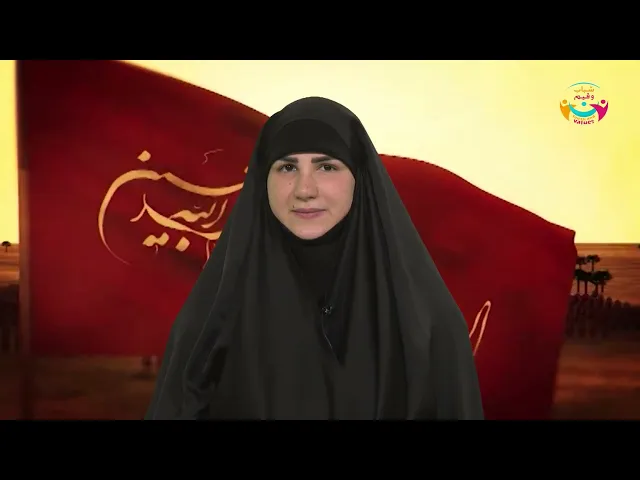
Life of Imam Ali | 1 | Imam Ali: The Hero of Islam
0
0
24 Views·
24/06/21
In
Lectures
In this session, we discuss Imam Ali's (as) role as prophesied by the Messenger of Allah (S), and recap the Imam's famous exploits during the lifetime of the Prophet Muhammad (S).
Show more
Transcript
[0:00][Music] ah [Music] we begin this series on the life of amir
[1:03]al-mu'min al-imam after we spoke about the life of the prophet salallahu
[1:12]you want to speak about this great personality ali who through his
[1:19]life showed us what it means for the human spirit to triumph
[1:24]over the difficulties of this lower world we see that after the
[1:29]prophet the imam's life was a very different life to how it
[1:33]was in the life of the prophet we see how there were
[1:39]three rebellions during his reign as the khalifa where muslims fought muslims
[1:44]for the first time we see that in the life of the
[1:49]prophet he was known as a glorious and heroic warrior whereas life
[1:54]after the prophet was full of confrontation and tragedy yet the way
[2:03]in which this man persists and the way in which he is
[2:06]connected to god at all times shows us that there is nothing
[2:11]more powerful than this spiritual connection to allah subhana wa that can
[2:16]allow us to overcome whatever difficulty may come towards us in our
[2:25]lives we see how the imam in his ethics shows us a
[2:30]new spiritual intelligence one that's only understood by the hearts which is
[2:35]why in the quran allah says that they have hearts they don't
[2:45]understand with as in the heart is a tool of understanding we
[2:47]would think that it's the mind or the brain but he says
[2:51]the hearts because there's a certain spiritual intelligence that the heart attains
[2:54]the imam's life is a testimony to this and we see through
[2:58]this spiritual intelligence how much the imam brings to us and sows
[3:03]the seeds for what we now call the sciences of theology of
[3:08]jurisprudence of quranic tafsir even of rhetoric and arabic grammar even of
[3:16]alchemy the imam speaks in all these different subjects his position is
[3:21]known amongst all the different denominations of islam he is second only
[3:26]to the prophet and that's why you see him at the head
[3:29]of all the chains of transmission of the sunni orders we look
[3:34]at his life as an inspiration to us one that through learning
[3:41]his history and learning his story we are able to apply these
[3:47]principles into our own lives and so we begin with the mission
[3:51]of islam this tawheed which is split into two into tenzil and
[4:01]ta'wil two stations two stages of the mission of islam the first
[4:07]station that of tanzil is when the actual revelation is being revealed
[4:13]it's the descent of the revelation and this was the mission of
[4:17]the prophet muhammad this is the first part of the mission but
[4:22]for the mission to be completed there must be also the wheel
[4:26]the esoteric spiritual understanding of the essence of the message now this
[4:34]was left for imam ali salah and we see this in the
[4:40]hadith which is not a shiri hadith but a hadith that you
[4:43]find in different sources that different denominations of islam rely upon where
[4:48]rasulullah is gathering his companions and he says to them one of
[4:53]you will fight for the tawil the way i fought for the
[4:58]tanzeel as in we see how much the prophet made jihad how
[5:02]much he fought to spread the message of islam to bring them
[5:08]from paganism to tawheed he gave everything he could in this path
[5:11]and he says that one of you will fight for that wheel
[5:15]the way i fought for the tenzi so you see the companions
[5:20]they want to be that person who fights for the tawid because
[5:22]the way the prophet is speaking about it he juxtaposes it with
[5:26]his own fight and his fight is righteous so whoever fights for
[5:32]the tawil is just as righteous to complete the message of islam
[5:36]so the one who becomes the first khalifa he stands up and
[5:41]says ya rasulallah is it me the prophet says it's not you
[5:46]yes stands up and says ya rasulullah is it me and the
[5:51]prophet once again replies with the negative and i think this is
[5:56]an important point just to show that there was interest in leadership
[5:59]there was some interest there and we'll be speaking about this in
[6:02]the times to come but what's interesting is that the prophet now
[6:09]then alludes to the one who will fight for the tawil he
[6:13]says the one who will fight for the tawil is amongst you
[6:16]and it is the one who is fixing the sandals and he
[6:20]looks at amir mu islam because imam ali at that time when
[6:24]the others were asking for who would lead who would fight for
[6:31]the tawil imam ali wasn't concerned he was fixing the sandals of
[6:36]the prophet so the prophet says the one who was mending the
[6:40]sandals there are different ways for us to understand this hadith there
[6:44]is the exoteric understanding and the esoteric understanding and i think it's
[6:48]important that we begin this series by speaking about this hadith and
[6:51]then going into the life of the imam the exoteric understanding of
[6:56]the hadith is that tanzil and tawil were split the message was
[7:01]split into two different stages the stage of tenzil was a difficult
[7:05]stage a more difficult stage than the stage of that weed which
[7:09]is why it needed the prophet to do it as the one
[7:13]who is greater in perfection and the prophet did what was an
[7:17]impossible task he performed and he completed it and he was successful
[7:22]in this task to bring the different arab tribes the warring tribes
[7:28]who had been warned for hundreds of years they were like as
[7:32]we mentioned in this series previous to this 400 different governments in
[7:35]the arabian peninsula moving around the prophet was able to through his
[7:42]impeccable akhlaq bring them together to the point that allah says to
[7:49]him that he is upon that if we can say that allah
[7:55]is impressed that he is impressed by rasulallah that he feels he
[7:58]says to him they are impeccable the way in which you bring
[8:03]people the prophet knew that some of the people that were coming
[8:07]to islam were hypocrites were people that would become enemies in the
[8:12]time of tawil he knew what would happen with talhah and zubair
[8:14]he knew what would happen with some of the companions he knew
[8:18]what would happen with some of the wives he knew about the
[8:22]wars to come he knew about abu sufyan's intentions he knew about
[8:26]muawiyah but he accepted everyone to come who would utter the shahad
[8:29]attain because his mission the mission of tenzil was to move the
[8:35]arabian tribes from paganism and polytheism to monotheism until hate and he
[8:43]did this with so much skill that there is not even one
[8:48]piece of evidence to show that he hurt one person in fact
[8:54]for someone who is described god forbid as a warlord by some
[9:01]people the prophet muhammad it's not even been proven historically it's not
[9:06]a fact that he even killed one person directly you cannot attribute
[9:10]a death to him historically speaking this may surprise some people but
[9:16]this is the truth ask any historian they will tell you this
[9:21]there's no fact that the prophet ever killed a man how was
[9:25]he able to do this when all of his wars were defensive
[9:30]wars and he was able to bring tribes together and make them
[9:35]into brothers he succeeded in his mission of tenzi as he succeeded
[9:40]in his tenzi we moved into the stage of ta'wil and as
[9:45]the prophet says ali is from me and i am from ali
[9:52]and we are from the same north they shared the mission the
[9:56]imam now had to go into the stage of ta'wil to explain
[10:00]to give us the true meaning of this revelation and his tawil
[10:09]had many obstacles to it we find three main exoteric forms of
[10:14]these obstacles in the imam's life the first one was the idea
[10:22]of the non-islamic sacred the idea that things became sacred that allah
[10:28]subhana wa never sanctioned to be sacred so for example if you
[10:32]were a leader of an army or a general during the time
[10:34]of the prophet if you held a flag then you are now
[10:38]a sacred person because you carried the flag for the prophet if
[10:41]you are a wife of the prophet if you were a friend
[10:46]of the prophet if you are from the prophet's hometown or from
[10:49]his land or from his tribe some people took advantage of these
[10:52]relationships or these links between them and the prophet and they used
[10:59]that for their political gain whether it was for them or through
[11:03]nepotism for their near ones and we see this very early on
[11:09]after the prophet passes away when islam took a trajectory different to
[11:15]what was intended to the prophet's intention now of course when it
[11:19]comes to the life of the prophet we don't face as much
[11:22]controversy as we do when it comes to the life of imam
[11:28]ali and because of this during this series we're going to be
[11:31]speaking about these controversies and we're going to do it in an
[11:34]academic manner with all due respect to every denomination of islam and
[11:38]all the figures that they hold in a respectable light but we
[11:43]are going to offer the shi'i narrative which is very often overlooked
[11:46]and we see that in the shi'i narrative imam ali al-islam was
[11:51]obviously supposed to be the first khalifa and this was the divine
[11:56]plan but we see that in the very beginning from the time
[12:01]of sacrifice and we'll explain what all of these things mean in
[12:03]the lectures to come from the moment of sacrifice was taken away
[12:09]based on the premise that the people from quraish the muhajiroun they
[12:14]were from muhammad nabee they were the people of the prophet they
[12:18]used that they used the fact that they were from his land
[12:23]and from his tribe this is the non-islamic sacred this was the
[12:29]same premise used in the battle of jamal people would go towards
[12:33]talhah and zubair because they are great companions or towards isha the
[12:37]wife of the prophet because of course she is so she is
[12:42]the one that we're going to follow this idea of the non-islamic
[12:49]sacred was used by various different personalities to stand in the way
[12:54]of imam ali and he has to use the tawil to fix
[12:56]this to mend this the second issue that was in the way
[13:01]of the imam was the umayyad government that was growing in damascus
[13:04]and the imam would have to show an alternative government of how
[13:09]islam is supposed to be spread how politics islamic politics are supposed
[13:15]to be engaged in in the correct manner as an alternative to
[13:22]muawiyah's palace and government and reign and the third major problem the
[13:27]imam had to face in his battle for tawil was the those
[13:32]people who were people known for quran for their zuhd for the
[13:37]asceticism for their helping the poor yet at the same time they
[13:45]raised arms against imam ali alayhi because they wanted their own understanding
[13:49]of islam to reign supreme even if that meant at times letting
[13:53]muhammad leave and suffering even if that meant to battle the imam
[13:57]in naharawan this was very difficult because here he's battling people who
[14:02]look like what is supposed to be a muslim ummah a muslim
[14:07]community and nation this was a time of great confusion the imam
[14:12]had to battle to show that the prophet's words were true one
[14:17]of you would fight for the tawil the way i fought for
[14:24]the tenzin this is the exoteric understanding of the hadith but there
[14:29]is an esoteric understanding of what the prophet said the inner dimension
[14:37]the trans-historical perspective where we move from looking at history as a
[14:43]particular phenomena but we look into the spiritual consciousness and spiritual symbols
[14:49]instead the inner consciousness and the inner meanings of what the prophet
[14:55]is saying and just like allah ta'ala says in the quran we
[15:06]will show them our signs on the horizons and in themselves until
[15:11]they see that it is the truth on the horizons is the
[15:14]exoteric and the outer within themselves is the esoteric and the inner
[15:18]and we need both my brothers and sisters we really need both
[15:22]something that is stopping us from growing in our understanding of islam
[15:25]is that we stop on the exoteric the exoteric is important but
[15:29]it is the realm of material fact we don't want only the
[15:33]material fact we want the spiritual symbol understanding so we begin by
[15:38]looking at allah who is he is the first and the last
[15:42]from here we begin from here time is now seen as archetypal
[15:49]we look at time in a different manner now and i'll explain
[15:52]what i mean by this archetype we see history as a canvas
[15:58]and we see the archetypes certain principles that keep showing up on
[16:05]this canvas patterns where a certain principle shows up again and again
[16:12]and again through different personalities not stuck on one particular personality we
[16:19]call this the halloween archetype there is a principle this alawi principle
[16:26]and aloe archetype that keeps showing up and it is why the
[16:30]imam refers to himself in many of his sermons in different names
[16:35]and i wanted to speak for a moment on those names the
[16:40]first one being one this personality is one that people often ask
[16:48]about a mysterious personality in the quran known as the one with
[16:54]two horns and the people asked imam ali al-islam about and he
[16:58]began to answer them and he told them though qur'nan is one
[17:03]who loves god and is loved by god and what's significant about
[17:10]this answer is that it's the same words that the prophet used
[17:14]in the battle of khaibar when they asked who was going to
[17:19]go and defeat marhab the prophet says i will give tomorrow the
[17:22]flag to one who allah and his prophet love and he loves
[17:26]allah and his prophet the imam gives the same answer alluding to
[17:30]himself they ask again and again and he gives different answers then
[17:35]he tells them dulcarne is someone who was struck on his right
[17:42]horn after being raised to the people and after he was struck
[17:44]on his right horn he went into occultation for hundreds of years
[17:47]before being raised up once more only to be struck on his
[17:53]left horn to go into occultation for another hundred years here the
[17:58]imam is speaking about a personality this dulcar name as someone who
[18:03]keeps coming he's speaking about a universal archetype a pattern one that
[18:08]shows up again and again he didn't reserve the name to one
[18:12]person which is sometimes usually associated with alexander the great the people
[18:16]were asking is he a prophet is he a saint he didn't
[18:19]answer them based on one person he answered them based on someone
[18:22]who keeps coming and then disappearing and then he says among you
[18:27]is one like him alluding to himself once more that he is
[18:33]that errors another spiritual archetype that we find who manifests this idoly
[18:42]archetype in history is the one who in the gospel is known
[18:45]as ilok and in the islamic tradition is known as idris and
[18:49]in both traditions he is known as one who is immortal who
[18:53]did not die who was raised into the heavens in the gospel
[18:56]we are told that he walked with god and he was no
[19:00]more in the islamic tradition what's interesting is that idris or eloque
[19:06]was a cobbler he was one who mended sandals which again alludes
[19:12]to the prophet's words where he said the one who will fight
[19:16]for the tawil is the one who is mending the sandals he
[19:19]didn't say ali almost alluding to this spiritual archetype that came once
[19:25]more once before in history and something even more important than that
[19:31]is how we see in the quran how allah subhanahu wa describes
[19:35]how idris is raised into the heavens to an exalted place in
[19:40]arabic the words that allah subhanahu ta'ala uses are mekanan aliyen he
[19:48]is raised into a place which is exalted but he invokes the
[19:52]name of ali of course ali means the high the third and
[19:58]final spiritual archetype that we will be discussing here is that of
[20:02]elijah who imam ali in his famous sermon he says i am
[20:12]the one who in the gospel is called elijah and it's important
[20:19]here to realize why he said the one who was called in
[20:20]the gospel he didn't say i am elijah i am the one
[20:24]who is called in the gospel elijah because once again elijah is
[20:27]an archetype he is the halloween archetype which keeps manifesting itself he's
[20:34]speaking about this archetype that has come before we see how in
[20:39]the christian tradition when the people were asking jesus about elijah he
[20:43]said he has already come and he had paved the way and
[20:48]he was alluding to john the baptist that he had come but
[20:51]people had not noticed he had paved the way for the messiah
[20:54]this is how the jews also understand the one called elijah elijah
[20:59]who they know as one who will come and make their way
[21:03]for their messiah the one who they might refer to as the
[21:10]tishbite this being who initiates the seekers of god into spiritual understanding
[21:15]into the spiritual path of wayfaring he is the one who initiates
[21:19]into this path we find in our tradition the one who initiates
[21:30]salam is who is a manifestation of this elijah archetype who is
[21:36]the esoteric whilst musa is the exoteric law giver and is the
[21:40]esoteric one teaching him the hikam the wisdoms of what is to
[21:44]come initiating him into spiritual understanding here once again we are in
[21:50]the presence of the aloe archetype the one that keeps showing up
[21:53]throughout history and this is why when you look at these sermons
[21:55]and you see things like imam ali salaam taught moses of course
[22:01]ali himself the personality of ali did not teach moses but the
[22:07]alley archetype did the one who in the gospel is called elijah
[22:11]he taught him that tawil is the esoteric dimension yamali teaches at
[22:17]will and initiates us into the path and so we pray that
[22:24]through the willaha of nabitalib he may initiate us and guide us
[22:32]into the path and so we come to the life of ali
[22:39]first in the year of the elephant this great young prophet was
[22:48]born rasulullah came as a miracle and his birth ended the drought
[22:55]in mecca people had been waiting for the birth of this savior
[22:59]to mankind when this happened fatima bint assad came to abu talib
[23:04]the uncle of the prophet and she said to him congratulations on
[23:11]the birth of this young miracle baby so abu talib responds and
[23:18]says us be patient with me for 30 years and i will
[23:27]bring you one like him this is important to know for many
[23:31]different reasons abu talib says to her someone's coming like this baby
[23:36]and in 30 years of course we know who is going to
[23:41]be born and we look at first of all the fact that
[23:45]abu talib knows that the imam is coming they were upon a
[23:52]religion of monotheism abu talib and fatima bit assad known as the
[23:57]dinal hanif the followers of abraham and we see this 30 years
[24:02]later when fatima bint assad is pregnant and she stands outside the
[24:07]kaaba walls and she prays to allah subhanahu ta'ala and she says
[24:15]ya allah by the one who built this house which is abraham
[24:21]make this pregnancy easy for me and the walls of the kabba
[24:30]open up and she walks inside and this honor was given only
[24:37]to haleem abitalib who was born inside the kaaba and remained inside
[24:42]for three days and there was a little chaos ensuing in mecca
[24:45]people didn't know how she entered into the kappa and they could
[24:49]no longer open the doors only for her to emerge on the
[24:53]fourth day with a young baby in her hand and as she
[24:56]comes out the baby keeps the eyes closed only until he is
[25:02]given to the 30 year old prophet of islam rasulullah holds the
[25:09]young ali and ali opens his eyes for the first time and
[25:13]this is why the prophet says that i was the first one
[25:18]he looked at he chose me to be the one he looks
[25:22]at first he chose my face that's why i chose him to
[25:25]be the one who i give my knowledge to and from then
[25:31]on life became all about rasulullah for the young ali ali was
[25:35]taken in by the prophet he was raised by the prophet the
[25:40]prophet took ali off the hands of abu talib who had many
[25:46]children and he raised him and he would sleep next to him
[25:50]in the cradle and he would teach him from the very beginning
[25:53]imam ali alayhi islam says that i was like the baby camel
[25:57]following the mother camel always in between its legs wherever the prophet
[26:02]when i went he used to chew food before giving it to
[26:07]me to swallow the first words that imam ali learned were from
[26:12]the prophet they began to walk with the prophet he was raised
[26:15]in the arms of the prophet so much so the imam says
[26:19]the prophet used to go into the king of hera and i
[26:23]would go with him and i saw the phenomena he would see
[26:30]i saw the light of revelation the iman says and i smelt
[26:34]the fragrance of prophethood there were a phenomena that only ali and
[26:38]the prophet would see and he says we were only three upon
[26:43]this religion me the prophet and the khadijah from the very beginning
[26:49]the imam was always with the prophet so much so that even
[26:52]when the small children would throw stones the prophet would walk away
[26:55]imam ali al-islam was a young boy he would run to them
[26:58]and fight them that later on in the battles when they would
[27:00]see him they would recognize him and say you were the ones
[27:02]that used to twist our faces as children when they were kids
[27:06]he would fight for the prophet not only when he was an
[27:12]adult in the wars to come we see that the mission begins
[27:15]when the prophet is 40 years old that's the time of bathur
[27:18]on the 27th of rajab the imam was 10 years old of
[27:25]mature age the mission is not beginning before that because they were
[27:27]both needed for the mission the mission was in two stages tenzil
[27:35]and wheel and we needed this young father the warrior ali to
[27:40]be raised in the arms of the prophet and witnessed the light
[27:45]of revelation so he knows what to do when his stage of
[27:47]tawir comes when the imam is at the young age of 15
[27:52]or 16 years old here when islam is still young it's still
[27:57]not seen in the way in which it was seen when the
[28:01]prophet was to leave this world when no one saw any dunya
[28:05]rewards from following islam the prophet gathered his near kin and told
[28:11]them he uses those words and this is not once again hadith
[28:24]this can be found in sunni sources where the prophet says in
[28:31]front of his family who is going to follow me on this
[28:38]path and be my ambassador and he will be my brother and
[28:40]the khalifa after me and no one responds in fact abu lahab
[28:45]the prophet's uncle he laughs at him they were mocking him but
[28:50]ali stands up and says it's for me their prophet and the
[28:57]prophet says who was in his 80s and he says you have
[29:13]to obey your 60 year 16 year old son and here abu
[29:17]talib once again stands up for the prophet and tells abu lahab
[29:23]to be quiet be quiet he always defended rasulullah people ask why
[29:28]did the prophet wait until radir in order to tell us who
[29:35]will be leading islam after him we say he didn't wait until
[29:39]hadir he said it again and again and again and this was
[29:40]the first formal time that he said it we see him constantly
[29:48]telling the imam of his position through actions and through words if
[29:54]anyone was to go into medina at the time any random person
[29:59]and to stay there for a couple of days they would see
[30:03]that imam ali alayhi islam was very obviously the second man in
[30:08]islam after the prophet it's very evident and self-evident that he this
[30:14]was the case when he was the general of his army when
[30:18]he was the personal secretary of the prophet the adviser of the
[30:22]prophet the flag bearer of the prophet the one who married the
[30:26]prophet's daughter the one who was the father of the prophet pagani
[30:29]the one who the prophet initiated it was very obvious and self-evident
[30:35]he was his brother so much so that when the prophet was
[30:38]sitting down imam ali would come and hold him and pick him
[30:42]up when his knees were cramped up this was their relationship there
[30:47]was one time when the prophet comes home and he has a
[30:53]sorrowful complexion so say that asks him what's wrong you don't see
[30:58]myself today he looks at her and he says i miss ali
[31:01]even though he was probably with him earlier on in the day
[31:05]because they're always together and so what she does is she leaves
[31:10]the house and she goes to look for imam ali she finds
[31:12]him in mecca she tells him the prophet misses you come come
[31:18]home so the imam comes with said khadijah they come to the
[31:22]house they open the door they go inside the prophet looks so
[31:26]glad and so happy with so much tranquility that his best friend
[31:29]and brother enters the house and he hugs him this young boy
[31:33]who he raised like his son he hugs him and they embrace
[31:37]and seduce narrates this hadith and says i was standing up and
[31:40]i would never sit down before rasulullah sat down so i kept
[31:45]standing as they embraced and they embraced for so long that my
[31:48]knees began to ache she stood for that long because they wouldn't
[31:51]sit down after embrace the blossoming of a hallie took place the
[31:58]imam stood with the prophet for the first 13 years in mecca
[32:02]as his most trusted advisor and companion until the time of hijrah
[32:11]came when the sunnah where ali would sleep in the bed of
[32:16]the prophet which happened several times now was going to happen in
[32:20]a very difficult circumstance because the prophet was going to leave to
[32:23]go on the hijra on this night the prophet tells ali what
[32:28]was going to happen he tells him you've been chosen to sleep
[32:31]in my bed and i'm leaving in the middle of the night
[32:35]to be on my way to medina to start the new stage
[32:40]of islam here the imam cries because he is given the opportunity
[32:45]he says i'm going to sacrifice sacrifice my life for you this
[32:49]is his greatest honor he goes into sujud and he thanks allah
[32:53]and he sleeps in the bed and rasulullah goes on his way
[32:59]to medina but refuses to enter madinah with abu bakr until abu
[33:03]bakr becomes upset and enters medina on his own the prophet stays
[33:07]outside nine or ten days away from mecca waiting for ali to
[33:13]come he says i will not enter without the one who sacrificed
[33:15]his life for me meanwhile imam ali salaam stays in the house
[33:21]when they enter the house he stands and he faces the people
[33:26]who try to assassinate the prophet when they realize the prophet wasn't
[33:30]there they go looking for him they cannot find him the imam
[33:33]was given a job the final job given in mecca people would
[33:38]give their mana to the prophet because he was one who was
[33:43]trustworthy he would keep their goods and give them back to them
[33:45]the prophet told the imam return the ammanna to the people so
[33:49]imam ali salam imagine you are the last muslim man in the
[33:56]entire city everyone wants to kill you and you stand in broad
[34:01]daylight alone but you are offering everyone their items back and this
[34:05]is why the imam says even if they were a number the
[34:10]enemies even if my enemies were a number which would fill the
[34:14]entire earth i would neither care nor feel scared nor feel lonely
[34:20]because he sees only allah subhanahu wa ta'ala and everything that he
[34:25]does he stays in the town and gives the amanah to the
[34:27]people and then he goes and brings three camels only three camels
[34:31]because he had to take the forward back the daughter of hamza
[34:36]fatima his mother father assad and fatima the daughter of rasulullah the
[34:43]three fawatim remained in mecca imam ali had to bring them to
[34:47]medina to meet the prophet he was given this honorable task he
[34:51]brings three camels possibly because that's the only money that he had
[34:55]and as he is doing this in daylight with all confidence the
[35:02]man selling him the camel is nervous because he sees the quraish
[35:06]they are looking feeling like ali is trying to humiliate them is
[35:10]he trying to humiliate us we're not going to accept this and
[35:14]the imam tells him don't worry be calm he brings the three
[35:20]camels and the imam starts his journey on foot but the quraysh
[35:23]send their warriors to stop the imam and they tell him go
[35:28]back or one without a father because by that time abu talib
[35:33]had passed away and if you don't go back we'll take you
[35:35]back with your hair and they threaten him and the fowat and
[35:37]here is where ali does not accept anyone to threaten the forward
[35:42]if anyone was to lay a hand on one of these noble
[35:47]ladies they will definitely meet their doom and the imam tells them
[35:51]try if you dare so when they approach the imam begins to
[35:54]strike them and with each strike one blow was all it would
[35:57]take for the enemy to fall several of them fell the imam
[36:03]fighting and here watch as say the fatima alayhi salaam sees this
[36:05]young boy this young warrior who's been doing this for so many
[36:10]years he's the one who keeps defending my father he's the one
[36:13]who does everything for our family she watches him and the imam
[36:17]defends her she watches him as he defends her to the point
[36:21]no warrior could come near the fawatim and no warrior could come
[36:24]near ali and they ended up running away and saying cage yourself
[36:30]from us or son of abu talib now the father is alive
[36:35]it seems they go back the imam here wounded carries on the
[36:39]journey on foot nine days until he reaches the place where the
[36:45]prophet was waiting for him comes towards rasulallah they embrace he tells
[36:50]them where's he says he's coming he was injured his feet were
[36:55]injured he himself was injured he kept walking on feet he kept
[36:59]walking on foot until the prophet sees him embraces him and cries
[37:02]and they enter into medina this very iconic moment where the prophet
[37:10]enters and ali enters by his side and if there were modern
[37:13]newspapers at the time they would take a photograph of this moment
[37:17]and this would be an iconic moment for all of history we
[37:21]see in this time in medina how imam ali islam is honored
[37:26]again and again and again one of the first things that the
[37:31]prophet does is the pact of brotherhood there were many different warring
[37:36]tribes mainly the aus and the khazraj who were warring and they
[37:39]were muhajiroun from quraish who came the aus and hazraj become ansar
[37:43]they become known as ansar and the muhajiroun are the ones who
[37:47]came from quraish with the prophet the prophet wants to man ties
[37:49]he wants them to become brothers he wants them to look past
[37:54]their tribal selves as the way in which the arab tribes used
[37:57]to be used to used to always look towards each other before
[38:02]islam the time of jahaliyah islam is known as that religion which
[38:07]everyone is equal except those who are greater in piety akramakuma so
[38:15]the prophet says that we will make a brotherhood between the people
[38:21]from australia and muhajiroun he picked two people again and again and
[38:24]again that were brothers who made them brothers this was supposed to
[38:28]create a pact between them he marries all of them except one
[38:34]he leaves ali on his own to the point that once 90
[38:38]pacts are made and there's no one left alistair says you gave
[38:43]everyone a brother but you left me alone do i not get
[38:47]a brother and the prophet says to him and it's so beautiful
[38:50]what he says to him he says by god i left you
[38:56]for myself didn't i always tell you that you are to me
[38:58]as is to musa but that there is no prophet after me
[39:03]and he tells him that again and again and again all throughout
[39:07]the imam's life the imam keeps hearing the prophet narrate these words
[39:12]to him at every instance you are to me as haroon is
[39:17]to musa now we know who haroun is to musa but we
[39:22]won't get into that right now we see how one of the
[39:27]greatest honors if not the greatest honor that was bestowed upon alibaba
[39:31]talib was the fact that he became the husband of fatima about
[39:38]two years after settling in medina people kept coming to ask for
[39:42]the hand of fatima and the prophet would ask the father man
[39:45]she'd always say no she'd always reply with the negative and the
[39:49]prophet would tell them it's not up to me it's been ordained
[39:53]and they would become upset several men had asked but no one
[39:57]was succeeded the companions began to tell ali why don't you go
[40:02]and ask for fatima's hand you're made for each other and the
[40:06]imam would be too shy and he would say what am i
[40:09]going to go and ask for and ask with i don't have
[40:11]anything to give her he would be very shy but he wanted
[40:17]fatima he didn't know how to approach the situation after the companions
[40:23]had pushed him to do it several times the imam decided he
[40:28]would approach the prophet and he walks towards him and here the
[40:36]imam stays quiet he doesn't say anything he's too shy this great
[40:42]warrior was too shy to the point that nothing was said and
[40:46]the imam leaves the next day the imam comes and knocks on
[40:52]the door says rasool allah yes i'm okay and he stays quiet
[40:56]and he leaves once again too shy to tell him the third
[41:02]time he comes ali are you trying to ask for the hand
[41:10]of fatima the prophet asks him he takes him out of the
[41:15]situation and the imam says yes says okay i will ask her
[41:20]so he goes and he asks sayla fatim alayhi as-salam and for
[41:25]the first time she is silent which here she is saying she
[41:34]accepts in her own most modest way and tells rasulallah yeah rasulallah
[41:38]these two have already been married in the heavens now it's upon
[41:42]you to marry them on the earth and here rasulallah tells ali
[41:48]ya ali where's the shield i gave you and the imam says
[41:52]it's at home it says go and sell it and use that
[41:57]as your the imam is given the greatest honor which in a
[42:07]even more mystical understanding of this situation we see that imam ali
[42:13]is known as the first to drink from the fountain of paradise
[42:18]known as kauthar he's going to be the first to drink from
[42:21]the houd and kauthar is symbolically represented in this world through siddha
[42:31]fatima ya-salam the word kauthar means abundance pointing to the abundance of
[42:38]grace that is to come through fatima and the progeny that she
[42:43]will bring for rasulallah to carry on his blood and his name
[42:47]what's significant is that imam ali is known as sacrial he is
[42:54]the one who is known to bring that drink from that fountain
[42:58]into this world he is the one who allows the thirsts to
[43:03]be quenched from the drink of kautha which can be understood here
[43:09]in the physical world as him being the husband of fatima and
[43:13]being the father of the grace and abundance and kauthar that siddha
[43:19]fatima alayhi salaam brings into this world through first al-hasan while hussein
[43:23]and their children and fathering the sons and daughters of rasulallah more
[43:34]honours than can be mentioned when it comes to the life of
[43:42]ali every door was closed except his door when the prophet said
[43:45]sudul abu abi every door of the masjid was closed except the
[43:48]door of the imam we look at the chivalric notion of futura
[43:58]chivalry and this young warrior who brought in a whole new understanding
[44:02]into what it means in islam to be a man he was
[44:07]the young warrior and sage who showed us in bedr and in
[44:14]khandak in all these different battles what a true warrior acts like
[44:22]in bedr when the muslims were outnumbered three to one the imam
[44:28]puts on a performance of battle on that day he became known
[44:34]as the red death al-mautel when it came to uhud when everyone
[44:40]ran away when they saw hamza the lion of allah and the
[44:45]uncle of the prophet when he was killed and his liver was
[44:49]eaten by hind the mother of ma'awiya here people were screaming muhammad
[44:53]people ran left right and center it was chaotic blood everywhere dust
[44:59]everywhere the imam looked around at the time the prophet was surrounded
[45:02]by khalid bin walid because the muslims had left their post the
[45:06]prophet was fighting by himself the imam looked around could not see
[45:11]the prophet but you know what he says this is a lesson
[45:13]for us on what chivalry truly means he says i looked around
[45:17]and i know the prophet would never run away and i know
[45:20]he cannot die now because the promise has not been fulfilled and
[45:23]so the logical conclusion that the imam comes up with is this
[45:27]he says he must have been raised into the heavens like like
[45:31]jesus son of mary and so he began to fight and fight
[45:36]and fight regardless of who was in front of him even though
[45:41]his arm was broken in that battle he kept fighting until he
[45:44]sees rasulullah and he gets to rasulallah and they stand back to
[45:48]back and the prophet says where is everyone and the imam says
[45:53]they left and the prophet says what about you it says me
[45:57]i would never leave and the prophet says here ya ali and
[46:01]the imam begins to fight they stand back to back no one
[46:05]can come near them until the muslims begin to see them making
[46:07]a stand the prophets holding the sword and says manly her the
[46:11]safe who will come and take this sword and slowly the muslims
[46:14]began to come back and stand their ground against the enemies but
[46:18]maybe it is that we see this personality of the chivalric knights
[46:22]of islam being shown the most when imam ali alayhi salaam strikes
[46:29]down this great warrior of arabia hammer abdul widd known as faris
[46:35]who stood against an entire battalion on his own that every muslim
[46:39]was scared to fight the imam strikes him down but just before
[46:43]he kills him we all know the famous story of how amar
[46:46]spat at the imam and cursed his mother and this angered amir
[46:52]mu'min and this anger that slow very short moment where he lost
[47:00]his composure he stopped and he did not allow himself to move
[47:04]until he calmed himself down and regained his composure and damar for
[47:11]allah only and this symbolizes self-mastery it symbolizes transcendence of the ego
[47:19]it symbolizes how the true warrior and chivalric knight of islam is
[47:26]supposed to be not the one who shouts the violent the erratic
[47:32]egotistical narcissist but the self-mastered chivalric knight of islam represented this to
[47:40]all of us and khaibar when everyone else failed to take the
[47:47]castles of khaibar and marhab sent them all back one by one
[47:51]the prophet says as we mentioned just like he says i will
[47:56]give the flag to one who god and his prophet love and
[47:58]he loves allah and his prophet and he gives the flag to
[48:04]emir mu'mineen when he had an issue with his eyes and the
[48:08]prophet puts his saliva on the eyes of the amir until immanuel
[48:10]islam can see and he asks him yeah rasool allah what shall
[48:14]i tell him the prophet gives him instructions which the imam follows
[48:17]to the t goes to fight marhab and marhab they're standing waiting
[48:22]for the for whoever was to come for him to annihilate as
[48:25]he has been doing for days on end he says imam stands
[48:31]there and says i am the one whose mother named him haidar
[48:36]the lion and marham takes a step back because it's always been
[48:42]prophesied that he will die when it came to the one named
[48:47]haidar and sure enough the imam strikes marhab down and the legend
[48:50]of the imam grows after when the imam lost his shield he
[48:53]rips the gate of khaibar with this godly strength given to him
[48:57]by allah and holds it as a shield and uses it so
[49:01]that the muslims can go into the castles of khebar and take
[49:05]them over this shield this gate that no one could lift afterwards
[49:10]even when several men gathered they could not lift it together the
[49:13]legend of the warrior of ali grew in arabia never did he
[49:18]lose any battle in his life and never did he claim victory
[49:23]except once he only claims victory once in his life this is
[49:28]the noble chivalric knight of islam this warrior who was struck on
[49:34]his head when he was in prostration to god only then does
[49:39]he call out vistu i am victorious by the lord of the
[49:45]kaaba only in his final moments does he say that he was
[49:48]victorious and in those moments he feels worried for his killer and
[49:53]he tells them not to harm him not to hurt him not
[49:56]to kill him in that way don't don't serve him a blow
[49:59]more than the blow he served me ali was so great muawiyah
[50:05]himself his arch nemesis sends a letter to muhammad ibn where he
[50:10]says that ali was like the stars in the sky no one
[50:15]could reach him this is muhawiyah saying it and so we find
[50:22]that when it comes to the day of radir and rasulullah holds
[50:29]the arm of imam ali alayhi salaam up high and says whoever
[50:36]i am the master of this ali he is the master of
[50:40]then we take ali as our master and we see how im
[50:44]ali alayhi salam always had a group of companions around him that
[50:48]were known as shiat ali they were known as the companions and
[50:50]the followers of ali known as amar the four pillars of shiism
[50:58]these four persons are seen as the four pillars of shiism therefore
[51:06]this fidelity to ali is the central heart of shiaism because he
[51:12]is the wali of allah and so it is fidelity towards allah
[51:17]and loyal to the way of allah him being the representative of
[51:23]that on the final days when the prophet was about to leave
[51:27]this world he calls emily manning towards him and he begins to
[51:33]whisper in his ears and this short scene has been written about
[51:40]again and again where it is said that the prophet begins to
[51:45]perspire and sweat and breathe fast as if he had just ran
[51:52]a marathon the imam also as he was whispering began to sweat
[51:57]and breathe heavy and this is also described as the way in
[52:00]which the prophet would receive revelation even in winter time he would
[52:07]sweat and he would breathe heavily here we don't know what was
[52:11]said but when the imam was asked afterwards the imam said he
[52:19]told me what would open a thousand doors of knowledge and to
[52:25]each door there were a thousand doors and he made a bequest
[52:30]to me which god willing i will undertake the final will we
[52:36]can speculate a lot about that will we can speculate a lot
[52:40]about those thousand gates imam ali himself being the gate to the
[52:42]city of knowledge now the city of knowledge which is a thousand
[52:46]gates and a thousand gates to those thousand and so there were
[52:51]a million sciences given to ali in a few seconds we have
[52:56]to understand this as a mystical initiation he opened up the realms
[53:02]the portals that were still unopened for the imam of the unseen
[53:06]and the final will that was given to him for what was
[53:09]to come the imam then carries out the will of the prophet
[53:16]for the next few decades in the stage of tatweel until he
[53:23]loses everything his loves his family his companions and when the imam
[53:30]is at his final year he stands in the masjid of kufa
[53:34]after all the wars losing ammar losing salman losing fatima alaihissalam losing
[53:40]the prophet now the young hasan hussein becoming mature to carry on
[53:47]their father's legacy the imam looks into the sky and he looks
[53:53]into the stars and the one narrating this hadith his name is
[53:58]no f he says i was watching the imam and he was
[53:59]looking into the sky as if he was missing something or someone
[54:05]searching for something and he says noaf are you asleep or are
[54:09]you awake and noah says i am awake what is it and
[54:15]the imam looks in the sky and says tidings be to those
[54:23]who have turned away from the dunya and have looked towards the
[54:30]afterlife just in the way that aisabnu maryam did he speaks about
[54:33]these people in different sermons and he says how i long to
[54:40]meet them generations to come of his followers the imam thinks of
[54:44]them in those lonely nights watching the stars my brothers and sisters
[54:49]you and i could be one of those stars that the imam
[54:53]was looking for looking at missing and searching for let us live
[55:01]this life through the principles of the halloween archetype foreign
0 Comments
sort Sort By
- Top Comments
- Latest comments
Up next
7 Views · 23/07/22
3 Views · 23/07/24
5 Views · 23/07/25