يرجى ملاحظة أنه إذا كان عمرك أقل من 18 عامًا ، فلن تتمكن من الوصول إلى هذا الموقع.
هل عمرك 18 سنة فما فوق؟
خلق
تحميل
استيراد
مقاطع قصيرة
حسابي
الوضع
تسجيل الدخول
تسجيل
أحدث مقاطع الفيديو
02:04
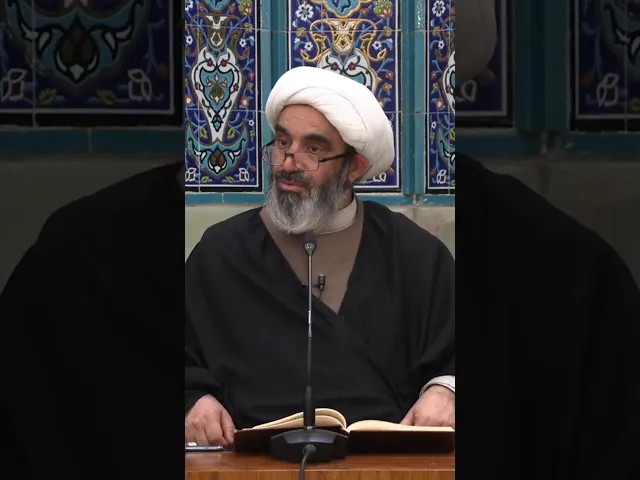
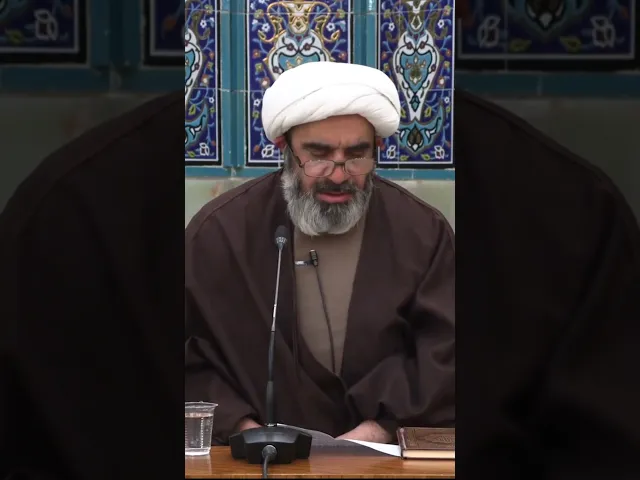
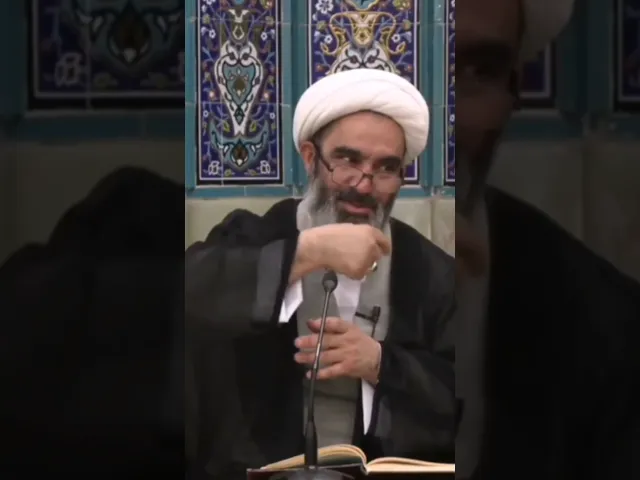
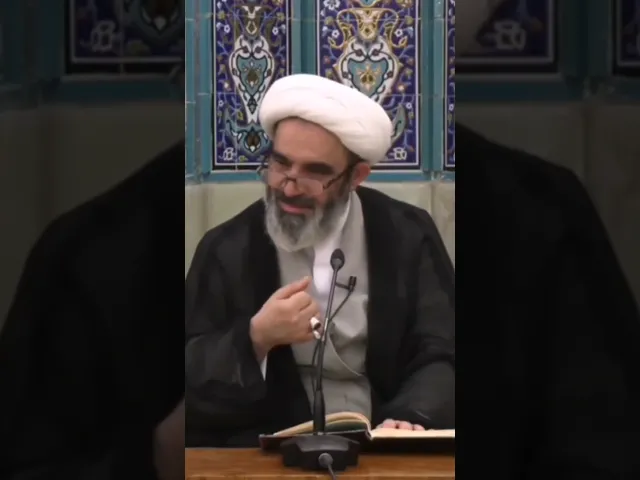
عاقبة السيئين !؟ الشيخ احمد الصافي #شبكة_النور_المبين
شبكة النور المبين
12 المشاهدات
·
منذ 1 عام
02:31
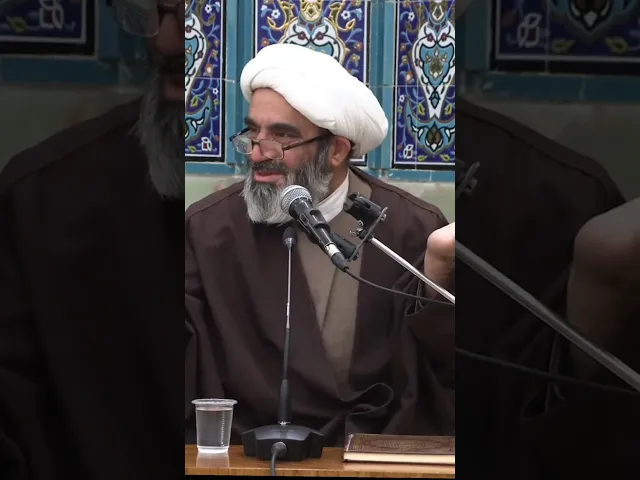
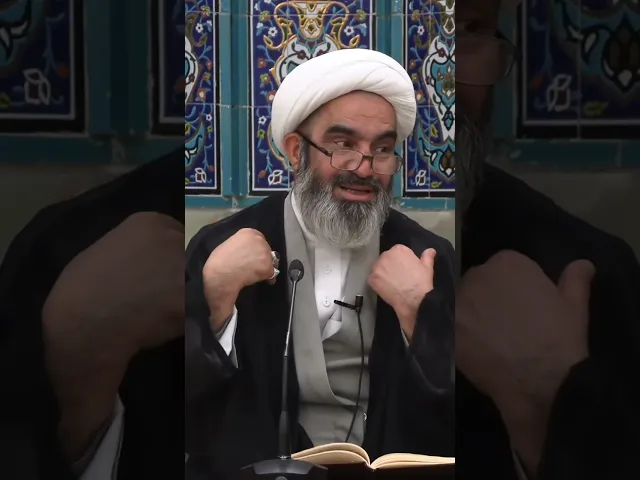
التوسعة على العيال!؟ الشيخ احمد الصافي #شبكة_النور_المبين
شبكة النور المبين
8 المشاهدات
·
منذ 1 عام
02:20
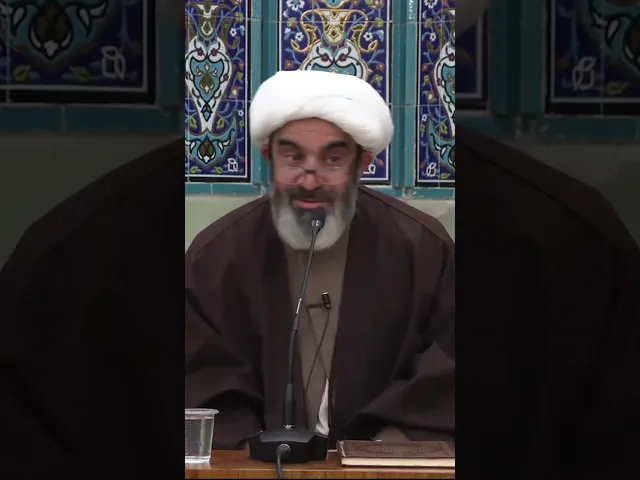
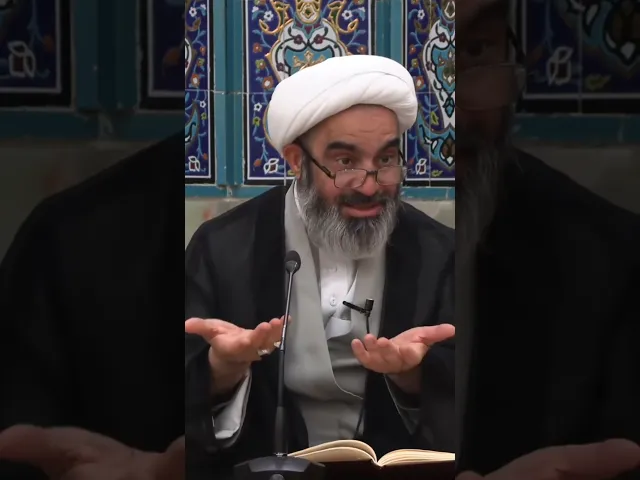
الكِبْرُ من الكَبائِر الشيخ احمد الصافي #شبكة_النور_المبين
شبكة النور المبين
7 المشاهدات
·
منذ 1 عام
01:31
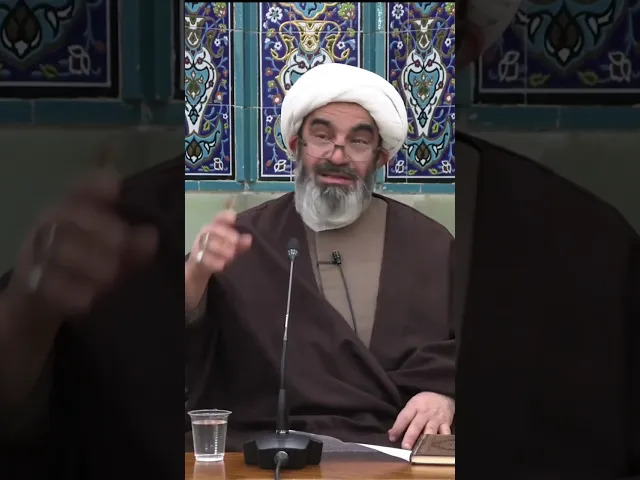
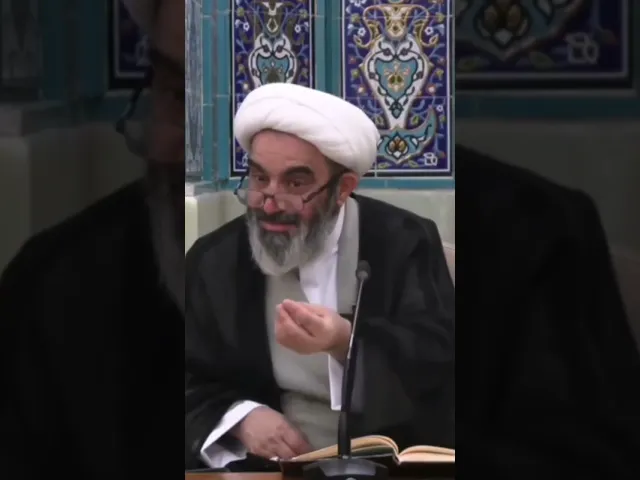
الصلاة في أول وقتها ؟! الشيخ أحمد الصافي #كربلاء_المقدسة #شبكة_النور_المبين
شبكة النور المبين
13 المشاهدات
·
منذ 1 عام
01:06
ضمان قبول الدعاء ؟! الشيخ أحمد الصافي #كربلاء_المقدسة #شبكة_النور_المبين
شبكة النور المبين
10 المشاهدات
·
منذ 1 عام
03:01
التعرض لمحبة الله الشيخ أحمد الصافي #شبكة_النور_المبين
شبكة النور المبين
9 المشاهدات
·
منذ 1 عام
02:06
طلب الزيادة في البصيرة؟! الشيخ أحمد الصافي #شبكة_النور_المبين
شبكة النور المبين
12 المشاهدات
·
منذ 1 عام
00:42
عقاب اللسان البذيء؟! الشيخ أحمد الصافي #شبكة_النور_المبين
شبكة النور المبين
9 المشاهدات
·
منذ 1 عام
02:43
سلب الإختيار من النفس الأمارة بالسوء. الشيخ أحمد الصافي #شبكة_النور_المبين
شبكة النور المبين
8 المشاهدات
·
منذ 1 عام
02:49
الإصرار على الذنب. الشيخ أحمد الصافي #شبكة_النور_المبين
شبكة النور المبين
12 المشاهدات
·
منذ 1 عام
Showing 5530 out of 5531
5527
5528
5529
5530
الصفحة الرئيسية
أحدث مقاطع الفيديو
الشائع
أهم مقاطع الفيديو
القنوات الشعبية
مقاطع قصيرة
استكشاف المزيد
يساعد
اختيار طريقة الدفع
لغة
English
Arabic
Dutch
الدفع بالمحفظة
تسجيل الدخول
اسم المستخدم
كلمه السر
نسيت رقمك السري؟
تسجيل الدخول مع
جديد هنا؟
تسجيل
سجل!
اسم المستخدم
عنوان البريد الإلكتروني
كلمه السر
تأكيد كلمة المرور
ذكر
إناثا
عن طريق إنشاء حسابك ، فإنك توافق على
تعليمات الاستخدام
&
سياسة الخصوصية
هل لديك حساب بالفعل؟
تسجيل الدخول