Volgende
0 Bekeken · 23/07/20
3 Bekeken · 23/07/26
5 Bekeken · 23/09/25
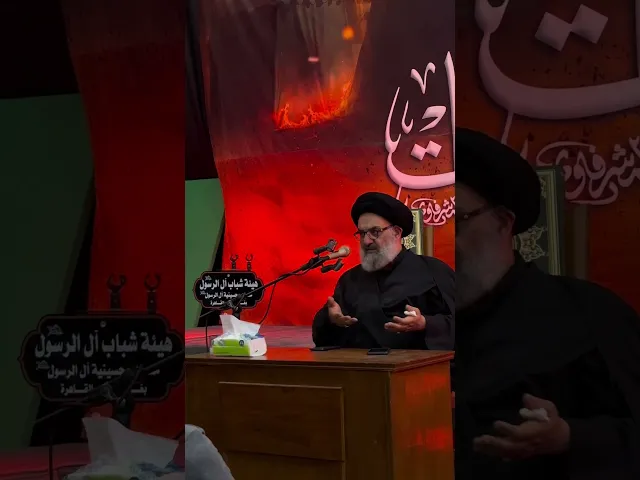
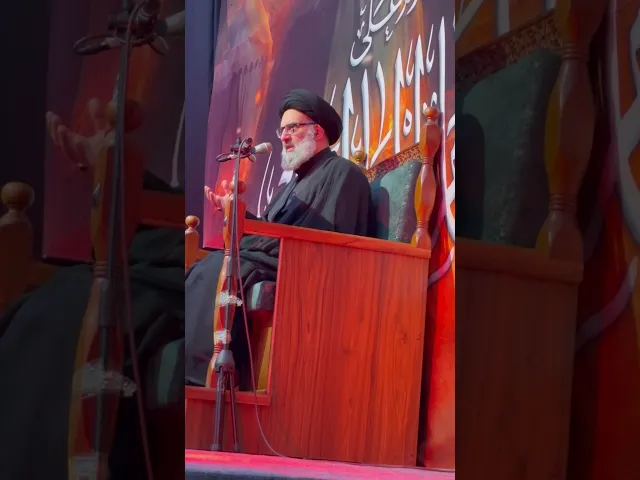
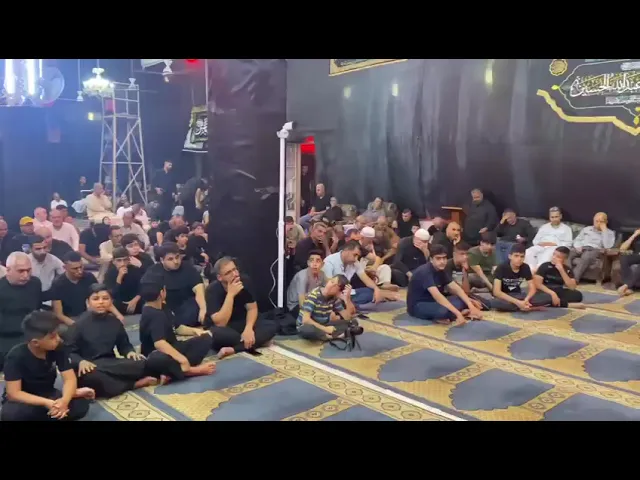
السيد محمد القزويني - طلب العلم - الليلة التاسعة والعشرون - رمضان ٢٠١٧
0
0
15 Bekeken·
24/03/23
مركز أهل البيت في توليدو - الليلة التاسعة والعشرون - رمضان ٢٠١٧
Laat meer zien
Transcript
[2:51]my dear brothers and sisters islamically allah made some rules for the
[2:59]society for the nation for the people for the cities how we
[3:05]could have a scholars how we could have a alim a mushtahid
[3:11]teaching us and giving us the knowledge which is we need allah
[3:18]subhanahu wa ta'ala said everyone all the people cannot do that all
[3:24]the muslims go seek knowledge of the hausa it is impossible then
[3:33]allah subhanahu wa ta'ala said allah cannot make that rules mandatory to
[3:44]all the muslims to go and seek knowledge allah said it is
[3:57]good to have few people to go and seek knowledge and come
[4:04]back and teach the community and teach the people so this is
[4:10]the rules of seeking the knowledge and how allah subhanahu wa ta'ala
[4:16]we have two type of wajib wajib kifai it means if some
[4:35]people did so it is not wajid for others to do there
[4:42]is wajib aini it means everyone should do these things everyone like
[4:49]salah there is no exception so everyone should do the salah everyone
[4:54]should do the fasting everyone it is wajib to go to hijab
[4:59]they call that wajibun aini we have ul kefai it means if
[5:06]a group of people did that wajib so the wajib it's not
[5:11]mandatory to others like ghosl al mayid like the people when we
[5:19]burying the the dead one the muslims bodies so if one person
[5:24]did that things so it's not what you for others to do
[5:28]just one person should do that and this is enough so seeking
[5:35]knowledge and going to hausa and became a scholar they believe this
[5:42]is a wajibun kefai kefai it means one person from toledo or
[5:49]two three people from this city or from this community if they
[5:54]go and they seek the knowledge it's enough it's enough allah doesn't
[5:59]want everyone to go there and to seek knowledge so they said
[6:03]that now many people asking us the youngs what is the requirement
[6:21]for someone to to become mushtahed many i know many of the
[6:27]youngs they would like to know what's the requirement what they should
[6:32]do what they should study to become a mushtahid and he can
[6:38]drive the rules from the quran and from the tradition of ahlul
[6:43]bayt first of all all the mishtaid the scholars first of all
[7:00]they have to study the arabic language the reason because quran in
[7:08]the arabic language the tradition of rasulullah the traditions of rasulullah the
[7:14]hadith all in arabic language so you have to understand arabic to
[7:19]understand the rules this is something normal and everyone except like for
[7:25]example you would like to apply to university in australia they accept
[7:31]you but at the beginning they will tell you you have to
[7:34]study english then come and enter the university any country if you
[7:41]apply in india probably they will tell you you have to study
[7:44]english or indian or any language so each tradition each nation each
[7:52]religion they have their language so first you have to learn the
[7:57]language by the way not the normal language now we speak arabic
[8:06]but this is the arabic today we speak it's not the professional
[8:11]language which is allah used in the quran and the prophet muhammad
[8:16]used in his in his traditions so we have to study the
[8:24]professional language it means with sarf and nahu we have to read
[8:31]the correct sentence in arabic to know the rules of the language
[8:38]because if we don't know the rules of the language everything changed
[8:44]let me give you some examples some little examples some people non
[8:49]arab people they don't realize these differences but arab people they realize
[8:54]the differences in the quran it said it has little vamna you
[9:09]have to say like wow little wow why if you read it
[9:17]like this it will be kufr it means allah have fear of
[9:26]the ulema you just change little thing in the ayah you have
[9:35]to read it correctly you have to say if you change it
[9:44]if you say it will be kufr it means allah have fear
[9:52]of the ulama you know so in arabic little things little things
[10:00]change changing the meaning of the it's not with it's with harakat
[10:05]the harakat so that's why arabic language it's very important to some
[10:13]people to understand how rasulullah said the sentence probably little different little
[10:21]little different changing the meaning in the arabic language this is first
[10:27]of all thyanean when we learn language we have to learn the
[10:39]language which is was fourteen hundred years ago not the language of
[10:45]today let me give you another example of the quran quran at
[10:51]the surah yusuf allah said about the story of yusuf when he
[11:07]was in the well allah said comes and they sent someone to
[11:13]bring the water from the well they found yusuf in the well
[11:19]so what does mean fourteen hundred years ago allah said it means
[11:27]a caravan today if you say to any arab people sayara he
[11:34]will think the automobile outside sayara it means now the automobile so
[11:41]this is it mean there is some differences in the language you
[11:47]have to study the language of the fourteen hundred years ago not
[11:51]the language of today so if the scholars he recite he should
[11:59]understand the meaning of the sayara not the sayara today we see
[12:04]let me give you another example this is the funny examples today
[12:09]if you go to saudi arabia if you go to the wahhabism
[12:13]they will tell you picture haram camera haram they will take your
[12:19]camera and they broke it do you remember before was like this
[12:23]in saudi arabia if you go with the with the camera they
[12:28]will take your camera and they will tell you haram picture why
[12:32]they said the hadith the tradition of rasulullah doesn't enter doesn't enter
[12:46]the house if it has surah picture they said picture and dag
[12:54]and tambur tambur one of the music tools yeah so the wahhabis
[13:06]the wahhabis because you know the sheikh of wahhabis he's he's blind
[13:12]he doesn't see he doesn't know what does mean surah he said
[13:17]hadith said surah haram so if surah haram it means picture haram
[13:23]because now we call the picture surah they said this is haram
[13:31]they don't understand at the time of rasulullah there is no camera
[13:37]there is no picture surah fourteen hundred years surah it means statue
[13:45]statue they call it surah so when you made when you made
[13:55]for example with with wood for example you made a little statue
[14:02]they call that surah fourteen hundred years ago surah this is the
[14:07]meaning of the surah but today if you say to allah go
[14:11]come here we want to take a picture we want to take
[14:14]a surah it means a picture so there is difference between this
[14:19]picture and between the surah the difference this picture it's reflecting the
[14:28]picture here reflecting on something and it shows us we are not
[14:33]making that things we are not making the picture but if someone
[14:40]he made for example with the wood made a statue of a
[14:46]human or animal so he made him something they called that surah
[14:52]so when islam said haram surah or it is not recommended surah
[14:57]because people at that time they worshiping the idols so islam said
[15:02]don't do this haram but today who's worshiping surah who's worshiping the
[15:08]pictures no one that's what some wahhabis still they are on the
[15:16]fourteen hundred years they said haram picture haram this is another difference
[15:22]so we have to listen to study the arabic language and to
[15:28]understand the meaning of that language by the people of that time
[15:34]how the people of that time they get it how they understand
[15:38]it how they get the meaning from you know one of the
[15:46]big issue today between the school of thoughts and islam the word
[15:51]of imam when we said we are shia we believe imam rasulullah
[16:03]appointed imam ali in his position and said whoever i am the
[16:12]leader of him so imam ali leader today sunni they said no
[16:18]the meaning of mawla different meaning of mawla it means someone supporting
[16:23]you someone loving you friend also it's called mawla in arabic and
[16:29]rasulullah he wants to respect imam ali said today even ibn taymiyyah
[16:36]they said hadith al ghadir it's correct hadith there is no doubt
[16:41]about hadith al ghadir no one of sunnis today but they said
[16:45]the meaning of the hadith al ghadir it's not clear they said
[16:50]it's rasulullah said i love ali ibn abi talib ali ibn abi
[16:54]talib he's my friend he's very close to me he's mawla of
[16:58]me but doesn't mean the leadership but we are as a shia
[17:03]from fourteen hundred years ago we said the word of mawla comes
[17:09]in that position rasulullah stops thousands of people in the very hot
[17:15]weather when they finish hajj and rasulullah raised the hand of imam
[17:20]ali said at the end of his life it means leadership so
[17:29]look at the language in the arabic language it is there is
[17:35]many differences that's why it is mandatory to the scholars to study
[17:42]arabic this is first requirement second you have to see the traditions
[17:52]narrated from rasulullah and ahlul bayt these traditions you have to look
[18:00]if they are correct hadith or not how we know for example
[18:08]today today we are as a human today some people allah gave
[18:13]them a very strong mumri some people know they are weak in
[18:18]the mumri they don't know if they ask me what was your
[18:21]dinner yesterday they don't know what they eat correct or not some
[18:27]people they narrate the tradition of rasulullah sallallahu alaihi wa'alehi with the
[18:32]bad memory people realize how come because that hadith narrated by 30
[18:40]people 40 people all of them they said something and one of
[18:45]them he said no i think like what they understand the majority
[18:49]absolutely the majority they know better because when someone did mistake the
[18:54]majority cannot do mistakes when they hear the tradition the hadith this
[19:00]is one of the ways sometimes some people they have a good
[19:04]memory but at the end of their life they lost their memory
[19:09]today you see many of the old people at the end they
[19:13]lost their memory they cannot they don't know who's their sons who's
[19:18]their fathers i know some people woman allah the quran said when
[19:28]some people they became old so some of these companion of rasulullah
[19:34]some of these sahaba they were have the good memory but at
[19:38]the end they mixed everything they changed everything they don't know what
[19:42]to do this is another issue the third issue some they hear
[19:49]from rasulullah but muawiyah send them some envelopment it has some dinar
[19:58]and dirham told them don't say this be quiet and they listen
[20:04]because money money comes from ma'awiyah ma'awiyah said please don't mention ali
[20:11]ibn abi talib don't talk about ahlul bayt so this is your
[20:16]job i will give you a thousand dinar but be quiet don't
[20:21]say these things they did this is another issue in the hadith
[20:26]in the alm al hadith so when we comes to the alm
[20:32]al hadith the tradition of rasulullah we have to find which hadith
[20:37]it's correct which which hadith not correct which hadith it's weak some
[20:44]hadith it need someone so we have to study the rules of
[20:52]the hadith we have thousands of the rules of the hadith it's
[20:57]not easy my dear brothers and sisters that's why there is differences
[21:01]between someone he's not attend attending the hausa and he wants to
[21:05]speak and someone he wants to speak and he rely on the
[21:11]hadith which is authentic and sahih and comes from the clear way
[21:17]to us the sunni brothers they have sahih al bukhari sahih muslim
[21:23]they said look at at the time of bukhari bukhari said all
[21:27]the hadiths it's i cannot guarantee but this hadith in the bukhari
[21:32]i guarantee kulaini in the shia way in the time of the
[21:36]the at that time he said okay the hadith of the shia
[21:43]he put it in the book of the kafi he said this
[21:46]is what i guarantee it's a sahiyah by the way today the
[21:51]scholars of the sunni they said we cannot guarantee all the hadith
[21:55]of the bukhari the shia scholars they said we cannot guarantee all
[22:00]the hadith in the kafi you know even now even now the
[22:05]scholars our marajah they said not all the hadith in the kafi
[22:09]it is correct there is some doubt so dear brothers and sisters
[22:15]first we have the scholars they have to study arabic they have
[22:19]to study hadith then they have to study almir rejal almur rijal
[22:25]it means biographies of the of the when the chain of the
[22:33]hadith the tradition for example i said i hear this hadith from
[22:38]my father my father hear it from his teacher his they mentioned
[22:42]the name they have to look and to check all this chain
[22:48]of the hadith to see if these people all they are authentic
[22:53]they are correct they are normal people they are not lying they
[22:58]are not doing something just business to because we found in the
[23:03]history of islam some people for example they love this caliph they
[23:08]love the government the the governor they put hadith they made hadith
[23:15]and let me mention this little story about mansour al abbasi the
[23:20]son of mansur mahdi mahdi al abbasi the son of mansur he
[23:25]was caliph of the muslimeen for ten years for ten years he
[23:31]was caliph mansur one of his hobbies he had some little bird
[23:39]and he what they call it in english i don't know so
[23:43]he had cage in his home and he raised bird one of
[23:49]the scholars know manso mahdi al abbasi love these things he comes
[23:55]to him he said you know rasulullah what rasulullah said he asked
[24:01]mahdi asked the scholars he one day he has the scholars in
[24:05]front of him he said who are who knows these these things
[24:11]i do raising the bird in my home it is it is
[24:15]recommended not all the scholar they said no we hear rasulullah said
[24:21]swimming or ramayah using the what what they call it uh-huh so
[24:32]these things it is it is mentioned by rasulullah a scholar he
[24:39]was sitting he realized he wants he said yes i hear rasulullah
[24:46]he said if you raise bird in your home it is also
[24:53]this is a one type of sport which is rasulullah like it
[24:57]they at that time they said sport or activities mehdi al abbasi
[25:03]he said to his servant someone he said give him 100 dinar
[25:09]dinar it mean one mithqal one mithqal of gold each dinar he
[25:15]said give him when he left mehdi himself he said i know
[25:20]this guy he's lying i know he's lying he just he's waiting
[25:25]for me to give him the money he just put that hadith
[25:29]on the rasulullah to just make a business and having so in
[25:34]the history of islam some people today today see what we see
[25:39]in saudi arabia and in the countries which is when any leader
[25:45]he wants to change the rules it's very easy to find a
[25:49]scholar told him yes it's correct and you are wale amr al
[25:54]muslemein you are the real leader and it is open to you
[25:58]what you can do so these things make unfortunately the rules change
[26:04]and make the muslims nation divided to many of the school of
[26:14]thought
0 Comments
sort Sorteer op
- Top Reacties
- Laatste Reacties
Volgende
0 Bekeken · 23/07/20
3 Bekeken · 23/07/26
5 Bekeken · 23/09/25