أهم مقاطع الفيديو
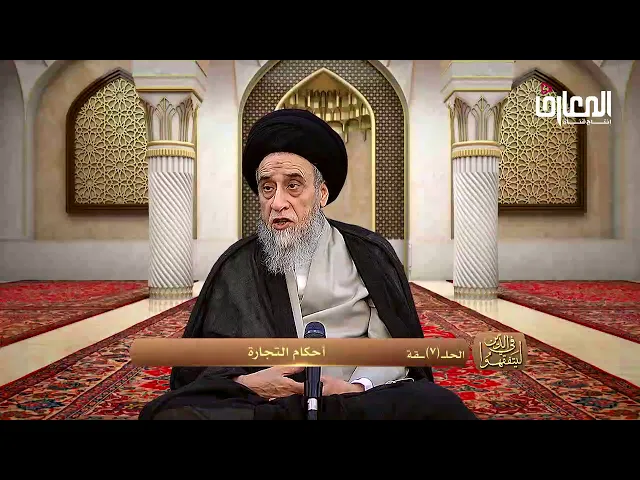
#أهل_البيت
#الفقه
#أحكام
#مسائل
#السيد_صباح_شبر

الليلة الأولى من عاشوراء 1439هـ | لبنان - النبطية
سماحة الشيخ مصطفى الموسى
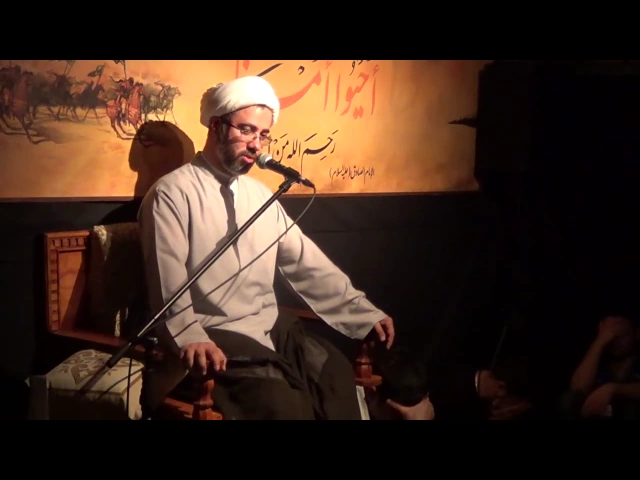
نعي وفاة أم البنين " عليها السلام "
الشيخ مصطفى الموسى
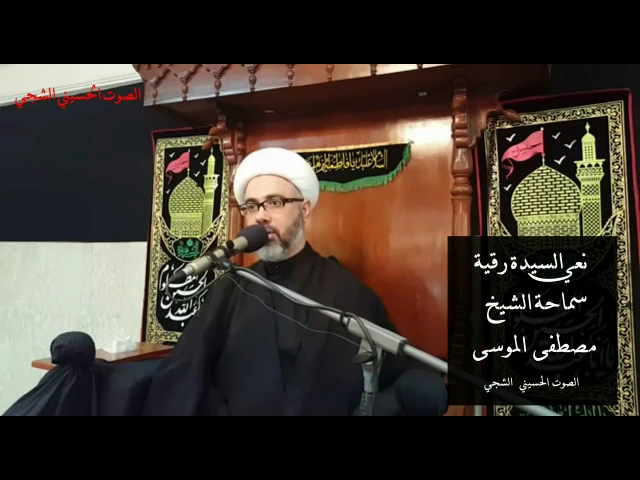
الحسينية الكاظمية " بدولة الكويت "

Shahadat of Hazrat Muslim ibn Aqeel (AS) Masaib (URDU) - Habib Mukhtarali
In Baabul Murad, August 2019

The Whispered Prayers, is a collection of 15 intimate conversations with Allah SWT and the 15 Whispered Prayers are extracted from the book of Imam Zainul Abideen A.S - known as Sahifa Sajjadiya, also known famously as the Psalms of Islam.
Munajaat means "talking" or "having a conversation". In this case, it is the intimate conversations of our Imam with his Lord. Conversing with God regularly is true spirituality, and these conversations between Imam Sajjad (as) and God will really open our eyes. Again, there are conversations for different spiritual
states, such as being fearful, hopeful and thankful. Conversing with Allah according to our current spiritual state will only serve to enhance our relationship with him. (al-islam.org)
The prayers start with 'repentance', as repentance is the first step towards a genuine communion with God.
Image (background) credit:
Instagram: www.instagram.com imam.reza.shrine/
.
https://t.me/ImamRezaEN
Orginal video: https://youtu.be/Il7HNhMH8YU

The Whispered Prayers, is a collection of 15 intimate conversations with Allah SWT and the 15 Whispered Prayers are extracted from the book of Imam Zainul Abideen A.S - known as Sahifa Sajjadiya, also known famously as the Psalms of Islam.
Munajaat means "talking" or "having a conversation". In this case, it is the intimate conversations of our Imam with his Lord. Conversing with God regularly is true spirituality, and these conversations between Imam Sajjad (as) and God will really open our eyes. Again, there are conversations for different spiritual
states, such as being fearful, hopeful and thankful. Conversing with Allah according to our current spiritual state will only serve to enhance our relationship with him. (al-islam.org)
The prayers start with 'repentance', as repentance is the first step towards a genuine communion with God.
Orginal video: https://youtu.be/aikLj4BsVkE
![[Part 1] The Importance and Merits of Dua - Habib Mukhtarali [URDU]](https://i.ytimg.com/vi_webp/vs69h3pKoPY/sddefault.webp)
Part 1 - The Importance and Merits of Dua - Habib Mukhtarali with Urdu commentary
In order for man to come close to Allah SWT, to gain spiritual peace of mind, to attain ethical values, to stay away from sins, to cleanse mental disturbances, to avoid Satan’s temptations, to strengthen his intelligence and cognitive powers, and to satisfy his physical and mental needs, he needs to worship God. For this very reason, the major part of the Prophet’s educational programs in general and the Prophet of Islam’s program in particular consists of teaching people to carry out prayers and supplication.
Our Holy Prophet (SAW) and our Imams (AS) have described supplication as the believer’s weapon, the pillar of the religion, the light of the skies and the earth and most importantly, it is the most beloved deed towards Allah SWT.
ـ الإمامُ عليٌّ (عَلَيهِ الّسَلامُ): أحَبُّ الأعمالِ إلى اللّهِ عزّوجلّ فِي الأرضِ الدُّعاءُ.
Imam Ali (AS) said, ‘The most beloved action on this earth with Allah - Mighty and Exalted - is supplication.’ [al-Kafi, v. 2, p. 467, no. 8]
Hence our Imams have established various supplications that are found in Sahifa Alawiya (from Imam Ali A.S), Sahifa Sajjadiyya (of Imam Zainul Abideen A.S) and Sahifa Mahdawiyah (of Imam Mahdi A.S). Our Imams (A.S) have taught us the fundamental steps and words on how to supplicate and beseech to Allah SWT.
This topic overall includes 4 parts, which mentions about Importance and Merits of Dua, the etiquettes and conditions for the acceptance of Dua, and special time, place and situation of Dua, all in Urdu with Arabic references. Insha'Allah, the videos and information will be useful for those wishing to improve their connection with Allah (SWT), especially in the Holy Month of Ramadhan.
![Be the best for Imam Mahdi! - Sheikh Alihussein Datoo [ENG SUBS]](https://i.ytimg.com/vi_webp/EMPjkIkWYsA/sddefault.webp)
- Sheikh Alihussein Datoo (with English SUBS)
One of the most important things we need to do during the period of Ghaibah (occultation) is to make our best effort to become the best people we can be. We cannot be receptive to the Imam (AS) if our hearts are not pure. We should, at the very least, do our best to stay away from committing sins. If our hearts are not sincere, we will not be worthy of our Imam’s (AS) service, nor will he accept it from us if we are filled with sins and unable to receive his teachings.
![Dua Kumayl - Murtada Qurish دعاء كميل - مرتضى قريش [ENG]](https://i.ytimg.com/vi_webp/YHEtmmWyrrA/sddefault.webp)
دعاء كميل - القارئ مرتضى قريش
Dua Kumayl - Brother Murtada Qurish with English Subtitles
New Video with a bigger text format.
Kumayl Ibn Ziyad was a prominent companion of Ameer al Mo'mineen, Imam Ali Ibn Abi Talib (as.) and this sublime Dua was first heard from the beautiful, though anguished, voice of Imam Ali.
According to Allama Majlisi, Kumayl had attended an assembly in the Mosque at Basra which was addressed by Imam Ali in which the night of the 15th of Shaban was mentioned. Imam Ali said- "Whosoever keeps awake in devoutness on this night (15th Shaban) and recites the Dua of Prophet Khizr, undoubtedly that person's supplication will be responded to and granted."
When the assembly at the Mosque had dispersed, Kumayl called at the house where Imam Ali was staying, and requested him to inform him of Prophet Khizr's Dua. Imam Ali asked Kumayl to sit down, record and memorise the Dua which Imam Ali dictated to Kumayl.
Imam Ali then advised Kumayl to recite this Dua on the eve of (i.e. evening preceding) every Friday, or once a month or at least once in every year so that, added Imam Ali,
"Allah may protect you from the evils of the enemies and the plots contrived by impostors. O' Kumayl! in consideration of your companionship and understanding, I grant you this honour of entrusting this Dua to you."
(Source: http://www.qul.org.au/library/duas-su...)
Permission granted by حملة الإيمان
- https://youtu.be/wp2EMaUDwtA
Commentary of the Dua Kumayl by Shaykh Husayn Ansariyan:
https://www.al-islam.org/printpdf/boo...